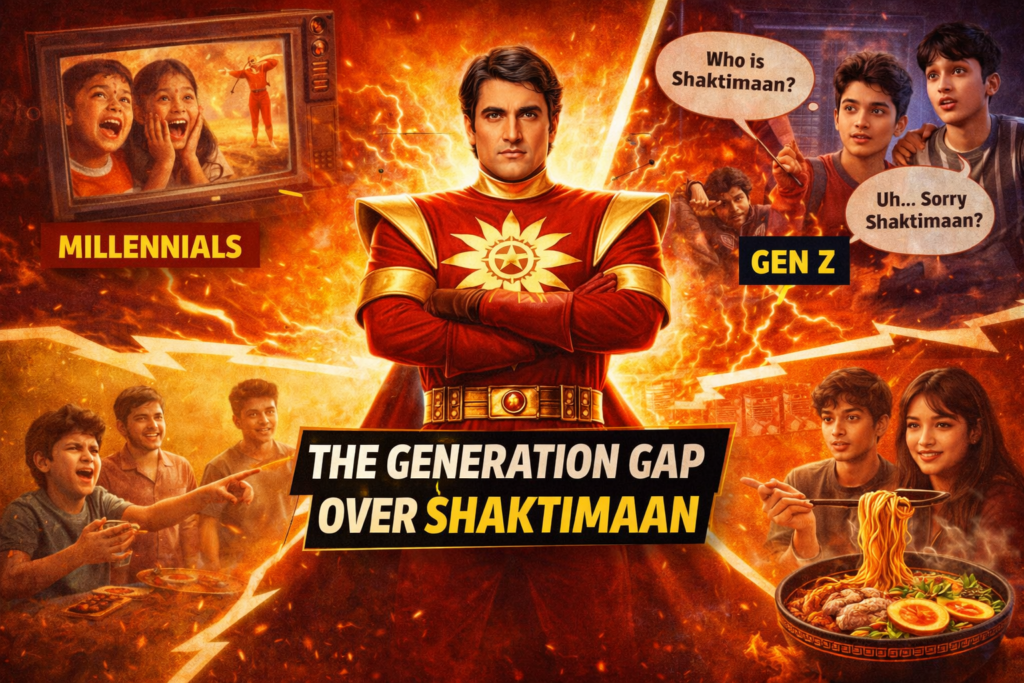
Short answer: Older Gen Z (born ~1997–2003) remembers Shaktimaan from reruns and dialogues like “Sorry Shaktimaan”, but younger Gen Z (born ~2004–2012) mostly knows him through Instagram reels and memes. The Youth Talks spoke to over 80 Gen Z individuals in Indore and Jaipur, and the verdict is clear: India’s first superhero, played by Mukesh Khanna, is not forgotten, but not fully remembered either.
Do young Indians still know Shaktimaan?
Once, Sunday mornings in India followed a ritual. TV sets switched on, kids gathered, and within minutes a man in a red-and-gold suit spun across the screen.
For Millennials, Shaktimaan wasn’t just a superhero. He was the superhero. Walk into a college campus today and ask Gen Z the same question, “Do you know Shaktimaan?”, and the answers get complicated.
What did Gen Z tell The Youth Talks?
To understand how deeply Shaktimaan exists in today’s youth culture, The Youth Talks spoke with over 80 Gen Z individuals across cities like Indore and Jaipur, spanning schools, colleges and early workplaces.
The responses revealed a fascinating generational split.
A 22-year-old student from Indore lit up when Shaktimaan was mentioned: “I used to watch reruns after school. That ‘Sorry Shaktimaan’ line? Iconic. My parents still joke about it,” he said, laughing.
But a 17-year-old from Jaipur offered a very different perspective: “I think I’ve seen him in memes. Was he like India’s version of Superman or something?”
Another respondent from Indore added, “I know the name, but I’ve never actually watched the show. My older cousins talk about it more than I do.”
These voices point to a clear pattern: Shaktimaan hasn’t disappeared. He’s just unevenly remembered.
Who was Shaktimaan and when did the show air?
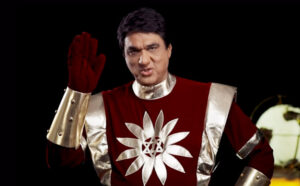
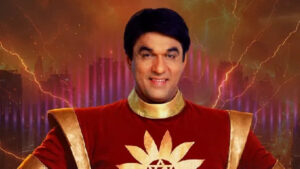
Shaktimaan was India’s first major homegrown superhero TV series, airing in the late 1990s and early 2000s. Portrayed by Mukesh Khanna, the character stood for truth, discipline and moral integrity. Unlike many modern superheroes, he didn’t just fight villains. He educated viewers, with episodes often ending in direct messages to children about honesty, kindness and responsibility.
At its peak, the show was watched by millions across the country, making it one of India’s earliest examples of mass superhero storytelling.
How does age shape Gen Z’s relationship with Shaktimaan?
Gen Z’s relationship with Shaktimaan isn’t uniform. It depends largely on age.
Older Gen Z (born ~1997–2003)
This group sits at the tail end of Shaktimaan’s cultural relevance. Many of them watched reruns on television, recognise iconic dialogues, and feel a sense of nostalgia.
A Jaipur-based MBA student shared, “We didn’t grow up fully in that era, but it was still around. It feels like a distant memory, familiar but not central.”
For them, Shaktimaan is remembered, but not revisited.
Younger Gen Z (born ~2004–2012)
Here, the disconnect becomes more pronounced. Most younger Gen Z individuals haven’t watched the original show, recognise Shaktimaan through memes or references, and lack an emotional connection.
A school student from Indore put it simply: “I’ve seen reels where he spins. That’s about it.”
For this group, Shaktimaan is less a character and more a cultural artefact.
How did Shaktimaan go from hero to hashtag?
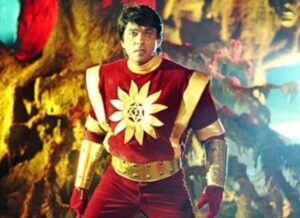
Shaktimaan hasn’t vanished. He has evolved. Clips resurface on Instagram reels, YouTube nostalgia edits and meme pages, but the context has changed. These clips are now viewed through humour, irony or nostalgia rather than storytelling.
A Jaipur-based content creator noted, “It’s funny because I didn’t grow up watching him, but I still use Shaktimaan memes. It’s like cultural shorthand now.”
Why does Shaktimaan feel dated to global superhero fans?
To understand the gap, look at what Gen Z grew up with. Unlike previous generations, they had access to Hollywood superhero franchises, high-quality visual effects, complex character arcs, and anime and global storytelling.
Their expectations are shaped by scale and sophistication. In comparison, Shaktimaan can feel outdated in production and narrative depth. That doesn’t diminish his legacy, but it does explain the disconnect.
Why didn’t Shaktimaan stay relevant?
One major reason is a lack of reinvention. Global superheroes thrive because they evolve: they get reboots, adapt to modern audiences, and stay visible. Shaktimaan, on the other hand, remained tied to a specific era.
While there have been occasional discussions about revivals, none have successfully reintroduced the character to a new generation in a meaningful way. In today’s fast-paced content landscape, absence quickly turns into obscurity.
What do Gen Z’s cultural expectations look like today?
This conversation goes beyond nostalgia. It reflects a broader cultural shift.
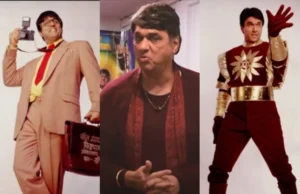
Shaktimaan represented clear moral binaries, simple storytelling and a distinctly Indian narrative. Gen Z gravitates toward grey characters, complex motivations, and global influences.
An Indore-based media student explained it well: “We don’t just want heroes who are good. We want characters who are real, flawed, and evolving.”
That difference in expectation shapes how older content is perceived.
Can a Shaktimaan reboot work for Gen Z?
Despite the gaps, curiosity still exists. When younger Gen Z individuals are introduced to the concept of Shaktimaan, many find it intriguing. But curiosity alone isn’t enough.
A successful revival would require strong, modern storytelling, updated visuals and production quality, a more layered character, and relevance to contemporary issues. Shaktimaan would need to evolve, not just visually, but philosophically.
Where does Shaktimaan stand today?
So where does Shaktimaan stand in 2026?
- Recognised by older Gen Z
- Vaguely known by younger Gen Z
- Rarely followed actively
He exists, but on the margins. Not forgotten, but not fully alive in popular culture either.
What is the bigger cultural insight?
The lesson is this: legacy alone does not guarantee relevance. Every generation rewrites its own cultural icons. Gen Z doesn’t reject the past. They reinterpret it.
A hero in waiting
Shaktimaan today is neither fully forgotten nor fully remembered. He exists in fragments: a memory for some, a meme for others, a curiosity for many.
Gen Z loves rediscovery, but only when it feels fresh, authentic and relevant. So maybe the real question isn’t “Does Gen Z know Shaktimaan?” Maybe it’s “Is Shaktimaan ready to be known again?”
If the answer is yes, then India’s first superhero hasn’t taken his final flight yet. He’s waiting for the right comeback.
FAQs about Shaktimaan and Gen Z
Who played Shaktimaan and when did the show air?
Shaktimaan was played by Mukesh Khanna and aired in the late 1990s and early 2000s. It was India’s first major homegrown superhero television series and reached millions of viewers at its peak.
Does Gen Z in India know Shaktimaan?
Partially. The Youth Talks spoke to over 80 Gen Z individuals in Indore and Jaipur. Older Gen Z (born ~1997–2003) remembers reruns and dialogues, while younger Gen Z (born ~2004–2012) mostly knows him through Instagram reels and memes rather than the original episodes.
Why isn’t Shaktimaan as popular as Marvel heroes with Gen Z?
Gen Z grew up with Hollywood franchises, anime and complex character arcs. Shaktimaan offered clear moral binaries and simpler storytelling, which can feel dated next to global standards, even though his legacy is significant.
Can Shaktimaan make a comeback?
A revival would need modern storytelling, updated visuals, a more layered character and relevance to contemporary issues. Curiosity exists among younger Gen Z, but the character would need to evolve philosophically, not just visually.
Why do Shaktimaan memes still work on Instagram?
Clips from the original show resurface as nostalgia edits and memes on Instagram reels, YouTube and meme pages. Even Gen Z users who never watched the original treat these clips as cultural shorthand, which is how legacy content survives in a meme-first ecosystem.