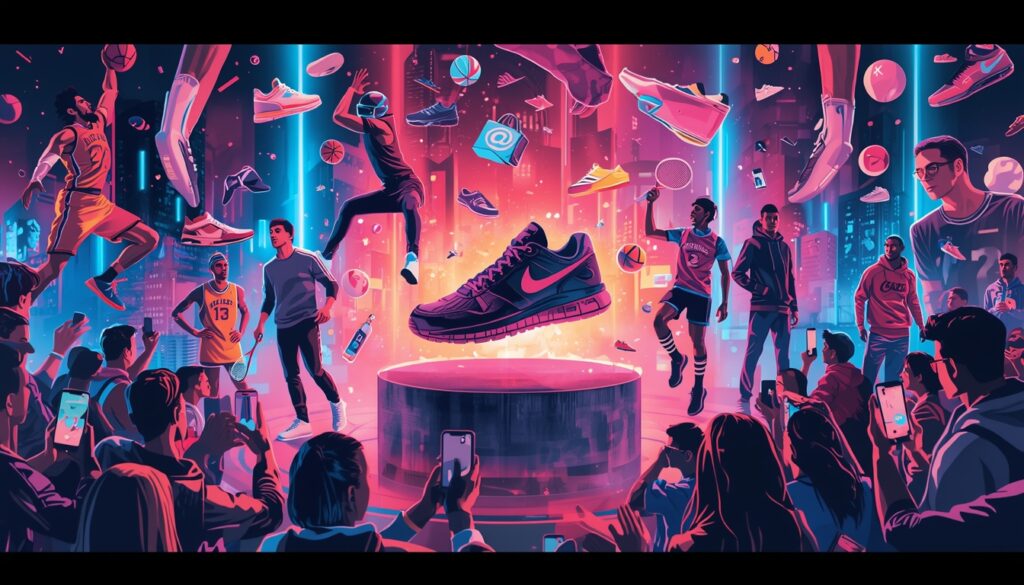
Short answer: Five global athlete brand collaborations have reshaped how Gen-Z spends: Michael Jordan’s Air Jordan with Nike (over $5 billion a year), Cristiano Ronaldo’s $1 billion lifetime Nike deal and CR7 line, LeBron James’ billion-dollar Nike contract, Naomi Osaka’s crossover into Louis Vuitton, and Lionel Messi’s long-running Adidas partnership. The pattern: culture, not ads.
For decades, brands have partnered with athletes to sell products. Something profound has changed in the past twenty years, especially with the rise of Gen-Z consumers.
Younger audiences aren’t easily persuaded by traditional advertising. They distrust overly polished commercials and often skip ads entirely. Yet they enthusiastically buy products connected to athletes they admire. Why? Because these partnerships no longer feel like advertisements. They feel like culture.
A pair of sneakers worn by a basketball legend. An athleisure collection created by a cricket superstar. A luxury campaign fronted by a tennis champion known for her activism. These collaborations blend performance, personality, and lifestyle into something far bigger than marketing.
According to a 2023 report by Nielsen Sports, athletes with strong social followings can generate up to 4x higher engagement rates than traditional celebrity endorsers. For Gen-Z, the athlete is not a spokesperson; they are a brand storyteller, cultural icon, and sometimes a co-founder.
In this article, we explore ten athlete brand collaborations, five global and five Indian, that generated enormous demand among younger consumers. Some built billion-dollar businesses. Others reshaped how brands think about influence, authenticity, and product creation.
Before the examples, understand one thing: the most successful partnerships share a common principle. They are not endorsements. They are collaborations that create culture.
How did athlete marketing evolve from endorsement to culture?
From endorsement deals to cultural products
Historically, athletes appeared in advertisements. Their role was straightforward: lend credibility to a product.
Today, collaborations look very different.
Athletes now help design products, launch collections, and influence brand narratives. The result is something more powerful than advertising: a product that carries the athlete’s identity.
This matters for Gen-Z consumers. A study by Morning Consult found that over 60% of Gen-Z buyers prefer brands associated with personalities they admire.
When the connection feels authentic, buying the product becomes a way of expressing identity. A sneaker is no longer footwear. It becomes a symbol of belonging.
Which global athlete brand collaborations shaped Gen-Z culture?
Why is the Air Jordan phenomenon still driving Gen-Z sales?
You cannot talk about athlete marketing without mentioning Michael Jordan and Nike.
Their partnership created Air Jordan, arguably the most successful athlete-driven product line in history.
When the first Air Jordan sneakers launched in 1985, Nike expected modest success. Instead, the shoes generated $70 million in sales within the first year, dramatically exceeding projections.
Fast forward to today, and Jordan Brand generates over $5 billion annually, according to corporate reports.
Why does Gen-Z still buy Air Jordans decades after Jordan retired?
The answer sits in sneaker culture. Limited releases, celebrity collaborations, and resale markets have turned the shoes into collectibles. Owning a pair feels like owning a piece of cultural history.
I once stood in line outside a sneaker store during a major drop. Teenagers, college students, and even professionals waited for hours. Some intended to wear the sneakers. Others planned to resell them for profit. Either way, the demand was electric.
That is the power of a collaboration that moves past sport.
How did Cristiano Ronaldo build the CR7 lifestyle brand?
Few athletes command global influence like Cristiano Ronaldo.
His partnership with Nike reportedly includes a lifetime deal worth around $1 billion, making it one of the most valuable athlete contracts ever signed.
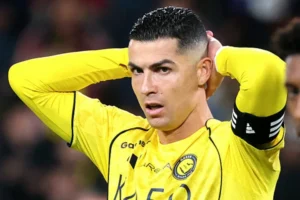
The collaboration created the CR7 product line, which includes footwear, apparel, and lifestyle products.
The real secret behind its success is Ronaldo’s digital reach. With hundreds of millions of social media followers, he is one of the most influential personalities on the internet.
For Gen-Z fans, buying CR7 products is not about sport. It represents the Ronaldo lifestyle: discipline, fitness, and ambition.
In an age where personal branding matters more than ever, Ronaldo’s image acts as a powerful consumer magnet.
How did LeBron James turn his sneaker line into a billion-dollar legacy?
Another iconic partnership runs between LeBron James and Nike.
LeBron signed a lifetime contract with the company, reportedly worth more than $1 billion. His signature sneaker line consistently ranks among the best-selling basketball shoes worldwide.
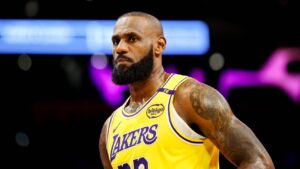
The collaboration’s influence stretches beyond sport.
LeBron has positioned himself at the intersection of basketball, entertainment, and activism. Through film production, gaming partnerships, and social initiatives, he has built a multi-dimensional brand identity.
Young consumers admire that versatility.
As a result, LeBron sneakers often sell out quickly during limited releases, especially among sneaker collectors and basketball enthusiasts.
How did Naomi Osaka bridge sport and luxury?
While many athlete partnerships focus on sportswear, some cross categories.
One compelling example is Naomi Osaka collaborating with Louis Vuitton and Nike.
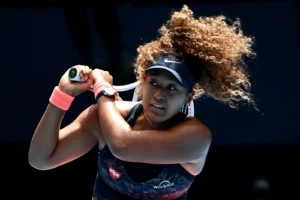
Osaka’s appeal lies in her authenticity. She speaks openly about mental health, social justice, and cultural identity, topics that resonate strongly with younger audiences.
When she appeared in Louis Vuitton campaigns, it signalled something larger: the merging of sport and high fashion.
For Gen-Z consumers, who reject rigid boundaries between lifestyle categories, this crossover feels natural.
Athletes are no longer confined to sports brands. They are cultural icons shaping everything from fashion to politics.
Why is Lionel Messi’s Adidas partnership still a fan favourite?
Football legend Lionel Messi has maintained a long-standing relationship with Adidas.
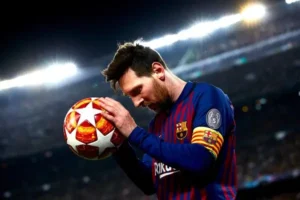
His signature boots and apparel collections remain among the brand’s most popular football products globally.
Messi’s appeal lies in a rare combination: extraordinary talent paired with humility. Fans see him not just as a champion but as someone who embodies dedication and excellence.
When young football players wear Messi boots, they are symbolically stepping into the shoes of their hero.
That emotional connection drives purchasing behaviour far more effectively than conventional advertising.
FAQs on global athlete brand collaborations
How much money does Jordan Brand make every year?
Jordan Brand generates over $5 billion annually, according to corporate reports. The first Air Jordan sneakers launched in 1985 and did $70 million in sales within the first year, far above Nike’s initial projections.
How big is Cristiano Ronaldo’s Nike deal?
Cristiano Ronaldo’s partnership with Nike reportedly includes a lifetime deal worth around $1 billion, one of the most valuable athlete contracts ever signed. It also powers the CR7 product line of footwear, apparel, and lifestyle items.
Why does Gen-Z care about athlete endorsements?
A Morning Consult study found over 60% of Gen-Z buyers prefer brands associated with personalities they admire. A Nielsen Sports 2023 report also found athletes with strong social followings can drive up to 4x higher engagement than standard celebrity endorsers.
What makes Naomi Osaka’s Louis Vuitton campaign different?
Osaka’s campaign signalled the merging of sport and luxury fashion. Her openness about mental health, social justice, and cultural identity made the crossover feel authentic rather than transactional for younger buyers.
Why do young football fans buy Messi boots from Adidas?
Messi boots are among Adidas’ most popular football products globally. Fans combine admiration for Messi’s talent and humility with the symbolic act of wearing his signature gear, which drives purchases more effectively than traditional advertising.