

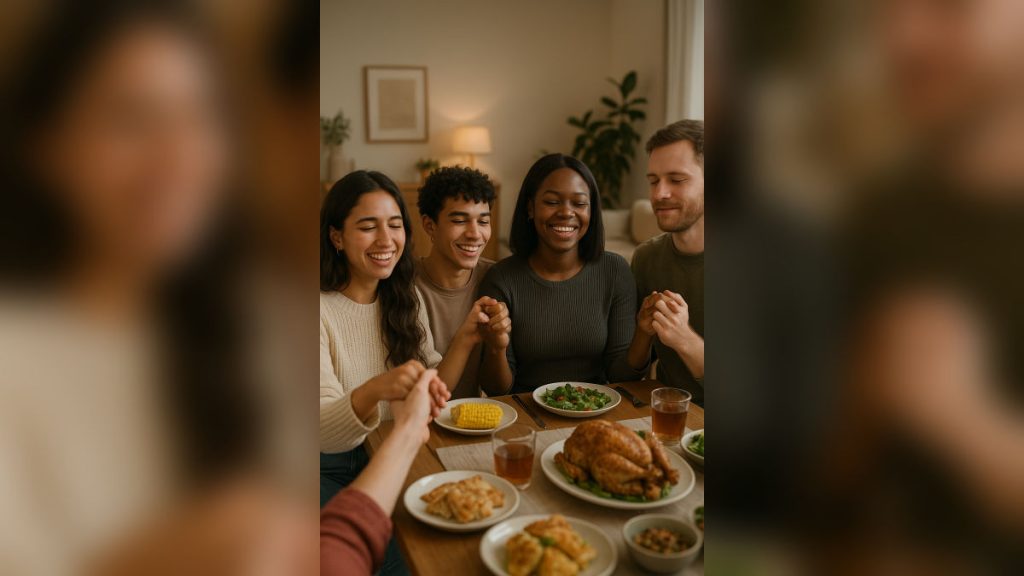
Short answer: Gen Z creates meaningful traditions by prioritising shared experiences over things (78% prefer this per a 2023 Eventbrite survey), grounding rituals in authenticity and emotional honesty, leaving room for creativity, and weaving in sustainability. Reflection bonfires, midnight check-ins and zero-waste gatherings work better than inherited formal rituals.
Traditions usually arrive as inheritance, birthdays, holidays, festivals, family dinners passed down through generations. For Gen Z, a generation known for questioning norms, championing individuality, and chasing purpose, tradition needs a rethink. What does it mean to create traditions that don’t just repeat the past, but resonate with the present?
If there’s one thing Gen Z values consistently, it’s meaning. A digital detox dinner with friends. An annual volunteer day at a local shelter. Empty gestures don’t move them. They want experiences that foster connection, reflect their values, and leave a real mark.
Here’s how we can create traditions that actually matter to Gen Z audiences.
Why does Gen Z prefer shared experiences over things?
Gen Z isn’t obsessed with possessions. They’re obsessed with presence. According to a 2023 Eventbrite survey, 78% of Gen Z prefer spending money on experiences over things. That shift, from materialism to memory-making, sits at the heart of meaningful traditions for this generation.
Make it about connection
Gone are the days of formal dinner parties. Today it’s about casual get-togethers that create space for real conversation and shared laughter. Backyard potlucks, cosy movie nights, spontaneous group walks. Simplicity and sincerity, that’s the key.
“Every December, my friends and I host a ‘reflection bonfire’ where we each share our highs and lows from the year. No pressure, just honesty. It’s become the thing I look forward to most,” says Tanya, 22, from Pune.
Embrace themes and play
Gen Z loves a twist. Give them a theme and they’ll run with it. PowerPoint parties (where everyone presents on a silly topic), “white lie” t-shirts, or Y2K-themed karaoke nights turn routine hangouts into something unforgettable. These themed traditions tap into Gen Z’s love of creativity, humour, and low-stakes fun.
Why is authenticity the new luxury for Gen Z?
If there’s one thing Gen Z can smell from a mile away, it’s pretense. They aren’t interested in performative rituals or curated perfection. For traditions to stick, they have to feel genuine, vulnerable, and inclusive.
Create space for openness
A successful Gen Z tradition makes people feel seen. Sharing letters of gratitude, setting intentions for the new year, or just checking in on each other’s mental health, vulnerability is welcomed. Not avoided.
This generation is more vocal about emotional well-being than any before it. According to a 2022 McKinsey report, Gen Z places high importance on transparency, emotional honesty and psychological safety in relationships and workplaces alike. So why not extend that ethos into traditions?
“We have a group called ‘Midnight Check-in.’ It’s just a video call we do once a month, no cameras required. We talk about how we’re really doing. It started during lockdown but we’ve kept it going,” shares Ayan, 19, a college student in Mumbai.
Tie it to purpose
Traditions with a cause? Yes, please. An annual beach cleanup, a fundraiser on your birthday, a group donation drive during Diwali, Gen Z wants traditions to reflect their social consciousness. This generation isn’t content with just good vibes. They want to do good, too.
How can creativity lead Gen Z traditions?
Creativity isn’t just a hobby for Gen Z. It’s a language. From TikTok edits to handmade gifts, they find joy in making things uniquely their own. The best traditions leave room for self-expression, even within a group framework.
Encourage individual touches
Take a shared meal tradition. Instead of assigning dishes, ask each person to bring something tied to their identity, a dish from their hometown, a snack with a story. Suddenly, dinner becomes a tapestry of shared backgrounds. Or try this: during group celebrations, swap store-bought gifts for handmade tokens or personalised notes. Small gestures, rich in meaning, and they make everyone feel involved.
Make it digital (in a good way)
For digital natives, online tools aren’t distractions. They’re amplifiers. Use platforms to enhance the tradition rather than replace it. Collaborative Spotify playlists, shared Google albums, or annual Instagram reels of your tradition’s highlights make it more memorable and accessible.
Why is sustainability integral to Gen Z traditions?
Gen Z is deeply aware of the world’s challenges, particularly the climate crisis. According to a 2023 Pew Research study, over 70% of Gen Z are worried about the environment and actively seek ways to reduce their impact. Any tradition that ignores this priority risks feeling out of touch.
Build with intent
Use biodegradable decorations. Ditch single-use plastics. Shop local. Instead of exchanging fast fashion gifts, organise a thrift swap or plant trees together. Even simple choices, like serving plant-based meals, signal care and consciousness.
“For our friend group’s annual ‘New Year Chill,’ we do everything zero-waste. We bring our own plates, upcycle our decor, and cook a one-pot vegan meal. It’s honestly more fun this way,” says Sneha, 20, from Delhi.
Align with ethical causes
Want to push it further? Support businesses or initiatives that reflect your values. Your tradition could include purchasing only from sustainable brands or collaborating with local artisans for gifts and experiences.
That layer of ethical awareness doesn’t just make traditions more impactful, it makes them more meaningful.
Final thoughts: tradition as a living, breathing practice
The truth is, traditions don’t need to be ancient to be powerful. They just need to feel true. For Gen Z, the traditions that matter are the ones created with intention, that evolve with their values, and foster real connection. They aren’t interested in repeating rituals for the sake of it. They want to make new ones that reflect who they are and who they’re becoming.
And maybe that’s what makes Gen Z so special, not just their desire to belong, but their insistence on belonging to something real.
FAQs about Gen Z traditions that matter
What kind of traditions actually resonate with Gen Z?
The traditions that stick with Gen Z prioritise shared experiences over possessions, leave space for emotional honesty, allow for creativity and individual expression, and incorporate sustainability. Examples include reflection bonfires, monthly mental health check-in calls, themed PowerPoint parties and zero-waste annual gatherings.
Why do Gen Z prefer experiences over material gifts?
According to a 2023 Eventbrite survey, 78% of Gen Z prefer spending money on experiences over things. The shift is driven by a hunger for meaning, presence and shared memory-making, paired with awareness of consumption’s environmental cost backed by Pew Research data showing over 70% of Gen Z worry about the environment.
How do you start a new tradition with friends?
Start small and intentional. Pick a recurring window (monthly, annual, end-of-year), give it a low-pressure structure, and anchor it in either honest conversation, a shared activity, or a cause. The Pune “reflection bonfire” and Mumbai’s “Midnight Check-in” both began as informal ideas and stuck because they felt genuine, not staged.
What makes a tradition feel authentic to Gen Z?
Authenticity for Gen Z means vulnerability, inclusion and zero pretense. According to a 2022 McKinsey report, this generation prizes transparency, emotional honesty and psychological safety. Traditions that make space for real check-ins, identity sharing or social impact tend to feel authentic, while overly curated or performative rituals fall flat.
How can traditions be made sustainable?
Use biodegradable decorations, ditch single-use plastics, shop local, organise thrift swaps instead of fast fashion gifting, and serve plant-based meals. The Delhi-based “New Year Chill” group runs everything zero-waste, bringing their own plates, upcycling decor and cooking one-pot vegan meals.