
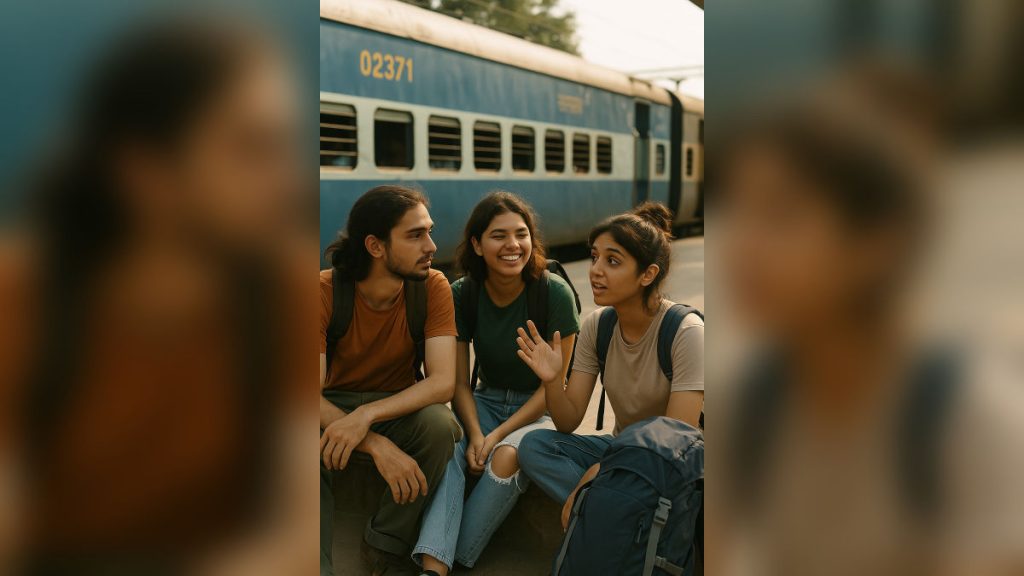
Short answer: You can absolutely travel cheap in India as a broke Gen Z. Stick to IRCTC sleeper class (₹300-₹600), use Zostel / goSTOPS / The Hosteller (₹300-₹500 a night), trade skills for stays through Worldpackers and Workaway, hunt off-season fares, and pick India over Southeast Asia until your wallet catches up.
For many Indian Gen Zers, travel feels like a luxury reserved for the rich, the influencers, or the people with six-figure salaries. When you’re barely affording Maggi at midnight, have a student loan haunting your UPI reminders, or are stuck in a dead-end job paying peanuts, the idea of hopping on a bus to Himachal or catching a flight to Sri Lanka can feel laughably distant.
Truth bomb. Being broke might actually be the best time to travel. And no, this isn’t clickbait optimism. It’s real. Many budget travellers and digital nomads began their journey from rock bottom, with nothing but a backpack, a Google Doc of ideas and a whole lot of hustle.
If you’re young, broke and Indian but still itching to explore, here’s the no-nonsense guide to travelling without burning your wallet.
Why travel when you’re broke? Because you’ve got nothing to lose
Janis Joplin famously sang, “Freedom is just another word for nothing left to lose.” When you’re scraping by, the fear of change shrinks. There’s no mortgage, no car EMI, no golden handcuffs of a fancy corporate job holding you back.
You can afford to take risks. You should take risks. Whether you’re a recent grad working a call-centre job or a frustrated designer freelancing from your cousin’s dining table, this is your moment. You don’t need to wait till you “have enough.” Get scrappy, start now.
1. Travel local, think global
Good news. India is ridiculously diverse, culturally, geographically and spiritually. Want beaches? There’s Gokarna. Mountains? Try Bir or Tirthan instead of the Instagram-saturated Manali. History and architecture? Walk through Hampi or Orchha.
Budget hack:
- Use IRCTC’s sleeper class (₹300-₹600 for long-distance travel).
- For buses, apps like RedBus and AbhiBus often offer 20-30% student discounts.
- Explore “off-season” periods. You’ll dodge both the crowds and the inflated rates.
2. Hostels over hotels – always
Skip the overpriced OYOs and homestays. The backpacker hostel culture in India is booming, and it’s tailor-made for broke Gen Z explorers. You can find a clean bed, Wi-Fi, community meals and new friends for as low as ₹300-₹500 per night.
Top picks:
- Zostel, goSTOPS and The Hosteller are reliable.
- Many hostels run work-exchange programs: volunteer 3-4 hours a day and stay for free.
Bonus. You’ll often meet fellow travellers who’ll split cabs or invite you on spontaneous trips.
3. Can you use work to fund your wandering?
No savings? No problem. There’s a growing ecosystem of gig work and volunteering opportunities you can tap into to fund your travels.
Try these:
- Worldpackers / Workaway: Offer your skills (writing, photography, yoga, social media) in exchange for free food and stay.
- Teach English Online: Platforms like Cambly or Preply pay you to talk in English. Perfect side hustle if you’re fluent.
- Farm Work or Volunteering: Head to Sikkim, Auroville, or Himachal. Many organic farms offer stays in return for a few hours of work each day.
- Freelance: Content writing, design, tutoring, coding – whatever your skill, sites like Upwork, Fiverr or Internshala can help you monetise it.
4. Leverage your Indian superpowers
If you’re Indian, you’ve already got advantages:
- Low-cost living: Meals for ₹80, intercity buses for ₹200, chai for ₹10. You can stretch ₹5,000 over a week if you plan smart.
- Languages: Hindi, English and a few regional dialects? That makes you employable and relatable almost anywhere in the country.
- Frugal upbringing: We’ve all done the ₹99-mall-shirt hustle and survived college on ₹50-a-day budgets. You know how to stretch a rupee.
5. Hack your daily expenses
- Cook instead of eating out: Many hostels have shared kitchens. Buying ₹100 worth of groceries beats café meals.
- Carry a refillable water bottle: Saves money, cuts plastic.
- Use public transport: Autos and cabs bleed you dry. Take local buses or metro trains. You’ll save money and get a more authentic feel of the place.
6. Start small, dream big
Your first trip doesn’t need to be a month-long backpacking trip across the Northeast. It can be a weekend trek to Rajmachi, a solo train trip to Jaipur, or a low-cost music festival in Pune. The goal isn’t Instagram-perfect trips. It’s growth. Experience. Perspective. Once you start, you build confidence, and longer journeys stop feeling far-fetched.
7. Side hustles on the go
Want extra cash while exploring?
- Busk (if you’ve got a talent): Play guitar, sing, do magic – many tourist towns welcome street performances.
- Start a blog or vlog: Even if you don’t go viral, you’ll document your journey, and possibly land sponsorships or freelance gigs.
- Offer travel photography: Got a decent phone and a good eye? Click photos for other travellers or hostel guests in exchange for tips.
8. Flip the script on “security”
Many of us are told to wait until we’re “settled” before travelling. But let’s be honest, settling down is a moving goalpost. First job, then marriage, then EMIs, then kids. When does it actually end?
In reality, the most secure thing you can do is build confidence in your ability to adapt anywhere. That’s what travel teaches. Independence, resourcefulness, human connection and courage. Skills far more valuable than any 9-6 grind.
Real stories, real vibes
Take Ankita, a 23-year-old from Kolkata, who taught yoga in Varkala for six months in exchange for food and a hut by the sea. Or Rahul, who worked at a café in Bir while writing his novel. Or Mehul, who couch-surfed across North India while making a mini-documentary series on local artisans.
They weren’t rich. They were just willing.
Final thoughts: don’t wait, wander
Travelling while broke isn’t easy, but it’s absolutely doable. It demands hustle, resilience and a willingness to embrace discomfort. In return, you get memories that last a lifetime, connections that shape your future and an unshakable sense of confidence. So if you’re reading this from your dorm room, a dull office cubicle, or a chaotic family WhatsApp group where dreams get drowned, this is your sign.
Don’t wait till life settles. It rarely does. Pack your bags, book that sleeper class ticket, and just go. The road is waiting, and you’ve got nothing to lose but regret.
FAQs about travelling cheap in India
What is the cheapest way to travel long distance in India?
IRCTC sleeper-class trains, at ₹300-₹600 for most long routes. Pair them with hostel stays at Zostel, goSTOPS or The Hosteller (₹300-₹500 a night) and you can cover most of the country on a tiny budget.
Can you travel for free in India through work exchange?
Yes. Platforms like Worldpackers and Workaway match volunteers with hostels, farms and yoga retreats – typically 3-4 hours of skill-based work a day in exchange for stay and food. Many Indian hostels also run their own informal work-trade programs.
How much money do you need for a week of budget travel in India?
Roughly ₹5,000 a week is doable if you cook your own meals, take sleeper trains and stay in hostel dorms. Hill stations and tourist towns can cost more in peak season, so off-season travel is the cheat code.
What are the best apps and platforms for cheap travel in India?
RedBus and AbhiBus for buses (with student discounts), IRCTC for trains, Zostel / goSTOPS / The Hosteller for hostels, Worldpackers and Workaway for work-exchange stays, and Cambly or Preply for online English-teaching gigs that fund the road.