
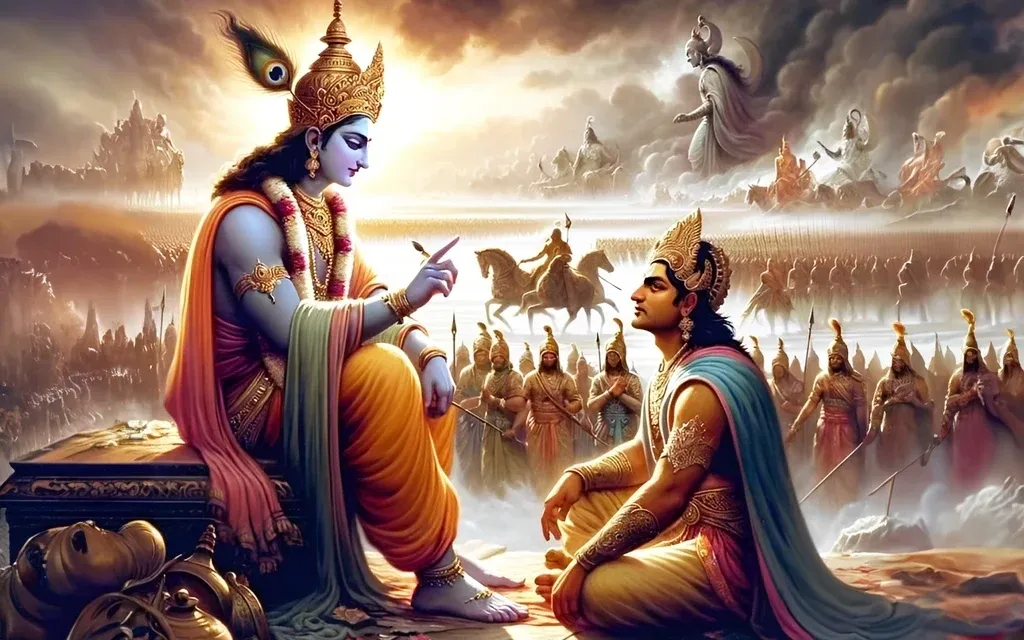
Short answer: Indian mythology and Gen Z aren’t strangers anymore. Lockdown reruns of Ramayana and Mahabharata on Doordarshan pulled in over 77 million viewers per episode (BARC India), and a generation raised on Netflix found itself quoting Krishna in reels. Mythology isn’t religion alone for them, it’s philosophy, debate and emotional toolkit.
Scroll through social media today and you’ll trip over a witty meme of Lord Krishna dispensing life advice, or a reel that remixes a Mahabharata line into a modern dilemma. Indian mythology, once filed away as an antiquated relic of the past, is finding new life in the hearts and minds of Gen Z. What’s even more fascinating is how this connection isn’t rooted in obligation or tradition alone, it’s blossoming organically through curiosity, cultural pride, and a healthy dose of digital creativity.
In the post-lockdown era, many young Indians began reconnecting with their roots. The reruns of Ramayana and Mahabharata during the COVID-19 lockdown weren’t just nostalgic; they sparked a cultural awakening. But how and why has mythology made such an impact on this hyper-connected generation?
Let’s dive in.
How did lockdown spark a mythology revival?

When India entered lockdown in 2020, everything paused, but something unusual happened on TV screens. Doordarshan began re-airing Ramayana and Mahabharata, and millions tuned in. According to Broadcast Audience Research Council (BARC) India, Ramayana became the world’s most-watched TV show during that period, drawing over 77 million viewers in a single episode.
Gen Z, typically more engaged with global content on Netflix and YouTube, found themselves drawn into the world of dharma, karma and divine avatars. For many, this was their first real exposure to Indian mythology outside of what they’d learned in school or absorbed during family festivals.
Interestingly, it wasn’t just passive viewing. Teens and young adults began singing the title tracks, posting reels quoting Lord Krishna, and sharing insights from the Bhagavad Gita as motivational content. Mythology had transformed from ancient scripture into a trending topic, and Gen Z was leading the conversation.
Why do these stories still resonate?

What made these stories land so hard? Relevance. The core dilemmas of Mahabharata — ethical choices, duty vs. desire, the price of ambition — are as real today as they were centuries ago. The Ramayana teaches patience, honour, sacrifice and devotion, values that echo in today’s conversations around mental health, resilience and personal growth.
Take the timeless line from Krishna in the Gita: “You have the right to perform your duties, but never to the fruits of your actions.” Young adults navigating uncertain careers and academic pressure have found new meaning in it. It offers a spiritual framework for dealing with failure, overthinking and societal expectations.
Gen Z, often stereotyped as impulsive or disconnected, has shown a remarkable capacity to draw strength and wisdom from these ancient narratives.
How is digital culture reimagining mythology?

One key reason mythology has found new life is how it’s being reinterpreted in pop culture. Social media accounts like “Sanatan Dharma Memes,” or YouTube creators doing breakdowns of the Gita in modern Hindi-English mixes, are making spirituality cool and relatable. Even fashion and music have started weaving in mythological symbols, look at the rise in youth wearing Rudraksha beads or attending Ramleela-inspired stage shows with friends.
The digital landscape, rather than diluting these stories, is democratising them. No longer confined to dusty books or formal sermons, mythology is now visual, vocal and viral.
Take, for instance, the popularity of web comics and animations explaining the backstories of lesser-known figures like Ashwatthama or Shabari. These bite-sized narratives don’t just educate, they spark curiosity and debate, two things Gen Z thrives on.
From religion to philosophy: a shift in perception
One of the biggest changes has been in how mythology is perceived. For earlier generations, it was often approached strictly through the lens of religion and ritual. Gen Z, however, tends to explore it philosophically, emotionally, and sometimes even critically.
This generation doesn’t shy away from asking tough questions: Why did Sita have to go through agnipariksha? Was Karna truly wronged by fate? They engage with mythology like a living dialogue rather than a monologue of divine authority.
This critical curiosity is healthy, it shows not just engagement but a desire to understand the nuances and grey areas. As a result, mythology becomes more than a moral compass, it’s a source of debate, personal interpretation and emotional intelligence.
Parental influence vs. self-discovery
Here’s an interesting observation. Younger kids began singing mythological songs or quoting lines from epic serials during the lockdown, and while many parents proudly shared these videos online, it raised a question: Are we helping the younger generation understand the deeper meaning behind these stories, or are we simply showcasing them for clout?
True impact doesn’t come from rote learning or forced participation, it comes from genuine interest and comprehension. The goal isn’t to turn Gen Z into blind followers of tradition but to help them absorb the values and insights in a way that resonates with their worldview.
Striking the right balance: tradition meets progress

While mythology offers timeless wisdom, not all practices from the past should be carried into the future unexamined. As the Bhagavad Gita itself emphasises, “Change is the law of the universe.” The stories are eternal, but their interpretations must evolve.
For instance, caste hierarchies, gender roles and the strict fatalism often associated with traditional readings need to be reevaluated in light of today’s values of equality, empowerment and personal agency. Gen Z, known for its progressive ideals, is well-positioned to carry forward the best parts of mythology while leaving behind the dogma.
A personal reflection

I remember watching Mahabharata with my grandfather during lockdown. What began as a nostalgic indulgence quickly turned into a nightly ritual we both looked forward to. I’d ask questions he didn’t always have answers for, and sometimes he’d pause and explain the symbolism behind a scene. It wasn’t about religion. It was about understanding who we are, and where we come from.
That simple exchange taught me that mythology isn’t just about gods and demons. It’s about humans striving for truth, making mistakes, forgiving each other, and standing by what they believe in. Isn’t that what all of us, Gen Z included, are trying to do?
Rewriting our future with ancient wisdom
The resurgence of mythology in Gen Z’s consciousness is more than a trend, it’s a testimony to the enduring power of storytelling. These ancient epics are no longer confined to temples or textbooks. They’re evolving, finding their place in the tweets, memes, reels and reflections of a generation looking for meaning in chaos.
As Gen Z continues to redefine spirituality, tradition and identity on its own terms, mythology serves not as a rulebook but as a guide. The values of courage, empathy, duty and self-awareness are as vital now as ever.
Let us not fear the past nor worship it blindly. Instead, let’s engage with it, question it, learn from it, and allow it to shape us into better versions of ourselves, just as our ancestors hoped we would.
Maybe, just maybe, the real myth is that mythology belongs to the past, when in fact, it’s helping us navigate the future.
FAQs about mythology and Gen Z
Why has mythology suddenly become popular with Gen Z?
The COVID-19 lockdown was a tipping point. Doordarshan’s reruns of Ramayana and Mahabharata drew over 77 million viewers per episode (BARC India), and a generation that grew up on Netflix discovered dharma, karma and Krishna for the first time at scale. Memes and reels did the rest.
What does Gen Z take from the Bhagavad Gita?
The line “You have the right to perform your duties, but never to the fruits of your actions” hits hard for young adults dealing with career uncertainty and academic stress. The Gita gives them a framework for handling failure, overthinking and societal pressure without spiralling.
Is Gen Z’s interest in mythology religious or philosophical?
Mostly philosophical. Earlier generations approached mythology through ritual; Gen Z explores it as a debate, asking why Sita went through agnipariksha or whether Karna was wronged by fate. It’s a living dialogue, not a monologue of divine authority.
How is mythology showing up in pop culture?
Through meme accounts like “Sanatan Dharma Memes,” YouTube breakdowns of the Gita, fashion drops featuring Rudraksha beads, and Ramleela-inspired theatre. Web comics about lesser-known figures like Ashwatthama and Shabari are also pulling young readers in.