

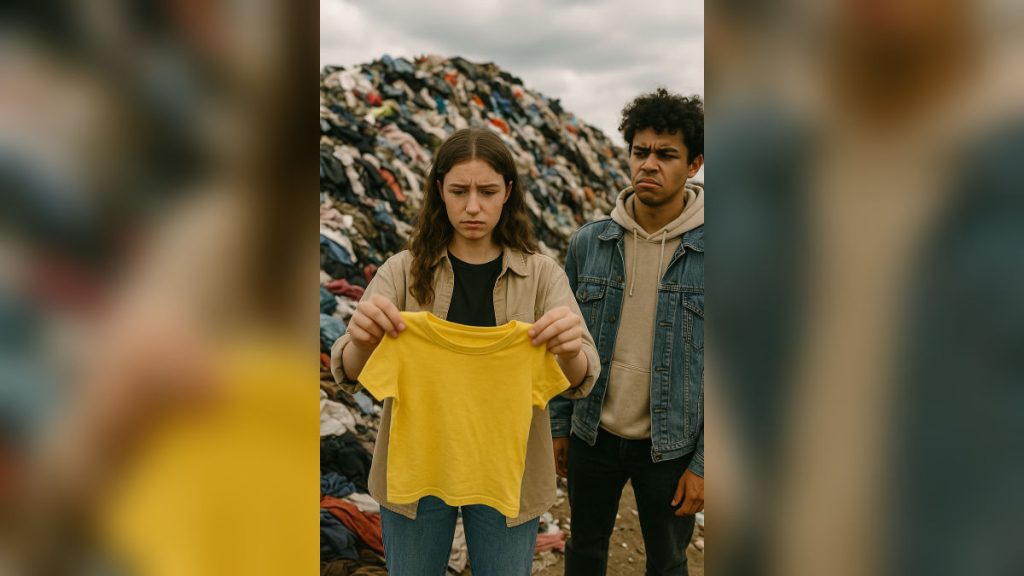
Short answer: Fast fashion is the speed-and-scale model behind brands like Shein, Zara and H&M that pumps out thousands of cheap, trend-mimicking pieces a week. It’s ruining the planet by guzzling 2,700 litres of water per cotton shirt, driving 10% of global carbon emissions, generating 92 million tonnes of textile waste a year, and shedding microplastics into oceans, on top of brutal labour conditions exposed by the 2013 Rana Plaza collapse.
Why is Gen Z asking about fast fashion now?
Fast fashion is everywhere. From TikTok hauls and “sheinfluencers” to shopping carts bursting with ₹299 tops, it promises affordability and trendiness at your fingertips. But behind the cheap prices and aesthetic feeds sits a darker reality, one that’s quietly wrecking the planet.
As a generation known for its activism and awareness, Gen Z is asking the right questions. What exactly is fast fashion? And how is it damaging the world we’re inheriting?
What is fast fashion?
Fast fashion is a business model built on speed, scale, and trend replication. Think of it as fashion’s version of fast food, quick, convenient, instantly gratifying, but not exactly nourishing for people or the planet.
Brands like Shein, Zara and H&M produce thousands of new items each week, mimicking runway looks or viral styles within days. The clothes are made with cheap synthetic fabrics, sewn together fast in overseas factories, and sold at incredibly low prices. Consumers are nudged to buy more, and toss them just as fast.
As someone who once bought four tops on a whim during a late-night sale (and donated them a month later), I’ve realised firsthand how easily fast fashion sucks us into the cycle of impulse and waste.
What is the environmental cost of cheap clothes?
What looks good in your cart looks much worse when you zoom out to its global impact. Fast fashion is one of the most polluting industries on earth, second only to oil in some estimates. Let’s break down how it’s hurting our planet.
1. Excessive water consumption and pollution
Producing a single cotton shirt can require up to 2,700 litres of water, roughly what one person drinks in two and a half years. The fashion industry guzzles water on an industrial scale, especially in cotton farming and fabric dyeing. But it’s not just about water use. Fabric dyeing often releases untreated chemicals into rivers and lakes, turning once-clean water into toxic soup. In Bangladesh and India, this has devastated aquatic ecosystems and put the health of communities living near textile factories at risk.
2. Greenhouse gas emissions and climate change
From factory floors to global shipping routes, fast fashion runs on fossil fuels. Manufacturing synthetic fabrics like polyester (derived from petroleum) drives heavy greenhouse gas emissions. Transporting garments across continents only adds to the carbon footprint.
According to a report by the United Nations Environment Programme, the fashion industry is responsible for 10% of global carbon emissions, more than all international flights and maritime shipping combined.
3. Mountains of textile waste
Fast fashion thrives on planned obsolescence. Clothes are designed to go out of style or fall apart after a few wears. People discard clothes at alarming rates. Globally, 92 million tonnes of textile waste pile up each year, much of it ending up in overflowing landfills. Worse, many fast fashion items use synthetic, non-biodegradable materials like nylon or acrylic. These fabrics can take up to 200 years to break down, leaching harmful chemicals into the soil and water on the way.
4. Microplastic pollution
Every time we wash polyester or nylon clothing, tiny plastic fibres (microplastics) shed into the water. These microscopic pollutants escape water treatment systems and eventually reach the ocean, where they’re ingested by marine life and, ultimately, by us through the food chain.
Studies show that a single load of laundry can release over 700,000 microplastic fibers. It’s a chilling reminder that even washing our clothes can cause environmental harm if we’re not mindful of materials.
5. Biodiversity and biodiversity loss
To meet the demand for fabrics like viscose, forests are cleared to make way for tree-based fibre plantations. The deforestation disrupts ecosystems and contributes to habitat loss for endangered species. Biodiversity is quietly under siege. The loss of forest cover for fast fashion is a stark example of how an industry that thrives on “newness” is eroding the natural world we all depend on.
What is the human cost behind the seams?
The environmental toll is shocking, the human cost is equally disturbing.
Most fast fashion is manufactured in developing countries where labour is cheap and regulations are weak. Garment workers, many of whom are women and even children, often face poor working conditions, meagre wages and long hours. Safety is routinely compromised to cut costs.
The 2013 Rana Plaza disaster in Bangladesh, where over 1,100 garment workers died when a factory collapsed, exposed the brutal reality behind our clothes. Unfortunately, such tragedies aren’t isolated, they’re systemic.
When you see a ₹399 dress online, it’s worth asking: Who made this? And at what cost?
How is Gen Z reshaping the future of fashion?
Gen Z isn’t just asking questions. They’re demanding accountability. With social media as their megaphone, they’re calling out greenwashing, boycotting unethical brands, and embracing second-hand, upcycled and slow fashion alternatives.
According to a 2022 survey by First Insight and the Wharton School, 73% of Gen Z consumers are willing to pay more for sustainable products. Even more promising is the shift in mindset, Gen Z is redefining fashion not as fast, disposable trends, but as a form of self-expression rooted in values.
I’ve seen it firsthand on my campus. Clothing swaps, thrift markets, and “outfit repeating” clubs have gained popularity. It’s not about shaming people for what they wear, it’s about encouraging mindful choices and celebrating sustainability as stylish, not sacrificial.
What can you actually do?
You don’t have to give up fashion to fight fast fashion. Small, intentional actions create meaningful change:
- Buy less, choose well: invest in quality over quantity.
- Thrift it: support second-hand stores or online resale platforms.
- Research before buying: use apps like Good On You to check brand ethics.
- Wash smart: use a microplastic filter or wash synthetic clothes less often.
- Speak up: use your platform to raise awareness and push for transparency.
Fashion will always evolve. But we get to decide what direction it takes.
Final thoughts: wear the change
Fast fashion sells the illusion of endless choice, but it robs us of a future worth living in. Every piece of clothing has a story, how it was made, who made it, and what impact it leaves behind.
Gen Z has the power to rewrite that story. Not with guilt, but with curiosity. So next time you click add to cart, pause and ask: Is this the kind of world I want to support?
FAQs about fast fashion and the environment
How much water does one fast fashion T-shirt actually use?
Producing a single cotton shirt can require up to 2,700 litres of water, roughly what one person drinks in two and a half years. The biggest drains are cotton farming and fabric dyeing, and the dye process also releases untreated chemicals into rivers across countries like Bangladesh and India.
What share of global emissions comes from the fashion industry?
According to the United Nations Environment Programme, the fashion industry is responsible for 10% of global carbon emissions, more than all international flights and maritime shipping combined. Most of that comes from synthetic fabric manufacturing (especially polyester) and global garment shipping.
How does washing clothes contribute to ocean plastic?
A single load of laundry can release over 700,000 microplastic fibres from polyester and nylon clothing. These slip past water treatment systems, end up in the ocean, and get ingested by marine life, eventually returning to us through the food chain.
What can I do to fight fast fashion as a Gen Z shopper?
Buy less and choose better-quality pieces, thrift on Poshmark or Depop, check brand ethics on Good On You, install a microplastic filter, and call out greenwashing on your platforms. The 2022 First Insight–Wharton survey found 73% of Gen Z already willing to pay more for sustainable options.