
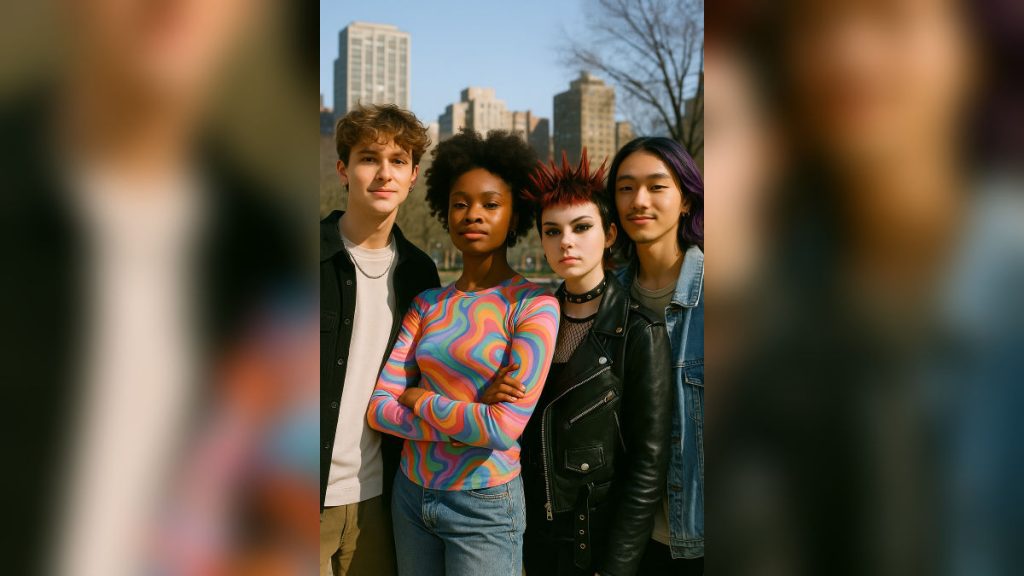
Short answer: Self-expression matters more than fitting in for Gen Z because it protects mental health, builds real connection and fuels original thinking. A 2022 American Psychological Association report found over 70% of Gen Z respondents reported stress and anxiety symptoms tied to societal pressure, and a Deloitte Global 2023 survey showed over 60% have used their voice for a cause.
Conformity used to be the safe bet. Sameness was rewarded everywhere, in classrooms, offices, family WhatsApp groups. Gen Z (born between the mid-1990s and early 2010s) grew up scrolling through filtered photos and viral trends. But instead of blending in, they’re asking a deeper question. Who am I, really?
And in asking that, they’re rewriting what “normal” means.
Why is Gen Z shifting from fitting in to standing out?
Fitting in once meant safety. Acceptance in school, in the workplace, in society at large. For older generations, conforming to social norms was often a survival strategy, plain and simple. But Gen Z? They see it differently.
From non-binary fashion choices to niche content creation, this generation believes that expressing who you are is more valuable than mimicking the crowd. It isn’t only about aesthetics, it’s about mental health, community and building a life that feels true.
“I spent my teenage years trying to be what others expected of me,” says Anaya, 22, a design student from Bengaluru. “But the moment I embraced my real self, everything changed. I felt lighter, freer, more me.”
How does self-expression affect mental health?
Authenticity as a form of self-care
Suppressing your identity or pretending to be someone you’re not takes a toll. It’s emotionally exhausting and can lead to anxiety, depression and chronic self-doubt. According to a 2022 report by the American Psychological Association, over 70% of Gen Z respondents reported symptoms of stress and anxiety, many linked directly to societal pressures.
Self-expression, by contrast, is liberating. It lets young people share their thoughts, feelings and identities without shame. Whether it’s journaling, painting, posting raw videos or just dressing differently, self-expression offers an emotional outlet and a quiet sense of inner balance.
How does Gen Z build real connections in a digital age?
Vulnerability is the new cool
In a world of “highlight reels,” Gen Z craves realness. They’re skeptical of the hyper-polished influencer aesthetic and actively seeking genuine, unfiltered connections. That means saying what you actually think, posting about your struggles, showing up as yourself even when it’s messy.
Platforms like TikTok and BeReal thrive on this ethos. A shaky video of someone talking about a panic attack often gets more engagement than a glam selfie. Why? Because authenticity resonates. It invites empathy and creates community.
“The more open I was online, the more support I received,” shares Karan, 19, who uses social media to talk about mental health and queerness. “I realised I wasn’t alone. That changed everything.”
How does self-expression help Gen Z grow?
Discovering who you are
For Gen Z, self-expression is also a journey inward. By experimenting with different hairstyles, music tastes, political views and pronouns, they explore the vast terrain of identity. Each act of expression is a step toward self-awareness. The process isn’t always linear (it rarely is), and sometimes it involves confusion or pushback. But in the end it leads to a more grounded sense of self, and with that comes confidence, purpose and direction.
“Trying new things helped me realise what felt true to me and what didn’t,” explains Ayesha, 23. “Even mistakes were part of the process.”
How is self-expression linked to innovation?
Originality breeds creativity
Self-expression doesn’t only impact the individual, it shapes culture. When people create from a place of authenticity, they bring fresh perspectives and bold ideas.
In fashion, we’re seeing a rise in gender-fluid collections. In media, young creators are tackling mental health, race, sexuality and class in ways nobody attempted before. In tech, inclusive design is finally gaining traction. Innovation thrives in freedom, and Gen Z is showing that breaking the mould leads to better, more diverse outcomes.
How is Gen Z creating safer spaces for everyone?
No labels, no judgment
Another big reason self-expression matters so deeply to Gen Z is their commitment to inclusive environments. Many of them are working to dismantle harmful stereotypes, whether tied to gender, religion, caste or sexuality. The focus is on fluidity over rigidity, understanding over labelling.
You can see the shift in how friend groups embrace pronouns, how schools are introducing mental health curricula, or how companies are revising diversity policies. Gen Z isn’t waiting for institutions to catch up, they’re leading the change themselves.
How does Gen Z use expression for social good?
Advocacy through identity
For Gen Z, expression doesn’t stop at the personal, it’s political. Through their voices, platforms and art, they’re pushing for systemic change, from climate justice and LGBTQ+ rights to mental health awareness and anti-caste activism.
According to a Deloitte Global 2023 survey, over 60% of Gen Z respondents said they’ve either participated in a protest, signed a petition, or used social media to advocate for a cause.
“Wearing a hijab, speaking my mother tongue, or challenging colourism, these are all ways I express my truth,” says Sana, 20. “It’s personal, but it’s also resistance.”
It’s not always easy, but it’s worth it
Choosing to be yourself in a world that rewards sameness takes courage. There are norms to challenge, criticisms to face, inner fears to confront. Not everyone will understand or support the journey.
But the rewards of authenticity outweigh the risks. Peace of mind. Deeper relationships. A sense of purpose. And a life that feels truly yours.
Final thoughts: embrace the power of you
In a culture obsessed with filters and expectations, Gen Z is rewriting the rules. They’re showing that being real is more powerful than being popular, and standing out is more valuable than fitting in.
Self-expression isn’t a trend for this generation. It’s a way of life, a call to show up as you are, speak your truth and build a world where everyone is free to do the same.
FAQs about self-expression and Gen Z
Why does self-expression matter more than fitting in for Gen Z?
Self-expression supports mental health, builds real connection and fuels original thinking, while fitting in often demands suppressing identity. Gen Z views authenticity as both self-care and a foundation for community, not just a personal style choice.
How does self-expression affect mental health?
Pretending to be someone you’re not is emotionally exhausting and can lead to anxiety, depression and chronic self-doubt. According to a 2022 American Psychological Association report, over 70% of Gen Z respondents reported stress and anxiety symptoms, many tied to societal pressures.
How is Gen Z redefining identity and authenticity?
Gen Z explores identity through hairstyles, music, political views and pronouns, embracing fluidity over rigid labels. They build inclusive spaces and reject the highlight-reel pressure of older social media.
What share of Gen Z uses their voice for activism?
According to a Deloitte Global 2023 survey, over 60% of Gen Z respondents have either participated in a protest, signed a petition, or used social media to advocate for a cause. For many, identity-based expression doubles as quiet resistance.