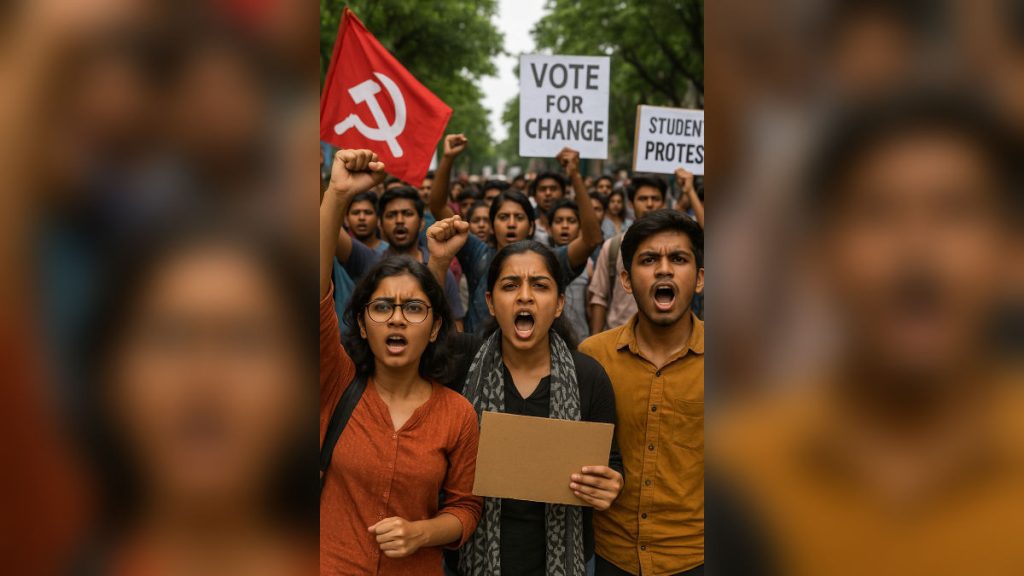
Short answer: Gen Z in India is the most politically active youth cohort the country has seen because they grew up online, lived through stacked crises (pandemic, jobs, climate), and treat issues like LGBTQ+ rights, caste and mental health as personal, not abstract. Channelling that energy means schools that allow dissent, civic literacy in classrooms and funded youth-led campaigns.
Every generation has its spark. For India’s Gen Z, that spark turned into a fire somewhere between the farmers’ protests and the climate marches. They rally for climate justice, push back against hate speech, demand serious mental-health infrastructure and refuse to be quiet about gender. By every honest measure, they are the most politically engaged generation this country has produced.
So what’s actually driving it?
Let’s get into the forces behind Gen Z’s political awakening, and how the rest of us can channel that energy into a stronger democracy instead of letting it curdle into frustration.
Why does Gen Z grow up as digital-native activists?
A constant stream of news and noise
Gen Z is the first generation to grow up fully inside the internet. Information doesn’t get looked up, it finds them, through algorithms, memes, Twitter threads and Instagram stories. From Class 8 students to college graduates, today’s young Indians are exposed to news, opinions and global discourse around the clock. Whether it’s the farmers’ protests in Punjab or the latest UN climate report, the digital world has flattened the old gatekeepers of political knowledge. As a result, Gen Z doesn’t just consume the news, they question it, dissect it and often amplify it harder than any newsroom can.
As 19-year-old Komal from Pune shared, “I learned more about Article 370 and CAA through YouTube explainers and Twitter spaces than I ever did in school. It made me realize how much power I have just by staying informed.”
How have stacked crises shaped Gen Z’s politics?
From lockdowns to layoffs
No generation grows up in a vacuum. Gen Z came of age in an India running on disruption. Global pandemic. Job-market wobbles. A worsening climate. Sharper polarisation. Chipped-away press freedom. None of this is news headlines to them, it’s their daily reality.
That constant low-grade instability has produced a sense of urgency you can almost touch. They’re not interested in “waiting their turn”. And honestly, why would they be? The bill is already coming due.
According to a 2023 United Way NCA Gen Z Activism Survey, over 60% of Gen Z respondents worldwide reported being engaged in political or social activism. Indian trends mirror this energy—from online petitions and campus protests to WhatsApp-led civic campaigns in small towns.
Why does Gen Z fight for what feels personal?
Identity, rights and representation
Unlike earlier generations, Gen Z’s activism comes from somewhere personal. They aren’t watching from the sidelines. They’ve got skin in the game.
Take LGBTQ+ rights. The 2018 decriminalisation of Section 377 was a landmark, but Gen Z hasn’t stopped there. They want real societal acceptance, legal protection, representation that isn’t tokenism, the whole nine yards. Conversations on caste discrimination, menstrual health, mental-health access and women’s safety have moved from hushed corners to viral campaigns, thanks to Gen Z voices that are bold, informed and unapologetically intersectional.
How does social media power Gen Z activism in India?
Hashtags to headlines
What older generations dismissed as a distraction, Gen Z turned into a weapon. Instagram, YouTube, Snapchat, none of it is just selfies. They’re tools for mobilisation, storytelling and protest.
In recent years, Indian youth-led campaigns like #StudentsProtest, #JusticeForSSR, and #SaveAarey went viral not through mainstream media, but through reels, tweets, and viral infographics.
The actual strength of social media is its ability to amplify the underrepresented, route around legacy gatekeepers and bring youth voices to the front of national debate. It has democratised activism, more or less, and given any young Indian with a phone a possible seat at the table.
Why does Gen Z demand accountability over allegiance?
Trust is earned, not assumed
Gen Z isn’t loyal to party lines or legacy institutions. Authenticity beats allegiance, every time. If a leader is inconsistent, hypocritical or performing for optics, they’ll get called out. This generation isn’t impressed by hollow slogans or moral grandstanding, they want evidence and clarity. Politicians and public figures who actually engage with Gen Z on their terms (with honesty, humility, transparency) tend to earn real respect.
As Aarav, a 21-year-old law student from Delhi University puts it, “If you’re just showing up at election time, we see through that. We want dialogue, not drama.”
So how can we channel this energy?
Building bridges, not walls
If we genuinely want to scale Gen Z’s political potential, we have to do more than admire it from a distance. Here’s where to start:
- Create safe spaces for dialogue: Schools, colleges and community platforms need to allow political conversation, not shut it down. Debate and dissent are healthy parts of democracy, not threats to it.
- Include political literacy in education: From how a bill becomes law to how a panchayat actually works, it’s time Indian education took civic studies seriously again.
- Support youth-led initiatives: Campus newspapers, local clean-ups, digital campaigns, fund and amplify the grassroots stuff.
- Encourage local action: Voting isn’t the only way to engage. Municipal meetings, RTIs, citizen groups, the local impact compounds fast.
- Promote media literacy: Fake news is rampant. Helping Gen Z separate credible reporting from propaganda is now democratic infrastructure.
The future is already in motion
For too long, youth political engagement in India got dismissed as “naïve idealism” or rebellious noise. Gen Z is flipping that narrative on its head. They’re educated, organised and deeply invested in shaping where this country goes next.
The choice is simple. Ignore the energy and watch it sour into frustration. Or embrace it and build a stronger, more inclusive democracy together. If you’re a policymaker, educator or parent, listen. Engage. Learn. And if you’re Gen Z reading this, keep raising your voice. This is your time, and the country is finally listening.
FAQs about Gen Z’s political activism in India
Why is Gen Z in India more politically active than earlier generations?
Three big reasons: they grew up with constant digital exposure to political content, they came of age during stacked crises (pandemic, jobs, climate, polarisation), and they treat issues like LGBTQ+ rights, caste and mental health as personal rather than abstract. The result is an unusual sense of urgency and ownership.
How does social media drive Gen Z activism in India?
Platforms like Instagram, YouTube, Twitter and Snapchat let Gen Z bypass mainstream media gatekeepers. Campaigns like #StudentsProtest, #JusticeForSSR and #SaveAarey spread through reels, tweets and infographics, allowing youth-led narratives to hit national scale without legacy support.
What political issues does Gen Z in India care about most?
Climate justice, LGBTQ+ rights and societal acceptance beyond Section 377, caste discrimination, women’s safety, mental-health access, menstrual health, press freedom and accountability of public figures all rank high. They’re often framed as identity and lived-experience issues, not just policy debates.
How can schools and institutions support Gen Z’s civic engagement?
Allow political conversation in classrooms instead of shutting it down. Bring civic studies back seriously, including how local governance works. Fund youth-led campaigns and student journalism. And teach media literacy so young people can tell credible reporting from propaganda.
How does Gen Z view politicians and political parties?
Gen Z values authenticity over allegiance and isn’t loyal to party lines or legacy institutions. They call out hypocrisy quickly and respond best to leaders who show up year-round with honesty, humility and transparency, not just at election time.