Short answer: Gen Z, born between 1997 and 2012, is projected to command $12.6 trillion in global spending power by 2030. They are digital natives reshaping work, wellness, finance, and culture around flexibility, sustainability, transparency, and mental health, and they create as much culture as they consume.
Generation Z, born between 1997 and 2012, is not only a demographic. They are the architects of a new cultural and economic paradigm. With an estimated global spending power of $12.6 trillion by 2030, their influence is undeniable (GWI). This generation is redefining norms, challenging traditions, and building a future that is as dynamic as it is disruptive.
Who is Gen Z and why do they matter?
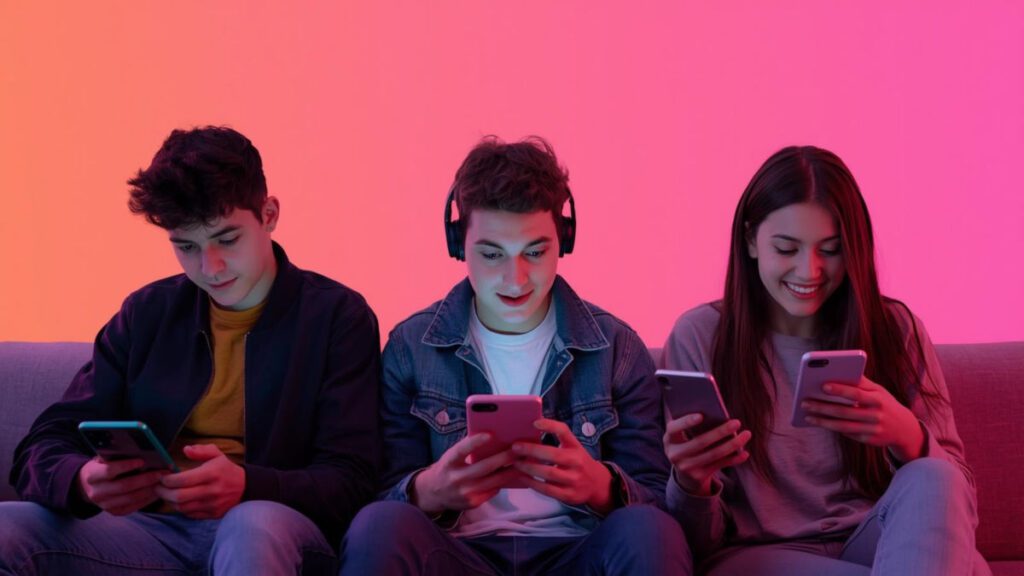
Gen Z has never known a world without the internet. They are digital natives, fluent in social media, streaming, and instant communication. Their digital engagement isn’t only entertainment; it is a tool for activism, education, and community building. Platforms like TikTok and Instagram are not only spaces for self-expression but arenas for social change, where movements gain momentum and voices find amplification.

Why are Gen Z conscious consumers?
Sustainability isn’t a trend for Gen Z; it is a mandate. A significant majority weigh environmental considerations in their purchases, and many will pay a premium for products that align with their values (TEAM LEWIS). They want transparency, ethical practices, and accountability. They call out greenwashing quickly and back companies that show real commitment to social and environmental causes.

How is Gen Z redefining work and wellness?
Gen Z wants flexibility, purpose, and balance at work. They push back on rigid 9-to-5 structures and focus on outcomes and well-being. That shift is reshaping workplaces around mental health, inclusivity, and work-life integration. Wellness, for them, runs beyond physical health into mental and emotional well-being, with growing interest in mindfulness, meditation, and digital detox.

Why is Gen Z financially pragmatic?
Having grown up through economic uncertainty, Gen Z approaches money with caution. They budget carefully, shop by value, and chase financial independence. This generation is more likely to run side hustles, invest in stocks, and prioritise savings while still managing student debt and difficult housing markets.

How does Gen Z create and curate culture?
Gen Z isn’t only consuming culture; they are making it. From viral dance challenges to meme-driven narratives, they curate what trends. Their creativity runs on open access to digital tools and platforms that enable fast sharing and collaboration. That democratisation of content creation has opened space for diverse voices and perspectives, and put pressure on traditional gatekeepers in media and entertainment.

What does the future hold for Gen Z?
As Gen Z moves further into adulthood, their influence on society will only grow. They are positioned to lead in technology, politics, and global initiatives, driven by responsibility and the urge to make meaningful change. Their legacy will centre on innovation, inclusivity, and the pursuit of a better world.
In understanding Gen Z, we glimpse the future: interconnected, conscientious, and constantly evolving. They are not adapting to the world; they are shaping it, one digital interaction at a time.
FAQs about Gen Z
What years define Gen Z?
Gen Z is generally defined as people born between 1997 and 2012.
How much will Gen Z spend globally by 2030?
Gen Z is estimated to command around $12.6 trillion in global spending power by 2030, according to GWI.
Why does Gen Z care about sustainability?
Gen Z treats sustainability as a baseline expectation, not a marketing angle. Many are willing to pay more for brands that are transparent, ethical, and accountable on environmental and social issues.
How does Gen Z approach work differently?
Gen Z prefers flexibility, purpose, and outcomes over rigid 9-to-5 structures. They push workplaces to prioritise mental health, inclusivity, and work-life integration.
What platforms does Gen Z use most?
Platforms like TikTok and Instagram are central to Gen Z’s lives, used for self-expression, activism, education, and community building as much as entertainment.