

Short answer: In 2025, Gen Z is reshaping India’s e-commerce around identity, ethics, and experience. They favour D2C and indie brands over legacy giants, demand sustainability and transparency, and treat scrolling as shopping. Per SCMP, two-thirds of urban Indian youth now check ingredient labels, and 80% avoid additives in food.
In 2025, online shopping in India is no longer about deals or discounts alone. It is shifting into a new culture shaped by Gen Z’s values and habits. The “Gen Z marketplace” is redefining how brands sell, how youth discover, and what “buying” even means. From indie D2C startups to legacy brands in full makeover mode, India’s youth are pushing e-commerce to be more transparent, local, sustainable, and identity-driven.
This is more than a shift in consumer behaviour. It is a cultural movement. Buying becomes part of expression, and values become part of checkout.

What are the new rules of Gen Z e-commerce in India?
1. From big brands to “brands I relate to”
Gen Z in India is skeptical of large corporations. They prefer brands that reflect their identity. They want founders from similar backgrounds, stories of sustainability, and transparency about ingredients or sourcing.
It isn’t rare to see young shoppers pick a small skincare brand that uses Ayurvedic herbs over a big multinational because the smaller one “feels more me.”
2. “Ethical” isn’t optional, it’s expected
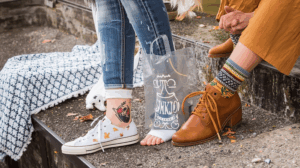
Sustainability, fair pay, cruelty-free products: these are no longer marketing gimmicks. Many Gen Z shoppers will drop or distrust a brand immediately after a scandal over its supply chain or packaging waste.
The SCMP describes how two-thirds of urban Indian youth now check ingredient labels, and 80% avoid additives in foods. (South China Morning Post)

3. Blending tradition and trend
The fusion is what’s powerful. Traditional Indian elements get reimagined digitally. Ubtan in a tube, regional snacks in premium packaging, house remedies reworked for modern formats. Gen Z doesn’t reject tradition; they remix it. (South China Morning Post)

4. Discovery equals experience
Scrolling becomes shopping. Reels, short videos, livestream sales: e-commerce is entertaining now. Brands host pop-up digital events, limited drops, and AR try-ons. Gen Z wants to feel the launch, not only see it.

How are brands adapting to Gen Z shoppers?
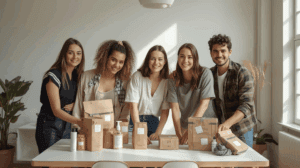
D2C and indie brands rising: Lower overheads help niche brands grow fast. Many are run by Gen Z or young founders, which makes them more relatable.
Community-first marketing: Brands lean on user-generated content, micro-influencers, and grassroots campaigns over mass celebrity endorsements.
Sustainability as core, not side: Packaging, production, and logistics are all open to scrutiny.
Fast reactivity: Niche SKUs or regional flavours launch in days based on social feedback, with small runs and test drops.
Legacy giants are trying too, but many stumble because they change product lines without changing mindsets.
What challenges and tensions remain?
Cost vs ethics: Going green or local costs more. Many youth want sustainable goods, but price remains a barrier.
Overhype and burnout: With constant new drops, novelty can fatigue.
Authenticity vs marketing: When big brands claim “purpose,” Gen Z sees through token gestures.
Logistics and reach: Small towns and rural areas often lack reliable delivery, which undercuts equitable access.
Why does this matter for tomorrow?
This isn’t only e-commerce evolution. It is a redefinition of trust, identity, and community.
Gen Z is shaping supply chains, not just consuming from them. Brands will be judged by values, not only value.
India’s youth becoming a tastemaker globally: what sells in Delhi’s youth districts could spill overseas.
If you assume big brands lead the narrative, Gen Z flips that assumption. Smaller, nimble, value-driven brands may lead the way forward.
The bottom line
The Gen Z marketplace isn’t a fad. It is a new economic culture where identity, ethics, experience, and community meet at checkout.
In 2025, how India’s youth shop says more about who they want to be than what they want to buy. Brands that ignore this will be obsolete before they realise it.
FAQs about Gen Z e-commerce in India
How is Gen Z changing e-commerce in India?
Gen Z is steering Indian e-commerce toward identity-driven, transparent, sustainable, and community-led buying, favouring D2C and indie brands over legacy multinationals.
What percentage of Indian youth check ingredient labels?
According to the South China Morning Post, around two-thirds of urban Indian youth now check ingredient labels, and 80% avoid additives in foods.
Why does Gen Z prefer D2C and indie brands?
D2C and indie brands often have younger founders, clearer sustainability stories, and more transparent sourcing, which makes them feel more personal and trustworthy to Gen Z shoppers.
How do Gen Z shoppers discover new products?
Discovery happens through Reels, short videos, livestream sales, AR try-ons, limited drops, and pop-up digital events. Scrolling becomes shopping, and the launch itself is part of the experience.
What are the biggest challenges for Gen Z e-commerce in India?
Key challenges include the cost of sustainable products, drop fatigue from constant launches, distrust of token “purpose” marketing from legacy brands, and weak logistics in small towns and rural areas.