
Short answer: The Women’s Premier League (WPL), launched by the BCCI in 2023, has become one of India’s most engaging sporting properties for Gen Z. Media rights sold for roughly ₹951 crore over five years, franchises were bought for over ₹4,600 crore cumulatively, and by the 2026 season digital consumption reportedly surged nearly 69% compared to earlier editions.
Cricket in India has always been more than a sport. It is dinner-table debate, neighbourhood rivalry, exam-time distraction, and national therapy rolled into one. For decades, this emotion revolved almost entirely around the men’s game. Women’s cricket existed, often heroic, frequently underfunded, but rarely at the center of mass conversation.
That has changed. Dramatically.
With the launch of the Women’s Premier League (WPL) in 2023 under the stewardship of the Board of Control for Cricket in India (BCCI), women’s cricket in India did not receive a tournament. It received a platform. Within three seasons, it has transformed into one of the most compelling sporting properties for Gen Z audiences in India.
This is not hype. It is a cultural shift.
How did women’s cricket come of age in India?
Long before packed WPL stadiums and viral Instagram edits, there were moments that hinted at possibility. The 2017 ICC Women’s World Cup final appearance under Mithali Raj ignited a spark. Millions watched women in blue fight on the global stage. 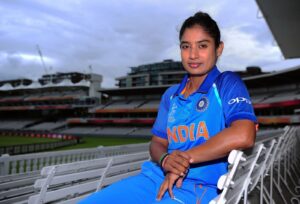
The ecosystem was still fragile. Domestic structures were uneven. Media coverage fluctuated. Corporate investment remained cautious.
The turning point came when the BCCI fully integrated women’s cricket into its administrative and financial framework after 2006 and gradually began professionalising contracts, infrastructure, and match exposure. Central contracts were introduced. Match fees improved. Pay parity for match fees between men and women was announced in 2022, a landmark decision that signalled institutional commitment.
These moves were not cosmetic. They were structural. By the time the WPL was announced, the groundwork had been laid.
Why was the BCCI’s investment in WPL so significant?
When the BCCI auctioned media rights for the Women’s Premier League at approximately ₹951 crore for five years, it sent a clear message: women’s cricket was no longer a CSR extension. It was a commercial asset.
Franchise valuations reinforced this confidence. Teams were bought for over ₹4,600 crore cumulatively. Investors were not charity-driven. They were market-driven.
Why would corporate houses commit such capital?
Because the BCCI did something critical. It treated the WPL with the same production value, marketing muscle, and operational seriousness as the IPL. Prime-time scheduling. Multi-camera broadcast quality. Celebrity-studded openings. Aggressive digital promotion.
This parity in presentation changed perception overnight. Gen Z noticed.
How big is WPL’s digital engagement?
By the 2026 season, digital consumption reportedly surged by nearly 69% compared to previous editions, while television ratings saw substantial growth as well (industry reports via Female Cricket and Deccan Chronicle).
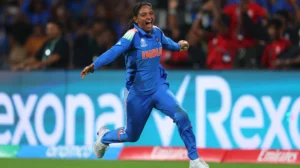
Numbers alone do not explain momentum. What matters more is where this engagement is happening.
- Short-form video highlights circulating within minutes.
- Fan edits of Smriti Mandhana cover drives trending on Reels.
- Tactical debates about Harmanpreet Kaur’s field placements on X.
- Lifestyle collaborations featuring Jemimah Rodrigues beyond the boundary ropes.
This is not passive consumption. It is participatory culture. And participatory culture is Gen Z’s native language.
Why does WPL work for a digital-first generation?
Gen Z does not “tune in” the way previous generations did. They discover moments. They share clips. They follow personalities. They build micro-communities around fandom. 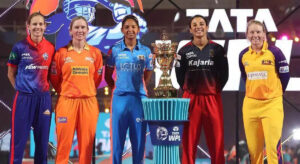
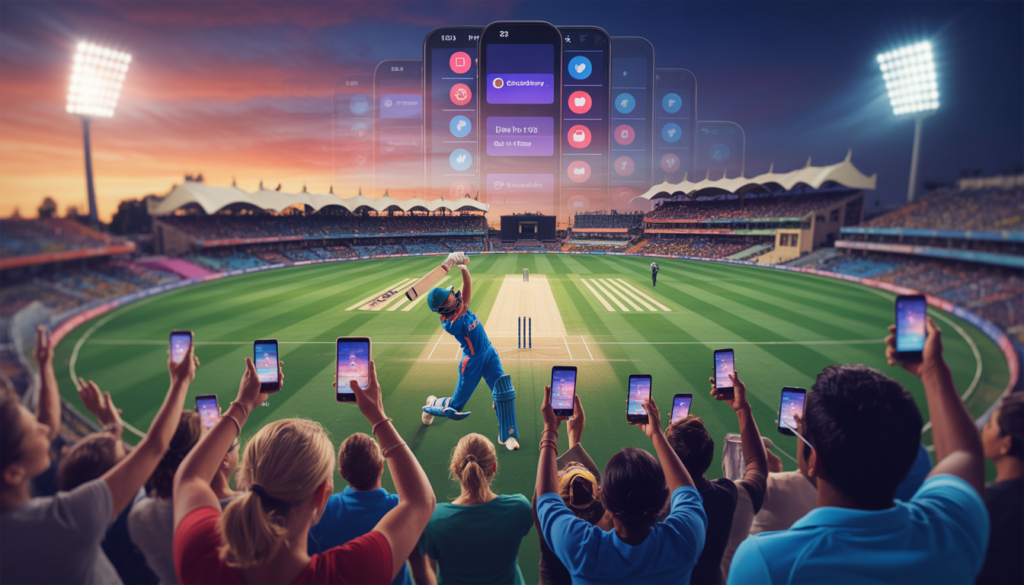
The WPL’s rise coincided with India’s explosive growth in affordable data and smartphone penetration. Young audiences stream on connected TVs, mobile apps, and social feeds simultaneously. A six is watched live. Then clipped. Then memed. Then debated.
The league’s marketing ecosystem understands this loop.
Highlights are optimised for vertical viewing. Player interactions feel authentic rather than scripted. Behind-the-scenes footage humanises athletes.
The WPL does not broadcast matches. It feeds an algorithm.
Who are the star players of WPL?
Another reason the WPL resonates with young audiences is that its stars are multidimensional.

Smriti Mandhana is not just an opener; she is a brand ambassador with a sharp public voice. Harmanpreet Kaur embodies aggression and composure in equal measure. Jemimah Rodrigues brings relatability, humour, and musical flair on social media.
For Gen Z, athletes are not distant heroes. They are accessible personalities.
I remember speaking to a 20-year-old college student during the second WPL season. She told me she initially started watching because her friends were posting about Mandhana’s batting. “But now,” she said, “I watch because I love how they celebrate each other. It feels different.”
That “different” is powerful.
Women’s cricket carries a sense of authenticity and team spirit that resonates with a generation fatigued by over-commercialised spectacle.
Why does representation in WPL matter?
Sport shapes imagination.
For decades, young Indian boys grew up seeing cricketers as aspirational archetypes. For girls, those mirrors were fewer.
The WPL changes that visual grammar.
Now, a 10-year-old in Meerut or Madurai can see packed stadiums cheering women. She can see contracts, endorsements, and prime-time broadcasts. She can see viability.
Representation is not abstract. It is economic.
When the BCCI equalised match fees between men and women, it did more than address inequality. It legitimised ambition. Gen Z, a generation deeply invested in fairness and visibility, recognises that shift.
How has WPL entered campus culture?
One of the strongest signals of cultural relevance is offline conversation.
Across Indian universities, WPL watch parties are no longer niche gatherings. Mixed groups discuss strike rates and bowling changes. Fantasy league teams include women cricketers without hesitation.
This normalisation is critical. Earlier, watching women’s cricket was framed as progressive support. Today, it is sport.
The league’s success has made it cool, and coolness in youth culture is currency.
How are brands responding to WPL?
Where attention goes, brands follow.
The WPL has attracted sponsors across fintech, beauty, athleisure, and digital platforms. This diversity signals confidence in audience demographics, particularly urban, digitally engaged 18–30-year-olds.
Corporate backing feeds visibility. More ads mean more recall. More campaigns mean more cultural imprint.
The BCCI’s credibility ensures that sponsors view the league as stable, not experimental. Institutional trust matters in scaling sports ecosystems.
How does structural depth support WPL?
Perhaps the most understated contribution of the BCCI is structural continuity.
Domestic tournaments have expanded. Infrastructure access has improved. Pathways from under-19 to senior levels are clearer. The under-19 women’s team’s global successes reinforce pipeline strength.
The WPL does not exist in isolation. It is the apex of a widening base. That base ensures sustainability.
What challenges lie ahead for WPL?
Growth brings responsibility.
The league must guard against over-centralisation in metros. Regional outreach remains crucial. Grassroots investment must continue. Media narratives should avoid tokenism.
The BCCI’s role here is pivotal. Long-term scheduling clarity, equitable resource allocation, and transparent governance will determine whether this momentum becomes legacy.
Gen Z is loyal, but not blindly so. Authenticity cannot be faked.
What does WPL mean for Indian sport?
The success of the Women’s Premier League is not merely a sporting triumph. It represents a recalibration of Indian sporting identity.
Women’s cricket has moved from margins to mainstream.
The BCCI’s institutional backing provided capital and credibility. The players provided excellence and charisma. Gen Z provided amplification and energy. Together, they have rewritten the script.
Cricket in India is no longer a single-story narrative. It is plural. It is inclusive. It is evolving.
Perhaps that is the most significant takeaway.
A call to the next generation
The WPL’s rise proves something profound: when systems invest, audiences respond.
The question now is not whether women’s cricket has arrived. It has.
The question is whether we, as fans and citizens, will continue to nurture this ecosystem by showing up, watching, debating, and investing emotional capital.
Because sport does not grow in boardrooms alone. It grows in conversations. In campuses. In living rooms. In social feeds.
The coming of age of women’s cricket in India is not the end of a journey. It is the beginning of a more inclusive sporting future.
And Gen Z, whether it realises it or not, is already holding the bat.
FAQs about the Women’s Premier League
When did the Women’s Premier League start?
The Women’s Premier League (WPL) was launched by the Board of Control for Cricket in India (BCCI) in 2023. Within three seasons it has become one of India’s biggest sporting properties for Gen Z audiences.
How much did the WPL media rights sell for?
The BCCI auctioned WPL media rights for approximately ₹951 crore for five years. Franchise teams were bought for a cumulative value of over ₹4,600 crore, reflecting strong commercial confidence.
Who are the most popular WPL players on social media?
Smriti Mandhana, Harmanpreet Kaur, and Jemimah Rodrigues are among the most popular WPL players online. Mandhana draws fan edits on Reels, Kaur’s captaincy sparks tactical debates on X, and Rodrigues’s humour and music-led posts extend her reach beyond cricket.
Why does Gen Z love the WPL?
Gen Z engages with the WPL because the league is treated with IPL-grade production, its players act as accessible personalities on social media, and the content format (clips, memes, tactical threads) matches their participatory culture.
Are men and women paid equally in Indian cricket?
In 2022, the BCCI announced pay parity for match fees between men and women cricketers. This was a landmark decision that signalled institutional commitment, though other revenue streams and contract structures still vary.