

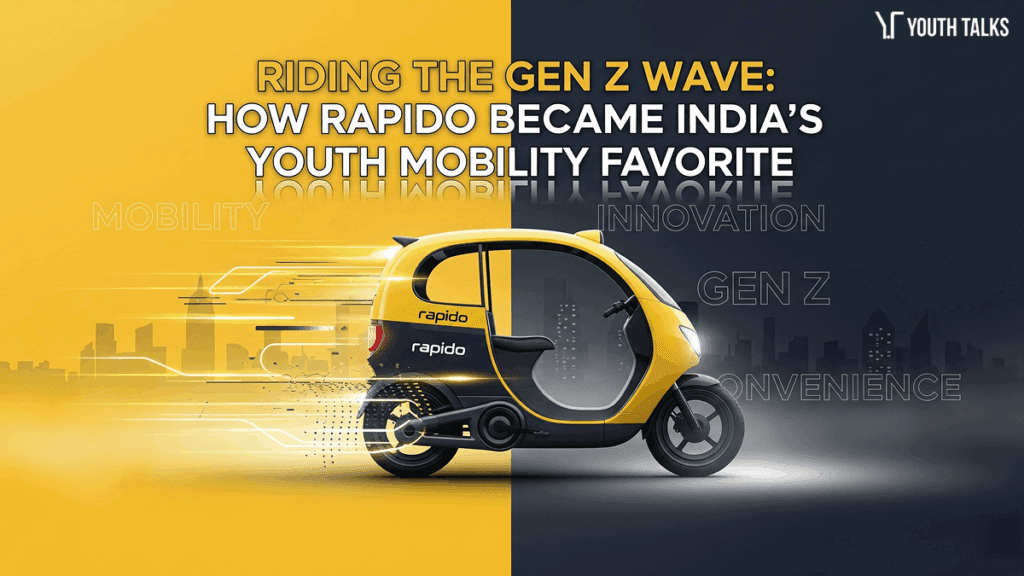
Short answer: Rapido has become the top ride-hailing choice for Indian Gen Z because of its low fares, bike-taxi convenience, and youth-coded marketing. A survey of over 1,000 Gen Z respondents found 74% picked Rapido for affordability and 61% valued the option to switch between bikes, autos, and cabs.
Rapido, India’s homegrown ride-hailing platform, has built a strong foothold among Generation Z commuters. While Uber and Ola still lead on overall scale, Rapido has grown by aligning with the budgets, habits, and values of young Indians. This report draws on feedback from over 1,000 Gen Z respondents across multiple Indian cities to map why the platform resonates, what fuels its rise, and the obstacles ahead.
Why does Rapido appeal to Gen Z in India?

For Gen Z, transport is part of lifestyle, not just utility. Owning a personal vehicle no longer signals independence the way it once did. Convenience, cost, and sustainability now drive the choice. A 19-year-old respondent from Bengaluru put it plainly: “Why buy a scooter when Rapido gets me to class for less than my chai and samosa combo?”
That mindset gives Rapido room to thrive. By shaping itself around these preferences, the company positions itself as a daily freedom enabler rather than a transport vendor.
What percentage of Gen Z users choose Rapido for low fares?
Cost-effectiveness and value
Affordability sits at the centre of Rapido’s pull. Over 74% of respondents named low fares as the main reason they chose Rapido over alternatives. Bike taxis, the company’s pioneering format, are far cheaper than the cars on Uber or Ola. For users juggling tuition fees, internships, and outings, that gap matters.
The compact format helps too: small vehicles weave through traffic with ease. A Delhi college student summed it up: “With Rapido, I save both money and time. That’s everything a student needs.”
Strategic marketing aimed at young Indians
Rapido’s marketing playbook is built for younger audiences.
- Influencer-driven campaigns on Instagram and YouTube made the brand feel familiar. Gen Z respondents said they discovered Rapido through campus influencers and content creators, not through traditional ads.
- Catchphrases like “Smart ho toh Rapido” stuck and worked their way into youth culture.
- On-the-ground college campus campaigns drove awareness and adoption.
Referral programs added a viral layer, turning each student into a brand ambassador and fuelling peer-to-peer growth.
Adaptability and innovation
Rapido started as a bike taxi service and has since diversified into autos and cabs, covering a wider set of commuting needs. Over 61% of surveyed users appreciated being able to switch between modes based on budget and situation.
Tech upgrades reinforced loyalty. AI-powered route optimisation and dynamic pricing rolled out in 2024 were received well, with users reporting better reliability during peak hours. One respondent called it “getting a friendlier, faster version of Ola.”
Alignment with shifting Gen Z preferences
Two cultural shifts work in Rapido’s favour:
- Decline of personal vehicle ownership: Gen Z respondents consistently ranked shared mobility above owning a two-wheeler or car, citing environmental concerns and parking hassles.
- Experience over possessions: For many young users, Rapido is part of daily experiences — reaching coaching classes, meeting friends, or commuting to gigs.
By matching these values, Rapido fits into Gen Z lifestyles rather than interrupting them.
What challenges does Rapido face in India?

Despite its momentum, Rapido faces hurdles that respondents flagged consistently.
Intense market competition
Indian ride-hailing is unforgiving. Uber and Ola are entrenched and quick to counter Rapido’s moves. Respondents in metros pointed to fare cuts and driver incentives from rivals as efforts to win them back.
Regulatory hurdles
Legal uncertainty around bike taxis is a sticking point. States like Karnataka and Maharashtra have imposed restrictions, frustrating users. For Gen Z, who value reliability, regulatory disruptions chip away at trust.
Driver retention and service leakage
Rapido’s earlier struggle with drivers bypassing the platform to serve repeat customers directly was visible to respondents who noticed inconsistent availability. The subscription model for drivers has improved loyalty, but consistency remains a concern.
Quality and wait times
Several users flagged longer wait times during peak hours. With alternatives one tap away, holding service quality at scale will decide Rapido’s staying power.
What can other brands learn from Rapido’s Gen Z playbook?

Rapido’s story offers three lessons for brands chasing Gen Z loyalty:
- Price sensitivity matters, but it has to come with convenience and speed.
- Cultural resonance is key. Gen Z responds to influencers and peer-led narratives more than corporate messaging.
- Innovation is expected, not optional. Gen Z gravitates toward platforms that keep improving.
As one respondent put it: “Rapido feels like it gets us — it’s not trying to be fancy, just useful.”
What do the research findings tell us about Gen Z mobility?
Feedback from over 1,000 Gen Z respondents paints a clear picture: Rapido has emerged as a mobility brand that resonates deeply with young Indians by balancing affordability, agility, and cultural relevance. Sustaining that lead will mean handling competition, regulation, and quality at scale.
For Gen Z, transport is no longer about ownership. It’s about access, speed, and price. Rapido’s rise shows how aligning with those priorities can turn a startup into a youth favourite. The open question is whether it can keep innovating as rivals push back and regulations evolve.
In the words of one 22-year-old user: “Rapido isn’t just how I get from point A to point B — it’s how I live my city life.”
FAQs about Rapido and Gen Z in India
Why do Gen Z users in India prefer Rapido over Uber and Ola?
Over 74% of surveyed Gen Z respondents picked Rapido mainly for low fares, with bike taxis being far cheaper than Uber or Ola cars. Convenience, faster movement through traffic, and youth-focused marketing also played a role.
What is Rapido’s bike taxi model?
Rapido pioneered a bike-taxi service in India where two-wheelers act as on-demand rides. It has since diversified into autos and cabs, with 61% of surveyed users valuing the ability to switch between modes.
Where are bike taxis facing regulatory issues in India?
States like Karnataka and Maharashtra have imposed restrictions on bike taxis, creating legal uncertainty. Respondents said these regulatory disruptions affect reliability and trust, especially for Gen Z users who value consistency.
What new tech features did Rapido introduce in 2024?
Rapido rolled out AI-powered route optimisation and dynamic pricing in 2024. Users reported improved reliability during peak hours and described the experience as a faster, friendlier alternative to Ola.
How does Rapido market to Gen Z in India?
Rapido leans on Instagram and YouTube influencers, college campus campaigns, and catchphrases like “Smart ho toh Rapido.” Referral programs turn students into peer ambassadors, driving word-of-mouth growth instead of relying on traditional ads.