
Short answer: AI is already woven into daily life through Netflix recommendations, Spotify playlists, Google Maps, face unlock, and AI-driven medical screening. In India, machine learning now helps rural clinics diagnose diabetic retinopathy where specialists are scarce. The shift isn’t about what AI will do. It’s about what it’s already doing, quietly.
We often picture artificial intelligence as humanoid robots or sci-fi automation. The truth is simpler. AI isn’t the future. It’s the present, already shaping the choices we make and the systems we depend on.
From personalised Netflix recommendations to AI-powered medical diagnostics, artificial intelligence has moved from niche innovation to global infrastructure. The revolution is no longer about what AI will do. It’s about what it’s already doing, often without us realising it.
Where is AI already hiding in your day?
AI has gone mainstream, but its most powerful forms stay invisible. It doesn’t announce itself. It works.
When your phone unlocks using your face, that’s AI. When your Spotify playlist predicts your next favourite song, that’s AI. When Google Maps adjusts your route mid-drive, that’s AI reading traffic patterns in real time.
These micro-interactions define the new age of convenience. AI doesn’t live in machines. It lives in moments.
How is AI transforming healthcare?
Nowhere is AI’s impact more profound than in healthcare. Machine learning systems now detect cancers earlier than radiologists, predict heart attacks from retinal scans, and personalise treatment based on genetic data.
AI models trained on millions of medical images identify diseases with staggering accuracy, giving doctors a second set of “digital eyes.” In India, AI-driven screening programmes are helping rural clinics diagnose diabetic retinopathy where specialists are scarce.
The result is a healthcare system that’s not just reactive but predictive, spotting problems before they become crises.
Will AI replace human jobs?
Contrary to the doomsday fears, AI isn’t replacing humans. It’s redefining what humans do. Routine, repetitive tasks are being automated, which opens space for creativity, strategy, and empathy.
In finance, AI analyses trends faster than any analyst could. In customer service, chatbots handle FAQs while humans solve complex problems. In design and writing, generative AI tools assist rather than compete, amplifying human imagination instead of stifling it.
The future of work isn’t AI versus humans. It’s AI with humans. The winners will be those who learn to collaborate with machines, not fear them.
How is AI changing the creator economy?
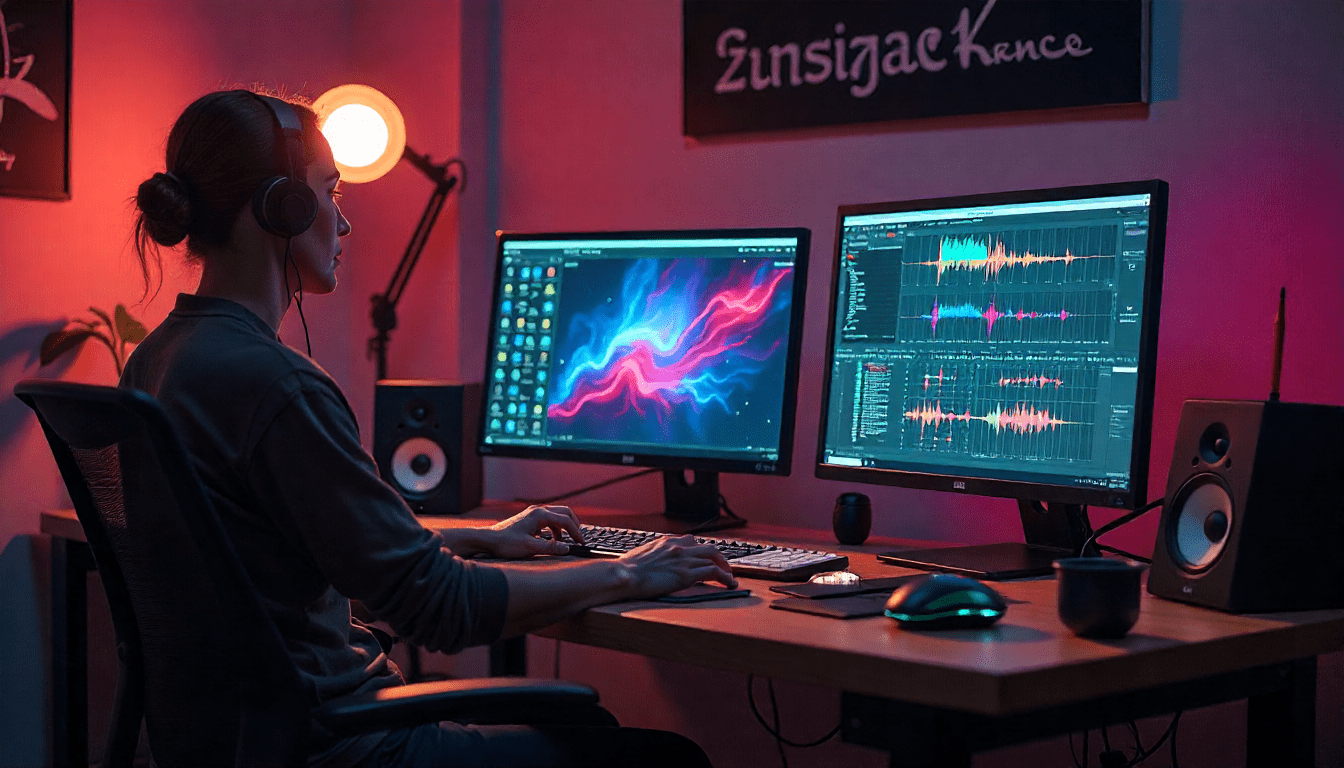
Artists, musicians, and filmmakers are finding new creative companions in AI. Tools like Runway, Suno, and Midjourney let creators generate visuals, sounds, and scripts in seconds. Rather than devaluing art, this technology is expanding it, democratising creation for those who once lacked resources or training.
AI-assisted creativity raises fascinating questions. Can art generated by algorithms carry emotion? Is originality even measurable when human intent collaborates with machine intelligence?
The answer might be simpler than we think. AI isn’t replacing creativity. It’s redefining how we express it.
What are the ethical problems with AI?
Every technology reflects its creators, and AI is no different. Machine learning systems learn from data, and if that data carries human bias, the system inherits it.
Facial recognition software has misidentified people of colour, and hiring algorithms have sometimes favoured men because of biased historical data. These errors aren’t technical flaws. They reflect systemic inequity embedded in data itself.
As AI becomes more embedded in decision-making, ethics must evolve alongside engineering. Transparency, accountability, and fairness can’t be afterthoughts. They must be design principles.

How is AI reshaping education?
Classrooms are being quietly revolutionised by AI. Adaptive learning systems personalise lessons based on each student’s performance. Virtual tutors help with homework in real time, and predictive analytics flag students at risk of falling behind.
Education is no longer about one-size-fits-all curriculums. It’s about customised learning journeys. The classroom of the future may not even have walls. It will exist on screens, in augmented reality, and through intelligent assistants that teach at your pace.
AI isn’t replacing teachers. It’s giving them superpowers.
What is a smart city, and how does AI run it?
The cities of the future will run on AI-driven infrastructure. Traffic lights that self-adjust to congestion, waste systems that track recycling rates, and buildings that monitor air quality, all powered by sensors and algorithms working in harmony.
AI is turning urban life into a living organism that learns, responds, and optimises continuously. But smart cities also face smart risks. Who owns the data? Who decides what’s “efficient”? The same systems that make cities smoother could also make them more surveilled.
Balancing innovation with privacy will be one of the defining challenges of the next decade.
What is emotional AI?
Artificial intelligence is learning to understand more than words. It’s learning to feel. Emotional AI, or affective computing, reads facial expressions, tone, and body language to detect mood.
This technology powers everything from virtual therapists to emotionally responsive gaming characters. It also raises ethical dilemmas. Should machines be allowed to interpret emotion? What happens when empathy becomes programmable?
Still, emotional AI sits at a frontier where data meets humanity. It’s a reminder that technology isn’t cold. It’s capable of warmth, if we teach it wisely.
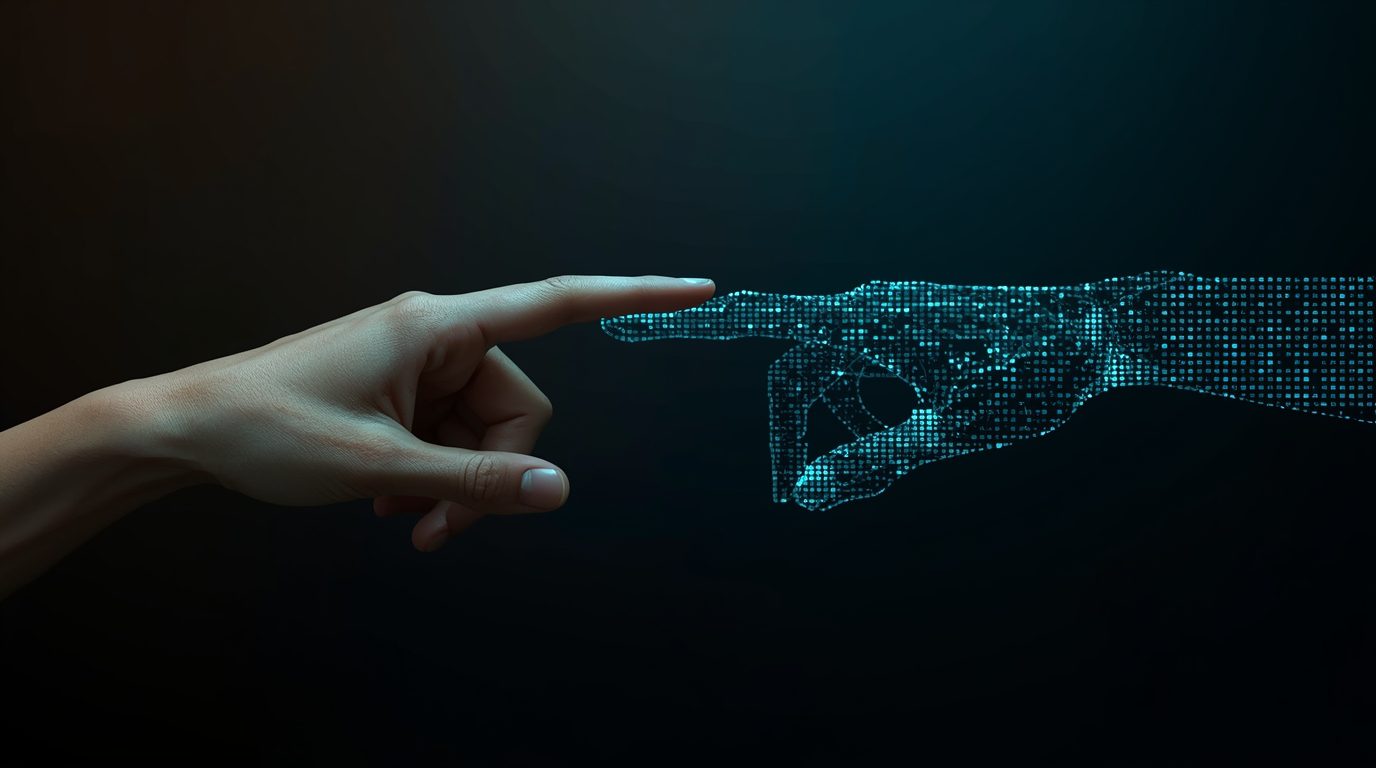
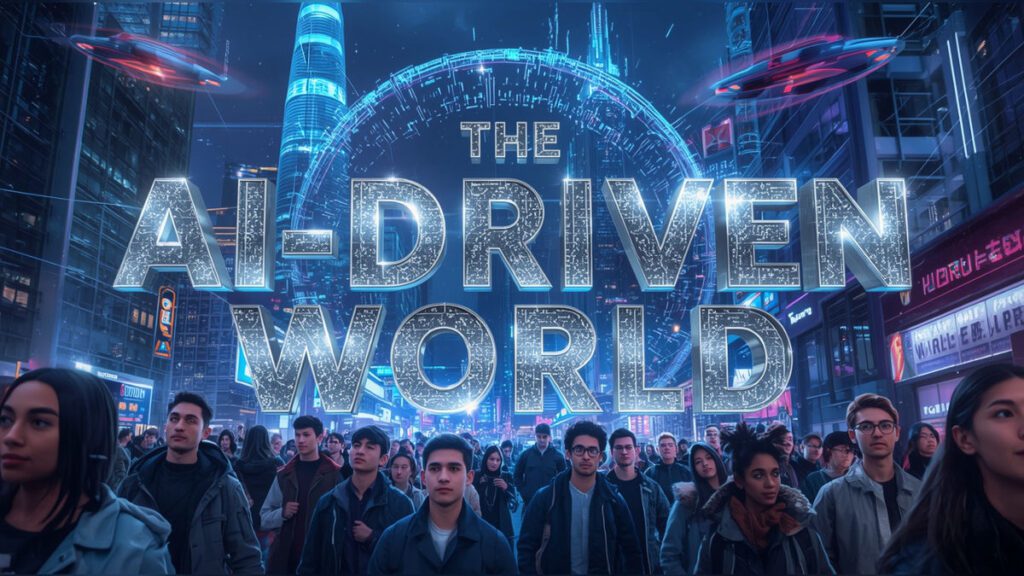
Can we stay human in an AI-driven world?
The question isn’t whether AI will dominate. It’s whether we’ll stay human in the process. As machines take over logic and pattern recognition, our advantage lies in emotion, ethics, and imagination, qualities that can’t be coded.
AI is reshaping how we live, but it’s also reflecting how we think. The danger isn’t machines becoming too smart. It’s humans becoming too mechanical.
The future will belong to those who can balance efficiency with empathy, automation with awareness, and intelligence with intention.
The quiet revolution around us
Artificial intelligence doesn’t always arrive with fanfare. Sometimes it’s the subtle shift, the recommendation that feels intuitive, the reply that saves time, the diagnosis that saves a life.
We’re living through a revolution so quiet it feels ordinary. One day we’ll look back and realise the world changed not with a bang, but with a suggestion from an algorithm that knew what we needed next.
FAQs about AI in everyday life
How is AI being used in India today?
In India, AI-driven screening programmes are helping rural clinics diagnose diabetic retinopathy in areas where specialists are scarce. AI also powers fintech, Netflix-style recommendations, Google Maps traffic prediction, and face unlock on millions of phones.
Which AI tools are creators actually using?
Runway, Suno, and Midjourney are among the most popular. Runway handles video and visual effects, Suno generates music, and Midjourney creates images. Together they let solo creators produce work that once needed full studios.
Is AI biased, and why does that matter?
Yes. Facial recognition has misidentified people of colour, and hiring algorithms have favoured men because the training data itself was biased. These aren’t bugs. They are systemic inequities embedded in the data AI learns from.
What is emotional AI or affective computing?
Emotional AI, also called affective computing, reads facial expressions, tone, and body language to detect mood. It powers virtual therapists, emotionally responsive games, and customer service bots that sense frustration.
Will AI take over my job?
AI is more likely to change your job than take it. Routine, repetitive tasks get automated, while humans shift toward creative, strategic, and empathetic work. People who learn to collaborate with AI tools tend to outperform those who ignore them.