
Short answer: Being unavailable is the new luxury because constant digital availability drains creativity and focus. A University of Virginia study found people who constantly check their phones report higher stress and lower emotional satisfaction. The antidote is selective presence: sacred hours, fewer notifications, and JOMO (the joy of missing out) instead of FOMO.
In a world where everyone is “always on,” the real rebellion is to switch off. We live in an era that glorifies availability, instant replies, endless notifications, and digital presence 24/7. But being constantly accessible drains creativity, peace, and purpose. The most valuable people today aren’t the ones always online. They’re the ones who know when to disappear.
This is the new luxury: time, space, and selective presence. It isn’t about isolation. It’s about intention. It’s about mastering the art of being unavailable.
Why is constant connection a myth?
Somewhere between work emails, group chats, and social media updates, we started believing that being reachable equals being relevant. We equate quick responses with reliability, and constant online presence with productivity. But here’s the paradox: the more connected we are, the less connected we feel.
A study from the University of Virginia revealed that people who constantly check their phones report higher stress levels and reduced emotional satisfaction. Hyper-availability isn’t helping us connect better. It’s making us anxious and distracted.
When everyone expects immediate attention, boundaries become radical. Saying, “I’ll reply when I can,” feels like rebellion. That’s exactly what the modern mind craves, a slower rhythm and deeper focus.
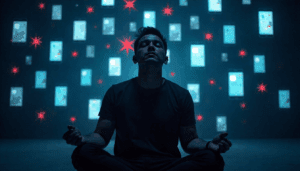
Why is slow time making a comeback?
We’re witnessing a quiet cultural shift. From “hustle harder” to “protect your peace,” the new generation is redefining what success looks like. It’s no longer about working non-stop. It’s about working with clarity.
Slow time, time without urgency, is where the best ideas are born. Writers, artists, and entrepreneurs have always known this. Innovation rarely happens in a rush. It happens in moments of quiet reflection. When you allow yourself to unplug, your brain shifts from reacting to creating.
Psychologists call this the “incubation period”, when your mind subconsciously processes problems while you rest, walk, or stare into space. It isn’t laziness. It’s cognitive renewal.
So when you step away from your phone or decline another Zoom invite, you aren’t disconnecting from life. You’re reconnecting with your inner rhythm.
What is selective presence?
Selective presence is the conscious choice to give your time and attention only where it truly matters. It’s the difference between being everywhere and being effective.
You don’t owe everyone your energy. You don’t have to answer every call or attend every event. The real strength lies in discernment, knowing when to engage and when to step back.
Think about the people who inspire you most. They’re rarely the ones constantly posting or replying to every message. They appear intentionally, bring value, and retreat to recharge. That’s the rhythm of sustainable influence, presence with purpose.
In practical terms, this could mean scheduling “no-phone hours,” practising “digital Sabbath” weekends, or setting boundaries like “no work texts after 8 PM.” These aren’t indulgences. They’re modern necessities.
Why is absence suddenly so attractive?
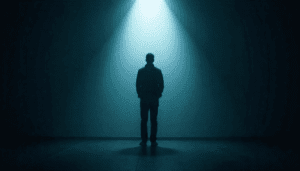
There’s something quietly powerful about not being available. In a culture obsessed with showing up online, absence becomes magnetic. It creates mystery, intrigue, and respect.
Minimalism isn’t about design. It’s a mindset, stripping away excess to highlight what matters. When you say no to constant access, you’re saying yes to quality attention, deeper relationships, and mental clarity.
Silence, once seen as uncomfortable, is now the new aesthetic. People crave conversations that aren’t interrupted by pings, days that don’t revolve around screens, and experiences that feel present rather than performed.
Being unavailable isn’t rude. It’s refined. It’s a quiet declaration that your time is sacred.
What is JOMO, and how is it replacing FOMO?
The internet taught us to fear absence. FOMO, the fear of missing out, drove us to check our phones compulsively, scared we’d miss an update, a meme, or a moment. A new mindset is emerging: JOMO, the joy of missing out.
JOMO is the confidence that you’re exactly where you’re supposed to be. It’s the relief of not needing to keep up. It’s finding peace in your own timeline rather than chasing someone else’s.
Imagine watching a sunset without posting it, attending a party without recording it, or taking a weekend offline without guilt. That’s JOMO, and it’s becoming a quiet revolution among those tired of digital noise.

How do you practise the art of being unavailable?
Create sacred hours. Designate blocks of time every day when you’re unreachable. Use that space to read, walk, or think.
Curate your circle. You don’t need to respond to everyone. Prioritise meaningful connections over surface-level chatter.
Silence the noise. Turn off non-essential notifications. Your attention is currency, spend it wisely.
Embrace slow tech. Use tools that encourage mindfulness, like focus apps or minimal interfaces.
Reclaim your weekends. Try “digital detox days.” No screens, no feeds, just real life.
The point isn’t to vanish. It’s to be intentional about your presence. When you protect your attention, you protect your peace.

What is the future of presence?
The next wave of lifestyle culture won’t be about more apps or faster communication. It’ll be about designing lives that leave space for stillness. The future belongs to those who balance digital engagement with emotional depth.
Brands, creators, and individuals who understand this will shape the next era, one defined not by noise, but by nuance. In a hyperconnected world, attention will remain the most expensive currency. The art of being unavailable will be its purest form of wealth.
The luxury of less
Being unavailable isn’t about rejection. It’s about respect, for your time, your mental health, and your creative energy. It’s choosing depth over distraction, stillness over speed.
The next time you feel guilty for not replying instantly, remember this: silence isn’t absence. It’s alignment. Protecting your time isn’t selfish. It’s self-sustaining.
So log off. Step outside. Let the world wait for a moment. The future isn’t calling. It’s whispering. And it speaks most clearly when you’re finally quiet enough to listen.
FAQs about being unavailable
What does it mean to be “selectively present”?
Selective presence is consciously choosing where to spend your time and attention. Instead of responding to everything, you show up fully for the people and work that matter, and pull back from surface-level demands on your energy.
Is FOMO worse than JOMO for mental health?
FOMO, the fear of missing out, drives compulsive phone-checking and anxiety. JOMO, the joy of missing out, is the opposite: the relief of sitting out without guilt. Studies on phone use, including from the University of Virginia, link constant checking to higher stress and lower satisfaction.
How do I set digital boundaries without seeming rude?
Be direct and consistent. Try “no work texts after 8 PM,” a digital Sabbath day, or sacred morning hours. Communicate your windows once, then honour them. Most people adapt quickly when your availability is predictable rather than unreliable.
What is a digital Sabbath?
A digital Sabbath is a regular, usually weekly, day or stretch where you stay off screens and feeds. No social media, minimal phone use, no work inbox. The goal is to reset attention and reconnect with offline life.
Does being less available actually help my career?
Yes, for most creative and strategic work. Slow time is when ideas incubate. The people who deliver their best work usually protect blocks of focused, uninterrupted time instead of being always-on for every ping.