Short answer: Slow living is the deliberate choice of depth over speed, presence over productivity. It is not about moving slowly, it is about moving with purpose, backed by neuroscience, minimalism and rituals, and in 2025 it feels like quiet rebellion against burnout culture.
The world moves faster than ever. Notifications never stop, trends shift daily, and even rest has become something we try to schedule. We scroll through life at the speed of the algorithm, yet somehow, still feel behind.
In this constant rush for more, more achievement, more experiences, more everything, we have lost something simple but vital: stillness. Slow living isn’t about moving at a snail’s pace; it is about moving with purpose. It is the act of choosing depth over speed, presence over productivity. In 2025, that is starting to feel like rebellion.
What is the slow living movement?
The slow living movement began as a reaction to burnout culture. From “quiet quitting” to digital detoxes, people everywhere are re-evaluating the cost of constant motion.
Social media glamorised the hustle, but it also exposed its emptiness. Influencers who once promoted 18-hour workdays are now preaching balance, mindfulness and mental peace. This shift reflects a broader cultural awakening: success isn’t about how much you do, but how fully you live while doing it.
Slow living asks one question: what if peace is the real productivity?
What is the science of slowing down?
Modern neuroscience supports what ancient wisdom already knew, slowing down improves your mental and physical wellbeing.
When you pause, your brain moves from high-alert beta waves into calmer alpha states, associated with creativity, clarity and focus. Your nervous system shifts from “fight or flight” to “rest and digest.” In short, when you slow down, you don’t lose progress, you gain perspective.
This physiological truth explains why ideas often come in the shower or during a walk, not while staring at a screen. The brain needs stillness to make sense of chaos.
How do you practise mindful living in the digital age?
Technology was meant to simplify life, but it often amplifies anxiety. Constant exposure to screens overstimulates the mind and fragments attention.
Practising mindfulness in the digital age means setting boundaries, intentionally disconnecting to reconnect. It means using devices consciously, not compulsively.
Simple habits help: silencing notifications for an hour, taking phone-free meals, or walking without earbuds. These tiny pauses reintroduce the space we have lost. Mindfulness isn’t anti-technology. It is about reclaiming control from the constant pull of distraction.
How does slow living redefine success?
We have long equated success with speed, the faster you climb, the more accomplished you are. The slow living philosophy challenges that.
True success isn’t about how quickly you reach your goals; it is about whether you enjoy the journey. This redefinition is reshaping entire industries. Minimalism, sustainable fashion and wellness tourism are all rooted in the same principle: intentional living. People aren’t chasing luxury anymore; they are chasing peace.
Slowing down doesn’t mean giving up ambition, it means giving your ambition room to breathe.
How does the minimalist mindset connect to slow living?
Slow living often overlaps with minimalism, the art of owning less to experience more. Minimalism isn’t about white walls or empty spaces; it is about clarity. It is choosing objects, routines and people that add meaning, not noise.
Decluttering your environment declutters your mind. Every unnecessary possession carries mental weight. When you simplify, you make space for creativity, rest and connection. The minimalist mindset says: your worth isn’t in what you accumulate, but in what you choose to let go of.
Why are rituals returning to daily life?
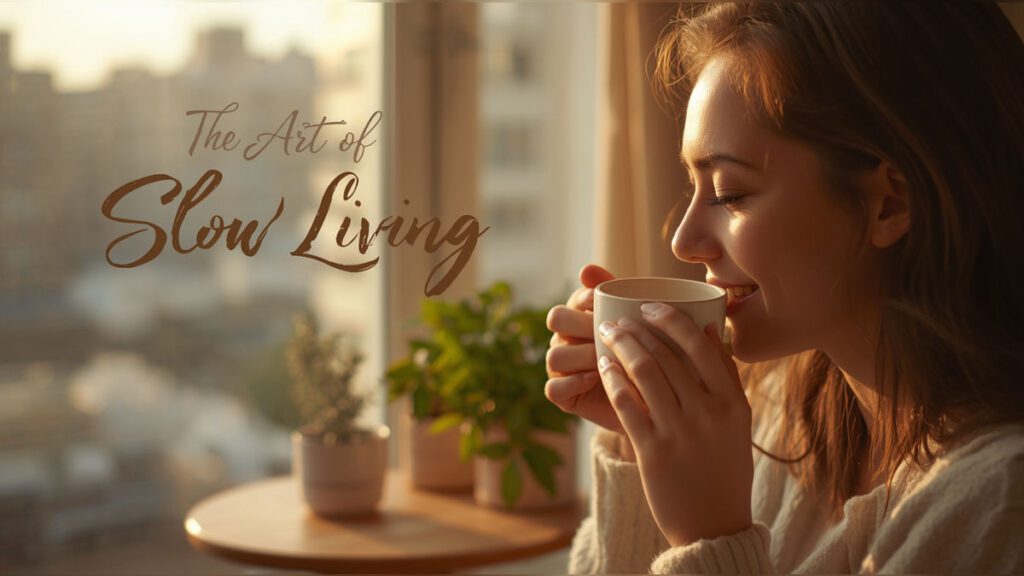
Rituals give rhythm to slow living. They transform ordinary moments into mindful experiences, a morning coffee, a journal session, a walk at sunset.
These simple acts anchor us in the present. They remind us that life isn’t a checklist; it is a collection of moments worth noticing. In cultures worldwide, from Japanese tea ceremonies to Mediterranean siestas, slowness isn’t laziness; it is wisdom. Rituals slow time down, reminding us that meaning lives in the details.
What is the Slow Food Revolution?
The most famous branch of slow living began with food. The “Slow Food Movement,” born in Italy, was a rebellion against fast food culture, a call to savour, not rush.
That philosophy now extends far beyond the kitchen. It is about sourcing consciously, cooking with intention and sharing meals without screens. When you cook slowly, you engage every sense. You reconnect with nourishment, not consumption.
Food becomes not just sustenance, but storytelling, a reminder that time, patience and love are the real ingredients of joy.
How does nature teach us to slow down?
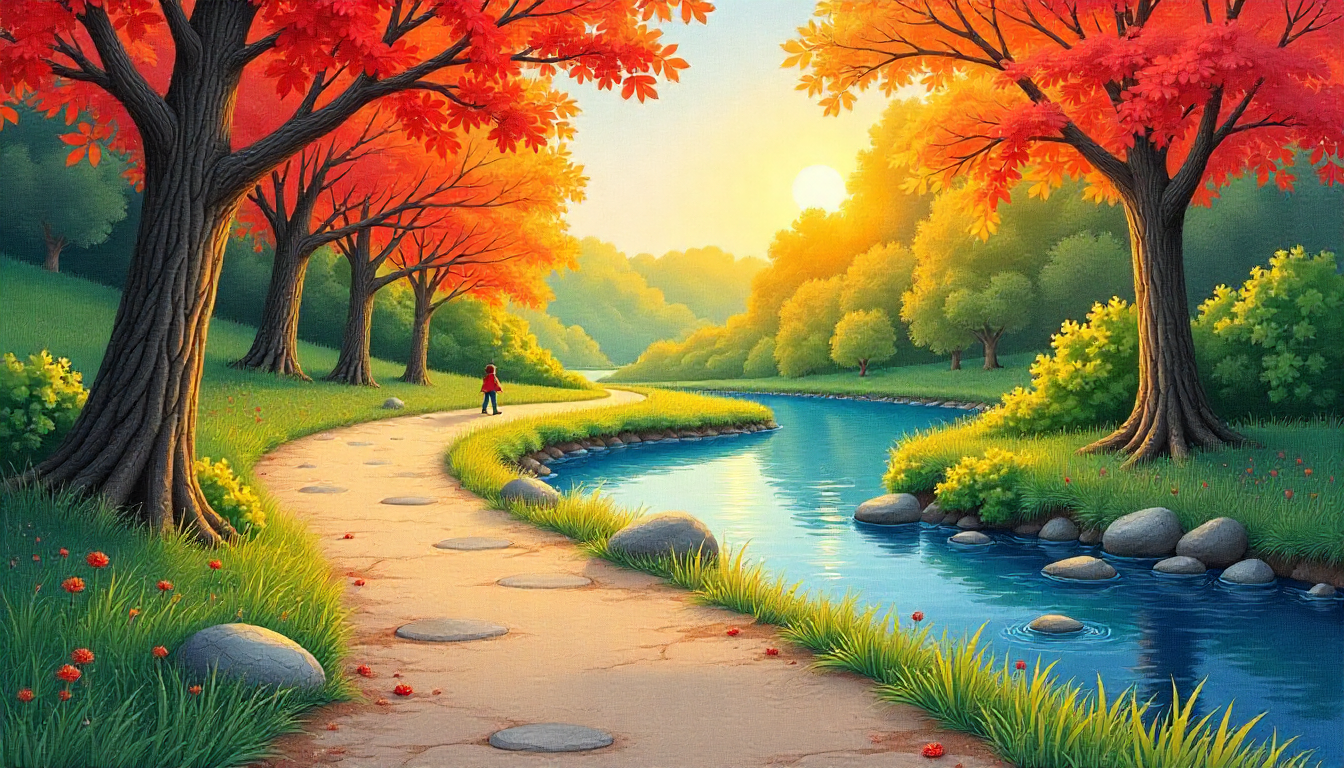
Nature doesn’t rush, yet everything gets done. Seasons shift, rivers flow, and life renews itself effortlessly.
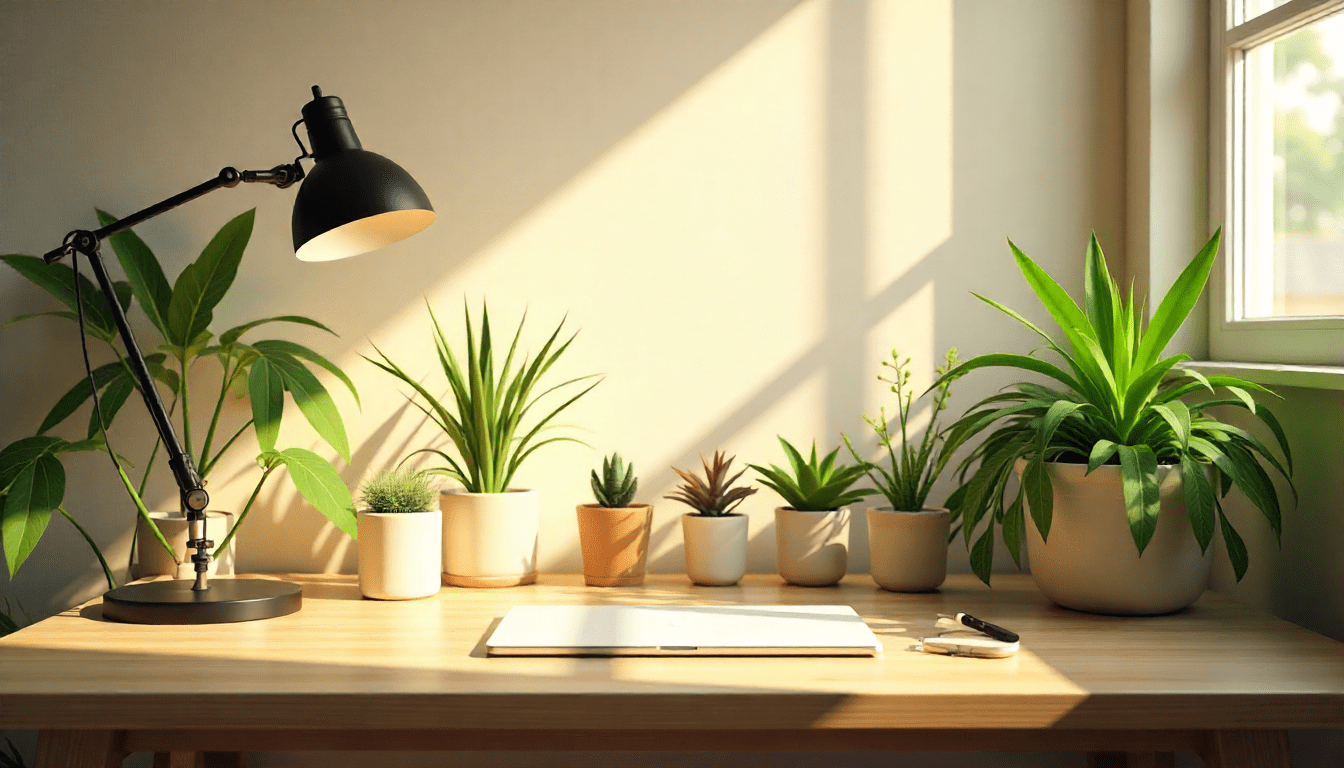
The closer we move to natural rhythms, the more balanced we become. A walk in the park, time in the sun, or even growing a small plant can recalibrate your nervous system. Ecopsychologists call this “biophilic restoration,” the healing that happens when we return to nature’s tempo.
In slowing down, we rediscover our place in the larger pattern of life.

What are the real challenges of slow living?
Choosing slow living in a fast world isn’t easy. Society rewards speed, quick responses, fast success, instant results. Slowing down can feel countercultural, even guilty.
The key is integration, not isolation. Slow living doesn’t mean escaping the world, it means engaging with it more intentionally. It is finding balance between productivity and peace, ambition and awareness. It is not about doing nothing; it is about doing with presence.
Why is slow living the beauty of enough?
Slow living isn’t about having less time, it is about having more life in your time. It is an invitation to stop racing and start noticing. To trade noise for nuance. To realise that every breath, every moment, is enough if you are truly there to feel it.
In a world obsessed with acceleration, slowing down isn’t weakness, it is wisdom. When you finally stop rushing, you realise: you were never behind. You were just missing here.
FAQs about slow living
What is slow living?
Slow living is a lifestyle that chooses depth over speed and presence over productivity. It doesn’t mean doing everything slowly; it means doing what matters with intention, rhythm and attention, rather than reacting to every notification and deadline.
Does slowing down really help the brain?
Yes. Pausing shifts the brain from high-alert beta waves into calmer alpha states linked to creativity, clarity and focus, while the nervous system moves from fight-or-flight into rest-and-digest. That is why your best ideas often arrive in the shower or on a walk.
How is slow living different from laziness?
Laziness avoids effort. Slow living chooses where effort goes. It keeps ambition but refuses burnout, pairing focused work with rituals, rest and minimalism so progress feels sustainable instead of frantic.
Where did the slow living movement come from?
Its most famous branch is the Slow Food Movement, born in Italy as a rebellion against fast food culture. From food, the philosophy spread into fashion, work, travel and daily rituals, feeding today’s broader slow living, minimalism and wellness trends.
How do I start practising slow living?
Start with one mindful ritual: a phone-free meal, a screen-free walk, a morning coffee without scrolling. Add simple boundaries like silenced notifications, declutter one space, and measure days by presence and alignment, not just tasks completed.