Short answer: The burnout generation is Gen Z and young millennials pushing back on hustle culture. Rest, boundaries and digital detox are being reframed as self-respect, not laziness, backed by 4-day workweek experiments, mental-health-first athletes like Naomi Osaka and Simone Biles, and a wider cultural reset around productivity.
We live in an age that glorifies busyness. Social feeds scream productivity: side hustles, fitness grinds, study sessions, 5 a.m. wake-ups. It has become a badge of honour to say, “I’ve been so busy lately.” Underneath the motivational quotes and endless coffee cups sits a quiet crisis: burnout.
For young adults, burnout has moved from buzzword to shared reality. The same generation that champions self-care online often struggles to practise it offline. The pressure to always be doing something has blurred the line between ambition and exhaustion.
How does burnout creep in?
Burnout does not arrive overnight. It starts subtly — longer hours, skipped meals, sleepless nights justified as “grind time.” Then energy fades, creativity dies, and even small tasks feel impossible. It is not tiredness. It is emotional depletion.
Digital life fuels it. Notifications, emails and social comparisons keep the mind running long after work ends. We are living in a loop of digital fatigue disguised as dedication.
Why is Gen Z saying no to hustle culture?
The youngest working generation is the first to call it out. Gen Z is not buying the old “work till you drop” mentality. They are rejecting toxic productivity and redefining what success looks like.
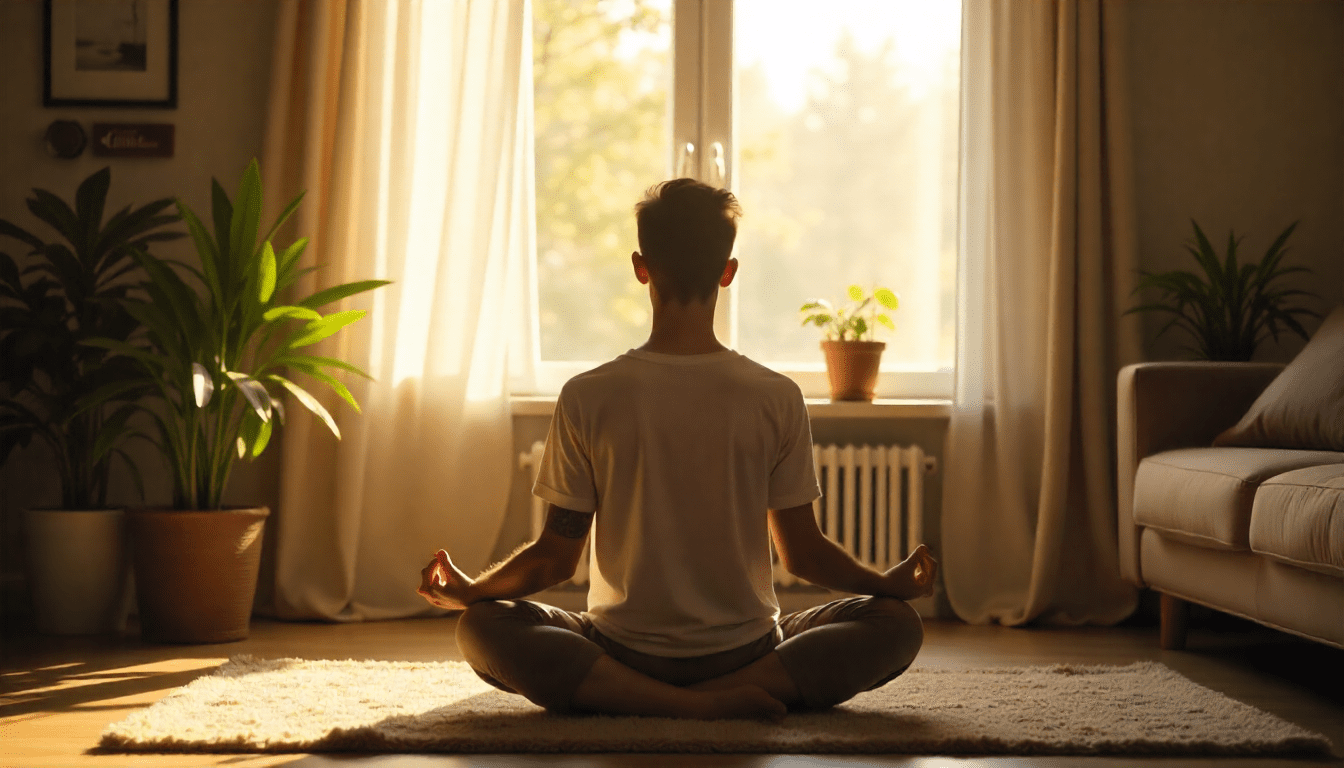
To them, rest is not laziness. It is resistance. Taking a break, setting boundaries or saying “no” to constant hustle has become a form of self-respect. Wellness has moved beyond yoga sessions and green juices to psychological safety and emotional sustainability.
What is driving the rise of rest culture?
On TikTok and Instagram, “restfluencers” — creators who promote slow living, mental health check-ins and balance — are gaining traction. They remind followers that recovery is part of growth.
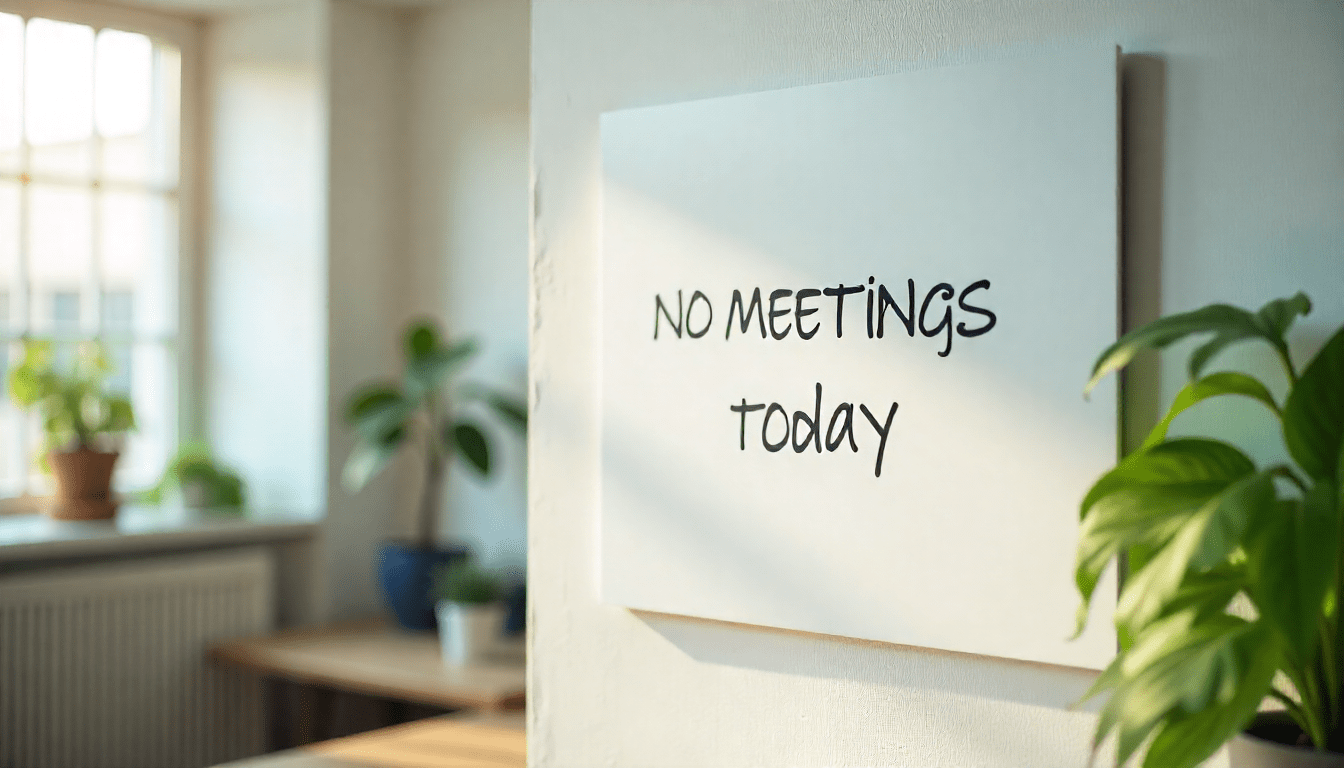
Workplaces are catching up. Companies are experimenting with 4-day workweeks, mental health leaves and no-meeting days. It is not only about kindness. It is about productivity. Studies show employees who rest well perform better, think creatively and stay longer.
The global sports world mirrors the shift. Athletes like Naomi Osaka and Simone Biles openly put mental health above medals. It is a cultural reset, proof that pausing is wisdom, not weakness.
Why is digital detox becoming the new luxury?
Peace has become the new luxury. Escaping screens for a few hours feels radical in a hyperconnected age. Digital detox retreats, phone-free Sundays and offline hobbies are trending because people crave silence as much as success.
The new wellness trend is not about adding more to your life. It is about subtracting what drains you. Simplifying routines, decluttering social media and setting tech boundaries are small but powerful steps toward balance.
Why rest is revolutionary
The burnout generation is finally learning that rest is not an obstacle to ambition. It is what sustains it. Productivity without peace is just pressure.
Taking care of your mental and emotional health is the most powerful act of self-leadership. In a world that rewards constant motion, choosing stillness is the real power move.

FAQs about the burnout generation
What does “burnout generation” mean?
It refers to Gen Z and young millennials who grew up inside hustle culture and now face widespread emotional exhaustion. The term captures both the fatigue and the pushback against it.
How do you know if you’re burnt out and not just tired?
Burnout shows up as emotional depletion rather than physical tiredness. Creativity drops, energy fades, and even small tasks feel impossible, often after long stretches of overwork and digital overstimulation.
Why is Gen Z rejecting hustle culture?
Gen Z sees rest as self-respect, not laziness. They set boundaries, say no to constant hustle, and demand psychological safety and emotional sustainability at work rather than grinding at all costs.
Do 4-day workweeks actually boost productivity?
Studies cited by companies trying it show that employees who rest well perform better, think more creatively and stay at jobs longer. It reframes rest as a productivity tool, not a perk.
What is a digital detox?
A digital detox means deliberately stepping away from phones and screens through practices like phone-free Sundays, offline hobbies or detox retreats. It is meant to break the loop of notifications and social comparison that fuels burnout.