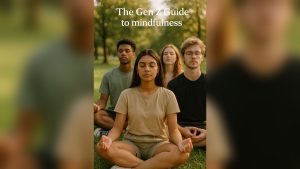

Short answer: The quiet rivalry between progress and pause is not a rejection of ambition. Gen Z and Millennials are renegotiating their relationship with technology, rest and speed, recognising that progress without breath becomes burnout disguised as ambition.
There is a strange tension woven into modern life, an invisible tug-of-war between our hunger for progress and our forgotten need for pause. Technology promises acceleration, efficiency, instant gratification. Beneath the speed, Gen Z and Millennials have started asking a different question, one that feels quietly rebellious:
“What if faster isn’t the point anymore?”
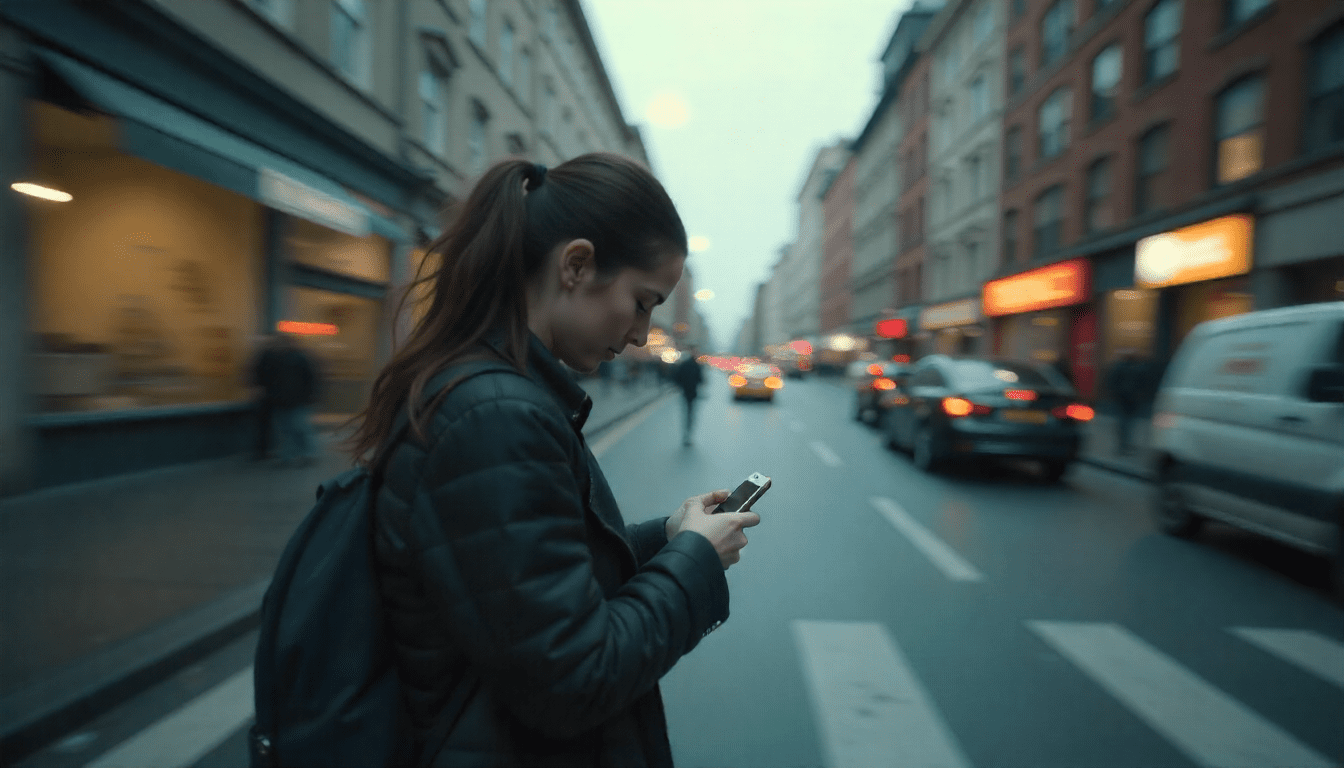
We grew up with glowing screens, rapid connection, and an evolving world where everything feels urgent. Notifications became conversations. Conversations turned into scrolling. And scrolling became a rhythm so familiar that silence now feels like static. Lately, something is shifting. More of us are stepping back, not because we are tired of technology, but because we are learning to renegotiate our relationship with it.
This is not a rejection of innovation. It is a rebalancing. It is the realisation that progress without breath becomes burnout disguised as ambition.
Why does the body know burnout before the mind does?
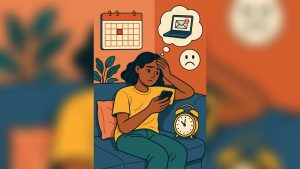
You know the feeling. The kind that shows up before logic can explain it. Your chest tightens when the emails pile up. Your thoughts scatter when your phone lights up with another message you do not have the emotional bandwidth to answer. Your shoulders ache from carrying expectations you never consciously agreed to.
Modern overstimulation is not loud, it is constant. And constancy slowly becomes invisible until one day it is not. For many, burnout did not arrive as a dramatic collapse. It came quietly. As cloudy thoughts. As lost enthusiasm. As the inability to feel genuinely excited about things that once sparked joy.
Wellbeing is not the absence of illness, it is the presence of space. Space to think. Space to feel. Space to exist without performing for productivity metrics or social expectations. Sometimes the most radical act in a world of acceleration is slowing down long enough to hear your own thoughts again.
How do we relearn how to be human?
We have been conditioned to measure our worth in outcomes: grades, job titles, steps counted, hours worked, messages responded to. We are not machines. Humans unfold. We ebb and flow. We grow unevenly.
There is something deeply human about boredom, slowness and solitude. Not the scrolling-in-bed-trying-to-escape kind, but real solitude. The kind where the world does not need anything from you. In these pauses, creativity returns, not as a task but as curiosity.
You start noticing again. The distant hum of the evening. The rhythm of your breath. The way sunlight feels heavier at the end of the day. Self-awareness does not arrive through output. It arrives through presence.
Why is rest not a reward?
One of the quiet tragedies of our generation is how rest became something we feel we must deserve. Sleep became negotiable. Breaks required justification. Days off felt like guilt rather than healing.
Rest is not a prize. It is a baseline. The world is finally beginning to understand that wellbeing is not a luxury, it is infrastructure. Emotional, physical, mental, spiritual, each part requires tending. Healing is not linear. Growth is not constant. Life is not meant to be optimised like code.
What does a new definition of success look like?
Maybe the next era of progress will not be about speed, scale or automation. Maybe it will be about:
- Sustainability over sprinting
- Depth over quantity
- Purpose over performance
- Awareness over autopilot
Technology is not the enemy, it is the amplifier. What it amplifies reflects who we are becoming. The question shifts from “How do we keep up?” to “What are we rushing toward, and is it worth it?”
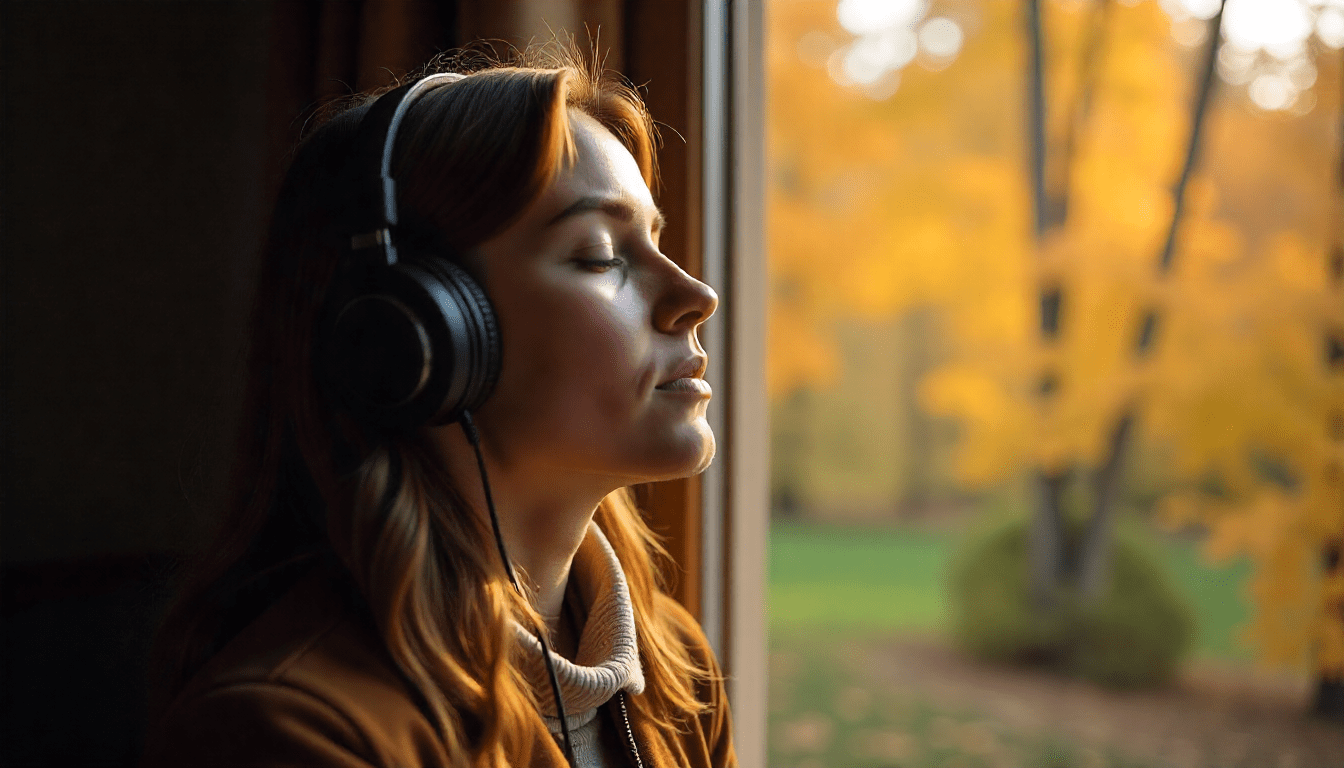
What is the soft future emerging in culture?
There is a growing softness emerging in culture, not weak, not passive, but intentional. A softness that chooses aligned over rushed, thoughtful over reactive. It looks like slower mornings. Digital boundaries. Unapologetic rest. Breathing before replying. Doing things because they feel meaningful.
The future is not only wired, it is human. Maybe the quiet rivalry between progress and pause is not a rivalry at all. Maybe it is a reminder that evolution is not linear, it is rhythmic. We grow. We pause. We expand again. Like breath.

FAQs about progress and pause
What is the rivalry between progress and pause?
It is the tension between the pressure to keep moving, producing, optimising, and the quieter human need to rest, reflect and reconnect. Pause is not the opposite of progress. It is what makes progress sustainable.
Why is Gen Z rejecting hustle culture?
Gen Z saw hustle culture promise success and deliver burnout. Stepping back from endless productivity is not laziness, it is a rebalancing. The new aspiration is sustainability, depth, purpose and awareness instead of speed at any cost.
How does burnout show up physically?
Burnout often arrives quietly: tight chest when emails pile up, scattered thoughts, aching shoulders, cloudy thinking, lost enthusiasm, inability to feel excited about things that once sparked joy. The body knows before the mind names it.
Is rest really productive?
Rest is not the opposite of productivity, it is the infrastructure under it. Creativity, judgement and emotional regulation all depend on recovery. Treating rest as a reward keeps burnout in the cycle, treating it as a baseline breaks it.
How do I start slowing down without quitting my job?
Begin small: digital boundaries, slower mornings, breathing before replying, protected time for things that feel meaningful. You do not need a sabbatical to pause. You need consistent permission to not be available every minute.