
Short answer: India’s Gen Z is the next consumer gold rush. Global brands like Peet’s Coffee, German Doner Kebab, Rare Beauty, Lululemon, KITH, MUJI, and HAY have a clear opening — young Indians are digitally fluent, globally aware, and ready to spend on coffee, beauty, athleisure, streetwear, and design-led lifestyle.
India isn’t growing. It’s accelerating.
With over 1.4 billion people and one of the youngest populations in the world, India has become the most exciting consumer playground for global brands. The median age hovers around 28, and Gen Z — those born roughly between 1997 and 2012 — are shaping purchasing trends across fashion, food, beauty, and lifestyle. They are digitally fluent. Hyper-aware. Globally connected. And they are not waiting.
According to a report by Ahmedabad Mirror, nearly one-third of India’s online shoppers are under 25. That statistic signals something powerful: the next decade of brand growth will be decided by young Indians.
Despite the presence of global giants like Starbucks and Zara, several influential international brands are either absent, underrepresented, or late to the Indian market. Here are the global brands that should seriously consider entering India, and why Gen Z is ready for them.
Which coffee brand should enter India next?
Walk into any urban Indian neighborhood today and you’ll see cafés packed with students on laptops, influencers filming reels, and young professionals discussing start-ups. 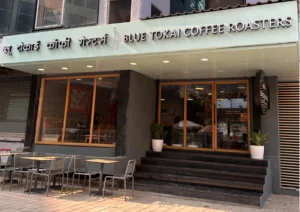 Coffee is no longer a beverage. It’s a backdrop.
While Starbucks and local players like Blue Tokai have grown steadily, India still lacks a deeply story-driven craft coffee chain like Peet’s Coffee. Peet’s is known globally for its premium sourcing, darker roasts, and community-first café experiences. For Gen Z consumers who romanticise “third-wave” coffee culture and Instagrammable interiors, Peet’s could introduce a refined alternative that feels less corporate and more artisanal.
I’ve noticed how young Indians now discuss tasting notes — citrus, caramel, smoky undertones — the way older generations once debated tea blends. The appetite for specialty coffee is here. The infrastructure is ready. The timing feels right.
How is Gen Z reshaping India’s fast-casual food market?
Indian Gen Z eats globally. Sushi on Fridays. Korean ramen on Sundays. Tacos midweek.  Yet premium kebab-style fast casual remains underdeveloped. That’s where German Doner Kebab comes in.
With a strong European presence and modern dine-in aesthetics, GDK blends tradition with global appeal. Reuters recently reported its India entry plans, highlighting adaptations to suit local dietary preferences.
The Indian fast-food market is projected to cross $30 billion by the end of the decade. Gen Z’s demand isn’t only for affordability — it’s for novelty. Brands that offer something familiar yet internationally packaged often win.
Which beauty brands does Indian Gen Z want next?
Beauty is where unmet demand is most visible.  Indian Gen Z is obsessed with skincare routines, ingredient transparency, and inclusive shade ranges. TikTok and Instagram tutorials have globalised beauty standards, yet several beloved brands remain officially unavailable.
Rare Beauty, founded by Selena Gomez, is one example. Known for its mental-health-positive messaging and natural-finish makeup, Rare Beauty aligns with Gen Z’s emphasis on authenticity and emotional transparency.
Brands like Milk Makeup and Rhode dominate global social feeds but rely on resellers or grey markets in India. The Indian beauty industry is expected to grow at over 10% annually in the coming years. Gen Z consumers are not brand-loyal in the traditional sense — they are value-loyal. They seek cruelty-free, vegan, and ethically produced products. The opportunity is massive.
Why is Lululemon a strategic fit for India’s wellness boom?
Fitness in India is no longer limited to gyms. It’s yoga retreats, pilates studios, marathon communities, and mental wellness workshops.  Which is why Lululemon makes strategic sense.
Reports from The Economic Times suggest that Lululemon may enter India soon through partnerships. If executed thoughtfully, this could reshape premium athleisure.
Gen Z doesn’t separate fashion from function. They want leggings that work in yoga class and look stylish at brunch. They are willing to invest in quality when it aligns with lifestyle identity. India, ironically the birthplace of yoga, lacks a dominant premium yoga-wear narrative. Lululemon could bridge that gap — if pricing and localisation are handled intelligently.
What streetwear brands should launch in India?
Sneaker drops in India now sell out in minutes.  Young consumers follow global releases from Supreme and Bape despite limited availability. The hype ecosystem exists — resale groups, sneaker conventions, Discord communities. But access is fragmented.
Brands like KITH or premium collections from New Balance remain underexposed locally. Streetwear is no longer niche. It is the uniform of Indian college campuses. The brand that builds community, not just stores, will dominate.
Which lifestyle and interior brands can tap Gen Z’s aesthetic shift?
Gen Z rents differently. Apartments are smaller but more curated. Pinterest boards translate into real-life decor.  While IKEA has entered India selectively, brands like MUJI and HAY could tap into minimalist urban living trends.
Young Indians increasingly value design over excess. Clean lines. Neutral tones. Functional storage. These preferences are visible across Instagram reels and home tours. Lifestyle branding is no longer elite. It’s aspirational yet accessible.
What makes Indian Gen Z different from Western youth?
India’s Gen Z is not a carbon copy of Western youth. They are price-sensitive yet brand-aware. Tradition-conscious yet globally curious. Deeply digital yet socially rooted.
Platforms like Myntra and Amazon have reduced entry barriers for global brands. Direct-to-consumer models allow testing without massive infrastructure investment.
Tier-2 and Tier-3 cities are driving growth. The next big consumer boom won’t come solely from Mumbai or Delhi. It will emerge from Indore, Jaipur, Coimbatore, and Lucknow. That’s where untapped potential lies.
What do Indian Gen Z shoppers actually want from global brands?
During a recent conversation with a 21-year-old fashion student in Bengaluru, she told me something striking: “We don’t want what our parents wanted. We want what the world is talking about.”
That sentence captures the generational shift. Indian Gen Z doesn’t wait for trends to trickle in. They access them instantly online. If brands don’t enter officially, grey markets will fill the gap.
Why should global brands move on India now?
India’s Gen Z isn’t a demographic statistic. It’s a cultural force. They influence family purchases. They set digital narratives. They adopt and amplify quickly.
For global brands evaluating expansion, India is not another emerging market. It is a dynamic, high-growth ecosystem where youth culture, technology, and aspiration converge.
The brands that succeed will not open stores alone. They will build communities. They will localise without diluting identity. They will respect cultural nuance. The question isn’t whether India is ready. It’s whether global brands are ready for India’s Gen Z. If they hesitate too long, someone else will take their place.
FAQs about global brands entering India’s Gen Z market
Which global coffee brand should enter India next?
Peet’s Coffee is a strong candidate. It offers premium sourcing, darker roasts, and community-first café experiences that fit India’s growing third-wave coffee culture, especially among Gen Z consumers.
Is Rare Beauty officially available in India?
Not at full scale. Indian fans of Rare Beauty, Milk Makeup, and Rhode often depend on resellers or grey-market imports. Official launches would likely see strong demand given Gen Z’s interest in inclusive, cruelty-free beauty.
When is Lululemon launching in India?
Reports from The Economic Times suggest Lululemon may enter India through partnerships. A formal launch date hasn’t been confirmed, but the brand fits the country’s growing premium athleisure and wellness demand.
Why are Tier-2 and Tier-3 Indian cities important for global brands?
Much of India’s future consumer growth will come from cities like Indore, Jaipur, Coimbatore, and Lucknow. Gen Z shoppers in these cities are digitally connected, globally aware, and rapidly adopting international trends.
How much is the Indian fast-food market worth?
The Indian fast-food market is projected to cross $30 billion by the end of the decade, driven by Gen Z’s appetite for global cuisines and novel formats like premium kebabs, Korean food, and specialty sandwiches.