
Short answer: Gen Z online learning works best when you treat it like a craft, not a backup plan. Pick self-paced courses on platforms like Coursera, edX and Skillshare, mix formats (video, audio, mobile), join study tribes, and protect your mind with Pomodoro breaks and digital detoxes.
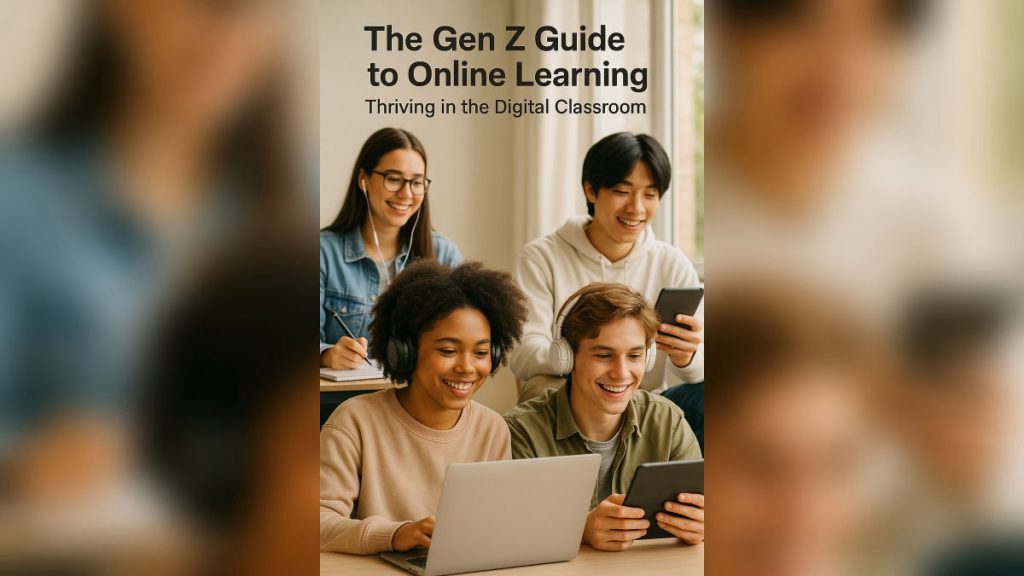
Online learning isn’t just a pandemic-born necessity anymore. It’s a full-fledged educational revolution, and no generation is more primed to embrace it than Gen Z. Born into a world of smartphones, smartboards and streaming content, this digital-native cohort gravitates toward learning that’s flexible, interactive and tech-driven.
But thriving in online education takes more than logging into a Zoom lecture with headphones on. To really succeed, Gen Z learners need to be strategic, self-aware and proactive. Here’s a working guide for navigating online learning the efficient, enriching, burnout-free way.
How can Gen Z personalize online learning without compromise?
Make Self-Paced Learning Your Superpower
One of the biggest gifts of online learning is autonomy. You’re no longer bound by rigid 9-to-5 class schedules. Binge a course like a Netflix series. Or stretch it across weeks if that suits you better.
Platforms like Coursera, edX and Skillshare let you learn when your energy peaks, whether that’s late at night or 6am. The flexibility honours your natural rhythm and turns learning from chore to choice.
Align Courses with Your Interests and Career Goals
Gone are the days when students chased degrees blindly. Gen Z is different. You’re curious, value-driven, and career-conscious in ways your parents weren’t.
So whether you’re aiming to be a UX designer, climate scientist or digital marketer, choose courses that feed your curiosity and build job-ready skills. Want to learn about ethical AI or sustainable fashion? There’s a course for that, and likely an internship that follows.
Prioritize Practical Over Theoretical
Let’s be real: reading a 40-page PDF doesn’t hold a candle to solving an actual problem. Look for online programs that ship case studies, portfolio projects, simulations and industry-backed certifications. They sharpen learning and they push your employability up a notch.
“I got my first freelance gig because of a website I built during an online course project,” says Aditi, a 20-year-old computer science student from Mumbai. “Theory’s important, but showing what you can do is the real game-changer.”
How does technology help (and hurt) online learners?
Explore Formats That Match Your Learning Style
Visual learner? You’ll live for diagrams and animations. Or maybe you’d rather pipe lectures into your ears while walking. Online learning has something for everyone, video tutorials, podcasts, infographics, interactive coding environments. Experiment. Find your sweet spot. Mix and match to keep boredom out of the room.
Use Mobile Learning to Maximize Time
Turn scroll time into study time. Apps like Duolingo, Khan Academy and Google Primer make it easy to learn on the go (commuting, queuing for chai, lounging at home). Even 15-minute bursts compound into serious knowledge over a few months. Give or take.
Dive into Next-Gen Learning: AI, VR, and AR
Welcome to the era of intelligent learning. Platforms like Moodle and Knewton use AI to adapt lessons based on your progress, falling behind in a module triggers easier examples, acing it ramps the difficulty. The system meets you where you are.
Some fields, medicine, architecture, engineering, are also folding in VR/AR simulations to give learners immersive, real-time experience. Imagine dissecting a virtual heart or walking a 3D city plan from your bedroom in tier-2 India. Wild, isn’t it.
Why does community still matter when you learn alone?
Make Learning Interactive
Gen Z thrives on engagement. Passive lectures? Not your thing. Use quizzes, drag-and-drop tasks and coding sandboxes to turn content into action. Many platforms gamify the experience with badges and leaderboards, fuel for the competitive streaks.
Build Study Tribes and Learning Communities
Online learning doesn’t have to be solitary. Join course forums, Reddit threads or Telegram study groups. You’ll find peers struggling with the same calculus problem, or someone who just discovered a shortcut that could save you hours.
Study buddies hold you accountable, share notes, and sometimes turn into lifelong collaborators. I’ve watched it play out in a few college WhatsApp groups, the ones that stay alive long after the semester ends.
Apply It in the Real World
Theory only gets you so far. Look for opportunities to apply your knowledge, internships, freelancing gigs, passion projects, even volunteering. It could be as simple as running a social media campaign for your college fest or building a website for your aunt’s bakery.
Every small project sharpens your skills and adds credibility to your resume.
How do you stay productive without burning out?
Avoid Information Overload
The internet is a treasure chest and a trap. With endless courses, PDFs, webinars and tutorials, it’s easy to drown. Curate. Don’t hoard.
Use apps like Notion, Evernote or Pocket to save and organise resources. Build a habit of critical consumption, and ask yourself: Is this relevant? Credible? Will I actually use this?
Set Goals, and Actually Track Them
Goals are great. SMART goals are better. Break big learning milestones into bite-sized tasks:
- Instead of “Finish Python course,” try “Complete Module 3 by Thursday”
- Instead of “Get better at English,” try “Read 1 article and write a 100-word summary daily”
Tracking progress with habit apps like Habitica, or even a plain bullet journal, does wonders for motivation. Honestly.
Take Care of Your Mind and Body
Online learning slides into all-day screen time fast, and that’s a recipe for fatigue. Schedule digital detoxes. Use Pomodoro timers (25 minutes work, 5 minutes rest). Get up. Stretch. Drink water. Talk to humans.
Burnout is real. But it’s also avoidable. Mental health isn’t a luxury, it’s foundational to learning anything that sticks.
As psychologist Dr. Shikha Shah notes, “Students who take regular breaks and practice mindfulness show better retention and lower stress levels.”
Learn Smart, Live Smarter
Gen Z has a unique opening. Unlike any generation before, you’ve got unlimited access to global knowledge, tools that adapt to your pace, and communities that span borders. With great opportunity comes responsibility, to yourself, your future and your well-being.
Online learning isn’t a shortcut. It’s a skill. Approached thoughtfully, it can be your passport to success, freedom and purpose, and the catch is that you have to actually show up for it day after day, even when the dopamine of a new course wears off and the work part starts.
Personalise your path. Experiment boldly. Stay curious. Stay connected. Real learning begins when you start applying what you know.
FAQs about Gen Z online learning
What are the best online learning platforms for Gen Z students in 2026?
Coursera, edX and Skillshare lead for structured courses with certifications. Khan Academy and Duolingo work for daily micro-learning. For adaptive AI-driven learning, try Moodle and Knewton, which adjust difficulty based on your progress.
How many hours a day should a Gen Z student spend on online learning?
Quality beats hours. Two to three focused hours using Pomodoro blocks (25 minutes work, 5 minutes rest) outperforms six unfocused hours. Add 15-minute mobile bursts on apps like Duolingo or Google Primer during commutes for compounding gains.
How can Gen Z avoid burnout while learning online?
Schedule digital detoxes, use Pomodoro timers, and stay physically active between sessions. Curate your inputs instead of hoarding tutorials. Join a study group on Reddit or Telegram so the work doesn’t feel solitary, and protect sleep at all costs.
Are online courses worth it without a traditional degree?
Yes, when you build a portfolio alongside the learning. Industry-backed certifications from Coursera, Google Career Certificates and project-based programs land freelance gigs and entry roles, especially in UX, coding, marketing and data work.