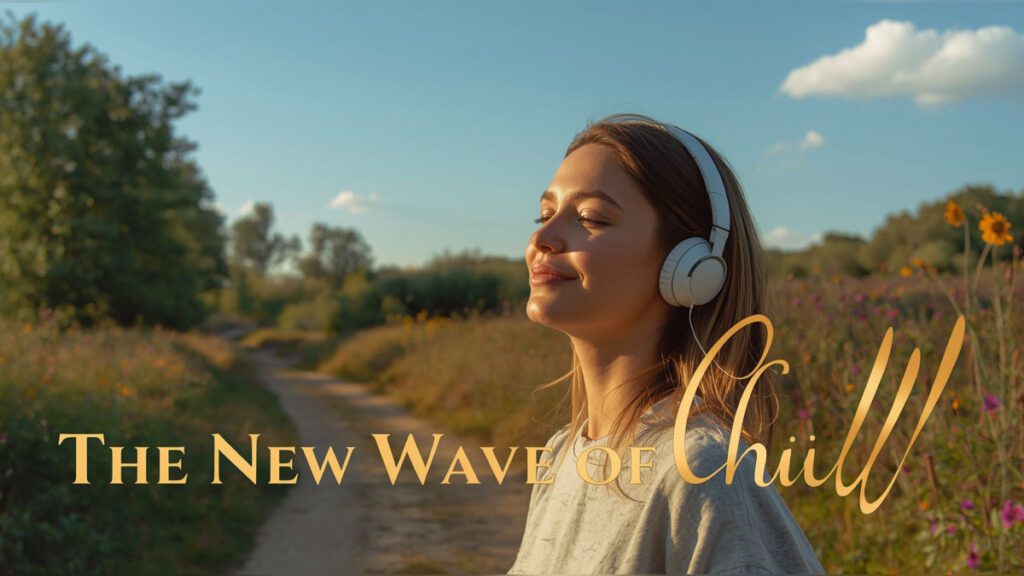
Short answer: Slow living in 2025 is the cultural shift from hustle to intentional rest, favouring presence over productivity. It shows up in digital detoxes, lo-fi playlists, Japandi minimalism, calm weekend gatherings, and a sustainable mindset where balance becomes the new flex.
In a world obsessed with speed—faster tech, faster careers, faster everything—a quiet revolution is taking shape. It’s called slow living. In 2025, it’s not only a wellness trend; it’s a cultural reset.
People are realising that constant hustle doesn’t equal happiness. The “slow” mindset is about savouring life’s moments, choosing presence over productivity, and finding rhythm in rest. From cosy morning routines to intentional digital breaks, slow living is becoming the new measure of cool.
Why is digital detox part of slow living?
Our generation grew up online, but even the most plugged-in creators are starting to crave disconnection. What was once considered lazy—logging off, spending time offline—is now seen as luxury.
Influencers are posting less but living more. There’s a new vibe on social media: authenticity. You’ll see creators documenting slow mornings, community gardening, and quiet evenings reading rather than endless product promotions. It’s not about escape. It’s about balance.

How is music shaping the slow living soundtrack?
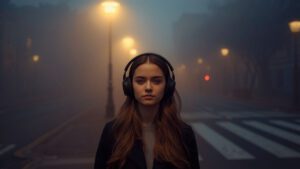
Music mirrors culture, and the rise of lo-fi, ambient, and nature-inspired playlists says it all. Chill beats, rainfall sounds, and soft synths dominate streaming platforms because people want calm energy, not chaos.
Even pop artists are experimenting with minimalist soundscapes. It’s not about high volume anymore. It’s about high intention. The music we vibe to reflects the pace we want our lives to move at.
How is slow living changing interior design?
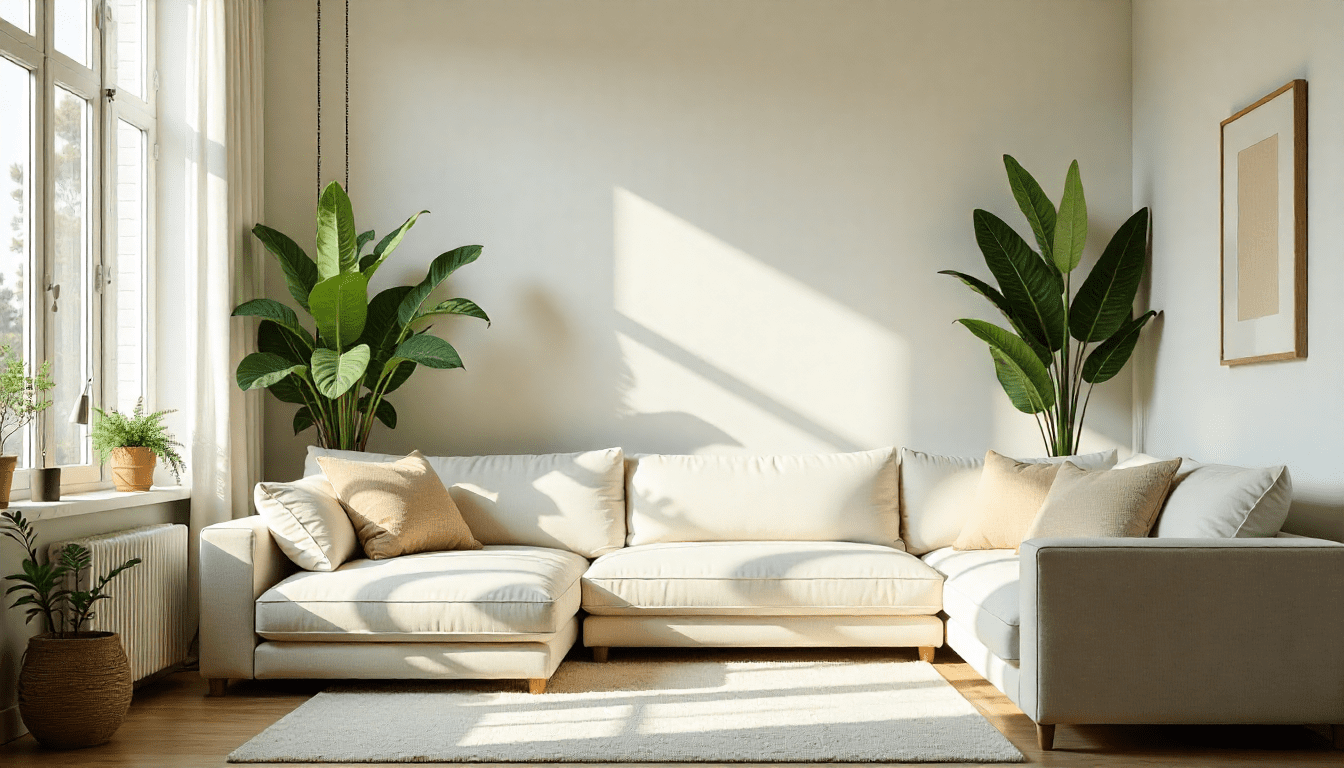
The slow vibe extends to how we design our spaces. Neutral colours, open windows, fewer distractions—the aesthetic of calm has taken over social media feeds. Interior design trends like “quiet luxury” and “Japandi minimalism” aren’t only about style; they are about emotion.
Your environment can stress you or soothe you. In 2025, people are curating peace like an art form.
How are weekends being reclaimed?
The weekend used to be about catching up on chores, work, and obligations. Now it’s about slowing down. Cafés are filled with people journaling, walking clubs are trending, and nightlife has changed.
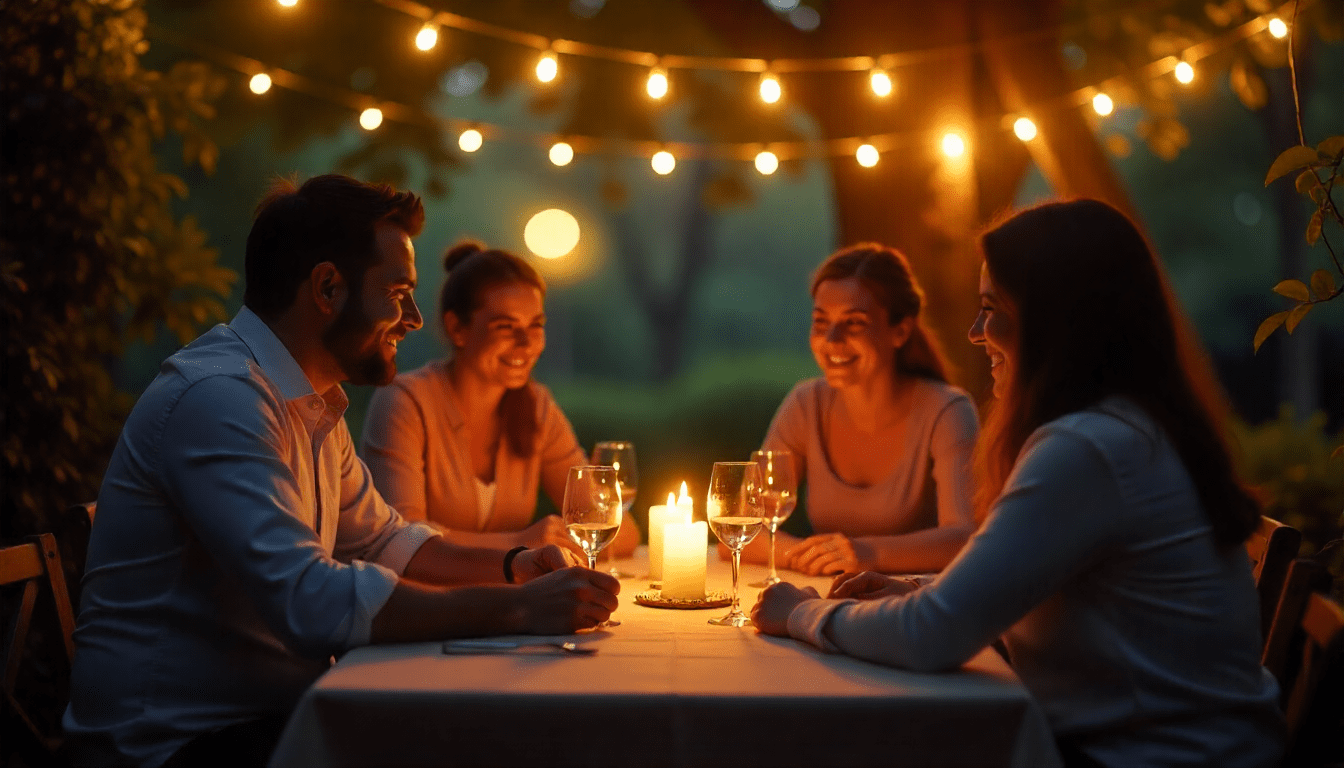
Instead of loud parties, we are seeing the rise of “calm gatherings”: candlelit dinners, acoustic nights, and creative sessions where people actually talk. The new vibe is connection, not chaos.
Does slow living mean giving up ambition?
There’s a misconception that slowing down means giving up ambition. In truth, it’s about sustainability, making space for clarity, creativity, and long-term success.
Slowing down lets you notice what truly matters, and that awareness fuels better work, deeper relationships, and stronger mental health. The chill vibe isn’t passive. It’s intentional.
The takeaway: fast is out, flow is in
In 2025, the ultimate flex isn’t how busy you are. It’s how balanced you feel. The slow living vibe is a reminder that peace is not a pause. It’s a pace.
Those who learn to flow, not only rush, are the ones shaping the future of culture.
FAQs about slow living in 2025
What is slow living in 2025?
Slow living is a cultural shift toward intentional rest, presence, and balance. In 2025 it shows up in digital detoxes, cosy morning routines, lo-fi music, minimalist interiors, and calm weekend gatherings.
Is slow living the same as being lazy?
No. Slow living is about sustainability and clarity, not lack of effort. It creates space for creativity, stronger mental health, and long-term career success rather than burnout.
What music fits the slow living vibe?
Lo-fi, ambient, nature sounds like rainfall, and soft synths dominate the slow living soundtrack. Pop artists are also leaning into minimalist soundscapes to match the calm mood.
What are Japandi and quiet luxury in interiors?
Japandi minimalism mixes Japanese and Scandinavian design for warm, uncluttered spaces. Quiet luxury focuses on neutral colours, open windows, and understated materials that emphasise calm over flash.
How do I start slow living as a student or professional?
Begin with small digital detoxes, a lo-fi morning routine, one screen-free evening a week, and calm gatherings with close friends. Treat rest as intentional, not earned.