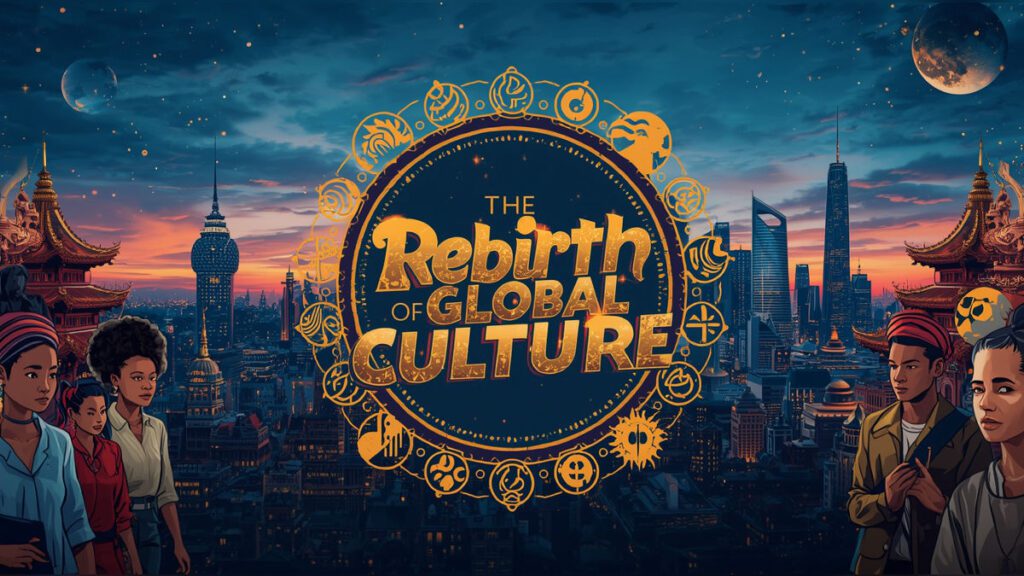
Short answer: In 2025, Gen Z is redefining global culture by treating identity as fluid, remixable, and internet-native. Music, fashion, slang, and activism flow across borders through TikTok, Instagram, Discord, and X, blending tradition with digital subcultures into what feels less like pop culture and more like planet culture.
In 2025, culture no longer belongs to a single nation, tribe, or tradition. It moves through algorithms, trends, and shared screens, evolving faster than any generation before it. For Gen Z, identity is not bound by geography or ethnicity but shaped by global connectivity.
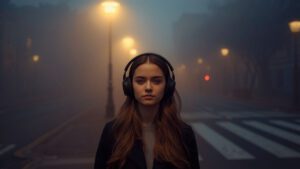
The music you stream, the memes you share, and even the slang you use come from dozens of cultural influences colliding in real time. What was once “pop culture” is now “planet culture.” This shift has brought creativity and chaos in equal measure, a melting pot where traditions are remixed and reimagined at the speed of Wi-Fi.
What is cultural fluidity and why does it matter?
The old rules of identity no longer apply. You can be a K-pop fan in Lagos, a Bollywood dancer in Berlin, or a hip-hop artist in Seoul. The boundaries that once defined cultural ownership are dissolving.
This generation does not ask for permission to blend styles. Fashion fuses streetwear with traditional patterns. Films mix languages. Music tracks sample from multiple continents. It is no longer about authenticity in a traditional sense. It is about adaptability.
Gen Z’s mantra is simple: “If it feels right, it’s ours.”
And yet, that cultural freedom raises new questions. When does appreciation become appropriation? How do we preserve heritage without limiting creativity?
How are social media platforms shaping global culture?
Instagram, TikTok, and X (formerly Twitter) have become the new cultural stages. Social platforms are where trends are born, identities are shaped, and global movements begin.
These platforms do not just reflect culture. They direct it. Algorithms decide which songs go viral, which aesthetics dominate fashion, and which opinions shape public dialogue. The digital museum is alive, interactive, and ever-changing, but also driven by engagement more than authenticity.
Creators now balance artistic expression with algorithmic visibility. The line between artist and influencer continues to blur.
Why has cultural capital become the new currency?
In 2025, cultural relevance is a form of currency. What you represent online, your values, aesthetics, and associations, often holds more power than wealth or status.
Brands have taken note. Instead of selling products, they now sell identity. Collaborations between corporations and micro-creators are redefining marketing, turning subcultures into global movements.
Think of how streetwear became high fashion, or how anime aesthetics reshaped global design. The new cultural leaders are not celebrities. They are content curators, designers, and storytellers who translate identity into influence.
How has language changed with global slang?
English is no longer the universal language of the internet. Memes are. Visual communication, emojis, and slang now form a shared vocabulary that crosses borders.
Phrases like “rizz,” “iykyk,” and “main character energy” spread from online subcultures to mainstream conversations within weeks. Meanwhile, regional languages are finding new pride online. Local creators blend native tongues with digital slang to express authenticity.
In this evolving linguistic landscape, humour, emotion, and identity are conveyed not through words alone, but through the rhythm of digital culture.
How is tradition returning in modern form?
The digital world has not erased tradition. It has revived it. Younger generations are rediscovering their roots through modern forms.
Traditional crafts are trending on TikTok. Indigenous music is being sampled by global producers. Spiritual practices like meditation and Ayurveda have gone mainstream. The line between ancient and modern has softened. We are remixing heritage for a global audience.
This “digital preservation” of tradition means culture is not forgotten, only reimagined.

How is Gen Z turning culture into activism?
The cultural revolution of 2025 is not just artistic. It is political. From climate movements to gender equality and representation, young people are using culture as a vehicle for change.
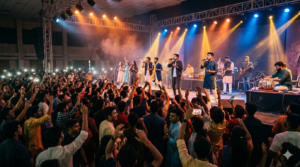
Music, fashion, and digital art have become tools of protest. Activism is no longer limited to marches or manifestos. It is built into the fabric of pop culture itself. When a viral dance supports a social cause or a clothing brand donates profits to relief efforts, culture becomes activism in motion.
The generation leading this movement does not separate entertainment from ethics. Being “woke” is not a label. It is a lifestyle.
Why are virtual communities the new cultural homes?
For many, belonging no longer comes from physical communities. It comes from online ones. Discord servers, fandoms, and digital art collectives are replacing local clubs and organisations.
These spaces create a sense of identity that is fluid yet powerful, a form of belonging that crosses nations and time zones. They also come with challenges like echo chambers, online toxicity, and digital burnout.
Still, for millions, these virtual spaces offer what real-world society often fails to provide: acceptance and shared understanding.
How is culture being commercialised in 2025?
There is a growing tension between cultural creativity and corporate control. While brands and entertainment companies thrive on cultural expression, they also risk diluting it.
Global trends now move so quickly that authenticity often takes a backseat to virality. Every movement, from feminism to sustainability, risks being commodified. The irony of 2025 is that while the world celebrates diversity, it is also easier than ever to package and sell it.
What does the future of global culture look like?
As we look toward 2030, culture will only grow more hybrid and hyperconnected. Artificial intelligence will personalise creative output, while virtual and augmented realities will redefine how we experience art, music, and storytelling.
We may soon attend concerts in VR, visit digital museums built on blockchain, or wear clothes that change colour with augmented filters. Culture will be dynamic, interactive, and deeply digital, yet still human at its core.
No matter how wired or globalised the world becomes, culture remains what it has always been: our shared story, rewritten every day.
FAQs about Gen Z and global culture
How is Gen Z redefining identity in 2025?
Gen Z treats identity as fluid and globally sourced. People freely blend K-pop, Bollywood, hip-hop, streetwear, and local traditions, using platforms like TikTok, Instagram, and X as stages for self-expression instead of being bound by one nationality or subculture.
What does “planet culture” mean?
Planet culture is the idea that what used to be called pop culture now moves across the entire planet in real time, powered by memes, music, and social platforms, so that trends from Lagos, Seoul, Mumbai, or New York reach young audiences almost simultaneously.
Which platforms drive global youth culture now?
Instagram, TikTok, X (formerly Twitter), and Discord are the main engines. Instagram and TikTok launch trends, X drives dialogue, and Discord servers and fandoms form the tight-knit communities where identities are shaped.
Is cultural blending the same as cultural appropriation?
Not always. Gen Z embraces cultural fluidity: remixing styles from many origins. The line between appreciation and appropriation still exists, and young people keep debating when credit, context, and respect are being given to the source culture.
How is traditional culture being preserved online?
Traditional crafts, indigenous music, meditation, and Ayurveda are going viral on TikTok and being sampled by global producers. This “digital preservation” keeps heritage alive by reinterpreting it for a global audience rather than freezing it in the past.