
Short answer: Dot & Key, the Kolkata-based D2C skincare brand founded in 2018 by Anisha Agarwal Saraf and Suyash Saraf, has become a Gen Z favourite in India. Nykaa’s October 2021 majority stake acquisition helped its GMV grow over 12x to roughly ₹900 crore by FY2025, with an annualised run rate now crossing ₹1,500 crore.
A pastel-coloured disruptor in a crowded market
Walk into any modern Indian bathroom shelf today and you’ll likely spot something with soft pastel packaging and playful typography. Chances are, it belongs to Dot & Key.
Founded in 2018 by Anisha Agarwal Saraf and Suyash Saraf, the Kolkata-based skincare startup entered a space that was already buzzing with activity. Yet in a few years, it has carved out a formidable presence in India’s booming beauty and personal care sector.
What makes its story compelling is not the growth, but who is driving it: young, digitally native Indian consumers. Millennials first embraced it. Gen Z amplified it.
This article explores how Dot & Key performs in the Indian market, whom it competes with, and whether evidence suggests it is engaging Gen Z.
How did Dot & Key start?
From the outset, Dot & Key positioned itself differently. Instead of generic moisturisers and cleansers, it focused on problem-solving skincare: hydration, barrier repair, acne control, pigmentation, and sun protection.
The formulations combined fruit extracts with performance-driven actives. Vitamin C, CICA, niacinamide, hyaluronic acid — ingredients that previously lived in dermatology clinics were now explained in friendly, accessible language.
Then there was the packaging. Soft pinks. Sky blues. Mint greens. Clean typography. It felt Instagram-ready before Instagram made that a necessity.
As someone who has observed India’s D2C ecosystem closely, I’ve noticed a pattern: young consumers don’t buy efficacy alone. They buy experience. Dot & Key understood that early.
How did Nykaa’s acquisition change Dot & Key?
A turning point arrived in October 2021 when Nykaa acquired a majority stake in Dot & Key. This was not another funding announcement. It marked Nykaa’s first major investment in an Indian D2C beauty brand.

The implications were significant.
With Nykaa’s online marketplace and expanding offline footprint, Dot & Key gained distribution muscle that many startups struggle to build. It was no longer limited to being a pure-play digital brand. It became omni-channel.
According to coverage in The Economic Times, Dot & Key’s Gross Merchandise Value (GMV) surged post-acquisition, reportedly growing over 12x to approximately ₹900 crore by FY2025. More recent disclosures from Nykaa suggest an annualised GMV run rate crossing ₹1,500 crore, alongside strong year-on-year growth.
Profitability also matters. In a sector where many D2C brands burn cash chasing market share, reports indicate improving EBITDA margins and operational discipline.
Growth is impressive. Profitable growth is rarer.
Who does Dot & Key compete with?
India’s skincare market is intensely competitive. Dot & Key operates in a battlefield crowded with agile D2C startups, legacy FMCG giants, and global entrants.
1. Ingredient-led challengers
Brands such as:
- Minimalist
- Plum
- The Derma Co
have built strong reputations around ingredient transparency and clinical positioning. Minimalist leans heavily into science-backed simplicity, almost pharmaceutical in tone.
Dot & Key, in contrast, blends science with sensory appeal. It competes on efficacy but communicates in a more playful voice.
2. Mass-appeal omni-channel players
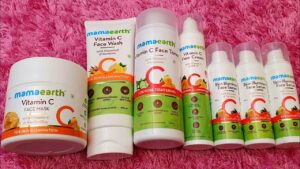
Then there’s Mamaearth, which scaled rapidly through influencer marketing and offline expansion. Mamaearth appeals to a broader mass segment, including family-oriented buyers.
Dot & Key’s core remains more urban and skincare-focused.
3. Premium and international entrants
Global brands expanding aggressively into India, particularly in sunscreen, serums, and active skincare, add pressure on pricing, innovation, and differentiation.
Dot & Key’s advantage lies in localization. It formulates with Indian weather, humidity, and skin concerns in mind. That nuance matters.
Is Dot & Key winning Gen Z?
The short answer: indicators strongly suggest yes. Here’s why.
1. Aesthetic plus ingredient transparency
Gen Z consumers in India demand authenticity and clarity. Research across beauty retail shows younger buyers actively reading ingredient lists and checking reviews before purchase.
Dot & Key communicates actives clearly on packaging. Vitamin C isn’t hidden in fine print; it’s celebrated. This transparency aligns with Gen Z’s skepticism toward vague beauty claims.
2. Social media virality
Products like its CICA sunscreen and Vitamin C serum frequently trend on Instagram reels and YouTube shorts. Influencer-driven discovery plays a huge role.
Unlike traditional advertising, short-form video offers relatability. Real users. Real reviews. Before-and-after visuals.
From my own observation of Indian beauty creators, Dot & Key often appears in “affordable favorites” or “Gen Z skincare routine” videos, signaling cultural relevance.
3. Pricing accessibility
Gen Z shoppers are value-conscious. They want performance, but they also compare prices aggressively.
Dot & Key sits in a sweet spot: aspirational yet affordable. It feels premium but doesn’t intimidate. That positioning matters in a country where disposable incomes among young consumers are still rising.
Where does Dot & Key stand against competition?
While exact category-level market share figures fluctuate, public financial disclosures and media reporting suggest:

- Rapid GMV expansion post-Nykaa acquisition
- Strong ranking within Nykaa’s top-performing skincare brands
- Improving margins compared to many D2C peers
- Expanding offline footprint via Nykaa retail stores
Compared to competitors:
- It’s more playful than Minimalist.
- More skincare-focused than Mamaearth.
- More ingredient-transparent than older FMCG brands.
- More accessible than luxury imports.
It occupies a carefully balanced middle ground.
How is Dot & Key expanding beyond skincare?
Dot & Key introduced a nutraceutical sub-brand called IKWI, expanding beyond topical skincare into ingestible wellness. This signals long-term ambition.
Young consumers today view beauty as holistic: skin health, gut health, lifestyle. Brands that address multiple touchpoints may enjoy stronger retention.
Whether IKWI scales as successfully remains to be seen. The strategic intent is clear.
Why does Gen Z matter so much to the brand?
India has one of the world’s largest Gen Z populations. This demographic is:
- Digitally native
- Review-driven
- Influencer-influenced
- Brand-conscious but value-sensitive
They don’t purchase products passively. They research, compare, screenshot, and share.
Dot & Key’s communication style — friendly, educational, and visually engaging — mirrors how Gen Z consumes information. And crucially, it avoids talking down to them.
What challenges lie ahead?
No growth story is without risk.
The Indian beauty market is crowded and fast-moving. Ingredient trends evolve quickly. What is viral today can be forgotten tomorrow.
- Competitors are aggressively innovating.
- Offline expansion increases cost pressures.
- Global entrants may undercut pricing or outspend on marketing.
Sustained relevance will require constant R&D, sharper storytelling, and disciplined execution.
More than pastel packaging
Dot & Key’s rise reflects a larger shift in Indian consumer culture.
Young buyers no longer accept generic beauty messaging. They want clarity, credibility, and character. Brands must be science-backed yet relatable. Aspirational yet accessible.
Dot & Key appears to have understood this equation early. The real test lies ahead.
Can it maintain authenticity while scaling further? Can it stay agile as trends change? Can it deepen loyalty beyond influencer cycles?
For founders, marketers, and investors observing India’s D2C boom, Dot & Key offers a fascinating case study in modern brand-building.
For young consumers shaping the future of India’s beauty industry, the message is clear: your expectations are no longer optional. They are defining the market. The next wave of winners will be those who listen closely and respond boldly.
FAQs about Dot & Key
Who owns Dot & Key?
Dot & Key is owned by Nykaa, which acquired a majority stake in October 2021. The brand was founded in 2018 by Anisha Agarwal Saraf and Suyash Saraf and is headquartered in Kolkata.
Is Dot & Key good for Indian skin?
Dot & Key formulates products with Indian weather, humidity, and skin concerns in mind. Its range covers hydration, barrier repair, acne control, pigmentation, and sun protection using actives such as Vitamin C, CICA, niacinamide, and hyaluronic acid.
What is Dot & Key’s GMV?
According to The Economic Times, Dot & Key’s GMV grew over 12x post-acquisition to approximately ₹900 crore by FY2025. Nykaa’s more recent disclosures suggest an annualised GMV run rate crossing ₹1,500 crore.
Which are Dot & Key’s main competitors?
Dot & Key competes with ingredient-led D2C brands like Minimalist, Plum, and The Derma Co, mass-market players like Mamaearth, and premium international entrants in the Indian skincare space.
What is IKWI by Dot & Key?
IKWI is Dot & Key’s nutraceutical sub-brand that extends the company beyond topical skincare into ingestible wellness, addressing beauty as a combination of skin health, gut health, and lifestyle.