
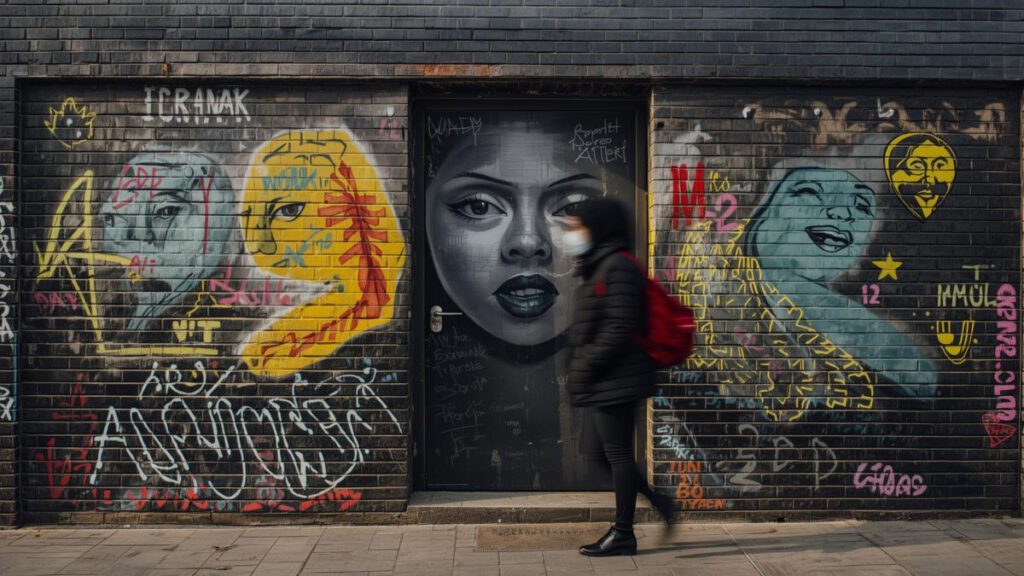
Short answer: Women’s safety can’t be fixed by telling women to be careful. Global data shows nearly 1 in 3 women face physical or sexual violence in their lifetime. Real change means survivor-centred services, safer cities, bystander training and reforms like India’s Criminal Law (Amendment) Act, 2013 after the 2012 Nirbhaya case.
The burden of moving through the world: real stories, real policy, real change

They carry keys between knuckles, rehearse phone calls, change routes, text a friend when a ride arrives. These are not quirky habits. They are survival tactics: small, repeated calculations women make every day to reduce risk. Scholars call this “safety work”: routine, invisible practices that protect bodies but tax minds.
What do the hard numbers on women’s safety show?
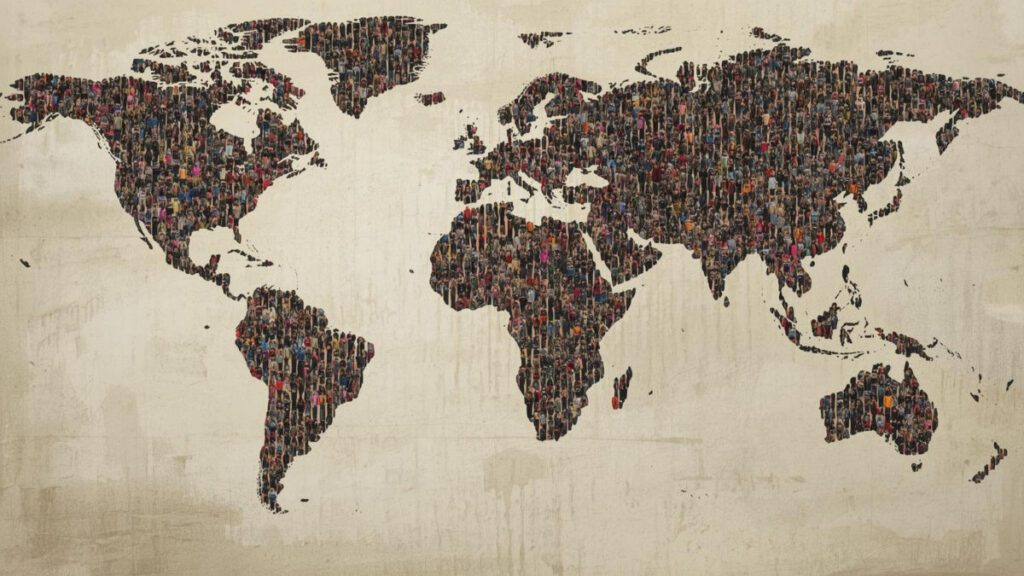
This lived vigilance is rooted in a global reality. Across the world, nearly 1 in 3 women have experienced physical and/or sexual violence from an intimate partner or a non-partner in their lifetime. That is a staggering baseline, and it doesn’t fully capture everyday sexual harassment.
When sexual harassment is counted — the catcalls, the groping, the unwanted advances in public spaces — the scale grows larger. National and regional surveys show very high rates of harassment, especially among younger women. UK data, for example, found very large shares of young women reporting sexual harassment in public spaces.
Most of this never reaches formal systems. Large surveys repeatedly show that many survivors do not report incidents. Common reasons: believing it wasn’t “serious enough,” fearing they won’t be believed, and a lack of trust that reporting will lead to help. The gap between what happens and what is recorded distorts policy responses and leaves survivors unprotected.
What is the invisible cost on health, work and the mind?

Violence and harassment don’t end with an incident. They echo in health records and workplaces. Survivors are more likely to experience depression, anxiety, post-traumatic stress, sleep disorders, substance misuse and a range of physical complaints. The World Health Organization documents these lasting health effects and warns that gender-based violence is a major public-health problem. The health burden ripples outward — lost workdays, diminished participation in public life, constrained career choices — and too often it’s framed as a private problem when it is a structural one.
When has the nation been shaken into change?
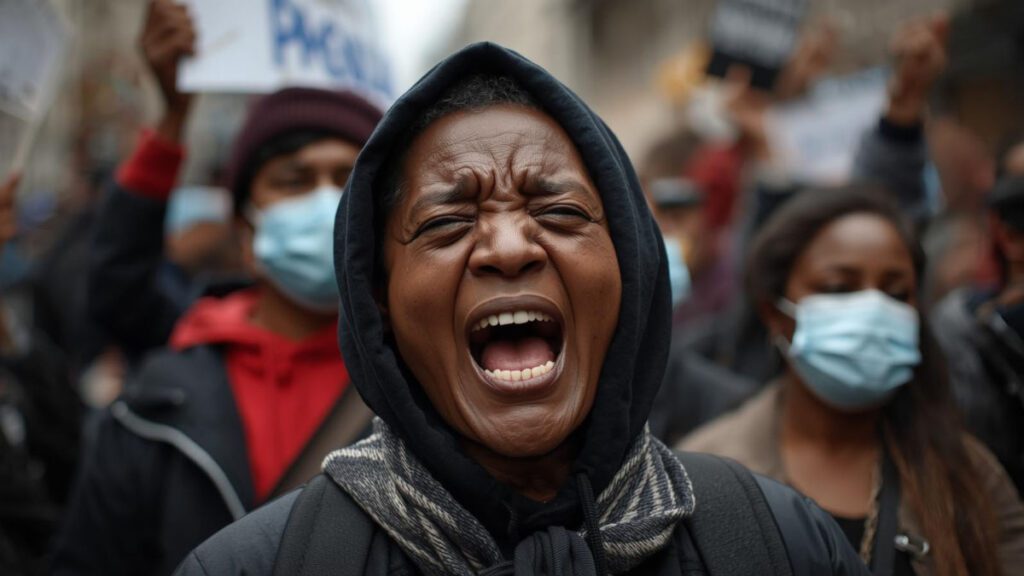
Public outrage can shift law and conversation. In India, the December 16, 2012 gang-rape and murder of a young woman in Delhi (the “Nirbhaya” case) sparked nationwide protests and led to the Criminal Law (Amendment) Act, 2013, a major legal reform package addressing sexual offences. The case changed public expectations about accountability and legal reform, even as debates about implementation continue.
Globally, movements have altered how survivors are seen and heard. The “me too.” organising by Tarana Burke began in 2006 to support survivors. In 2017, the hashtag spread widely and became a mass public moment that elevated survivor testimony and exposed systemic patterns across workplaces and industries.
Where do survivors say the systems fail?

Survivors and surveys point to a repeating script: when incidents are reported, responses can be slow, dismissive or retraumatising. Where reporting structures are weak, or where reporting is blamed back on the victim, people stop reporting, and violence persists invisibly. Reviews of law and policing reforms in many countries show that while laws can change quickly after high-profile cases, implementation, training and trust in institutions lag behind.
Which evidence-backed approaches actually improve women’s safety?

There is no single silver bullet, but research and UN practice point to strategies that produce measurable difference when done well, with survivors at the centre:
- Design the city with women in mind. Programs such as UN Women/UN-Habitat’s Safe Cities initiatives combine data, community consultation and targeted interventions (lighting, transit safety, safe stalls, women’s participation in planning) and report concrete improvements in women’s sense of safety and access to public space.
- Invest in survivor-centred services and accessible reporting. Faster evidence collection, trauma-informed police response and legal aid increase reporting and reduce harm. Studies and global guidance stress that survivors’ experiences must guide how services are run.
- Bystander and social-norms interventions. Training programs that equip people to safely intervene, and campaigns that shift norms (teaching respect and consent, not only “how not to be attacked”) have shown promise in reducing harassment and reshaping environments, especially when scaled alongside policy and enforcement changes. Evidence on bystander training shows encouraging effects on harassment behaviors and social norms.
- Community solidarity and survivor networks. Grassroots mutual aid, women’s groups and peer networks provide immediate, practical safety (phone chains, accompaniment, community reporting) and long-term political pressure for systemic change. Movements like “me too.” altered public discourse. Local networks keep people safer day to day.
What truly needs to change — beyond tips for women?

Too many safety conversations default to individual survival tactics: “don’t go out late,” “don’t wear X,” or endless do’s and don’ts for potential victims. That frame makes survival the sole responsibility of the vulnerable, not the duty of the rest of society. Real change reassigns responsibility to where it belongs: to systems, institutions, bystanders, city planners, employers and lawmakers.
Concretely, that means:
- Treating data seriously (survivor-centred, disaggregated, timely) so policymakers see the true scale of the problem.
- Funding and training the people who respond first (police, health workers, frontline authorities) in trauma-informed, gender-sensitive approaches.
- Designing public spaces that reduce opportunity for abuse and expand safe, accessible mobility for everyone.
- Scaling social-norms and bystander programs that create everyday civic accountability.
A final, honest note
The statistics are blunt. The human stories are devastating. Policy solutions exist in fragments and pilots; they are not yet universal. But the evidence is not barren: we know what reduces harm, we know what survivors say they need and we know which reforms, when genuinely implemented, change outcomes.
This problem cannot be fixed by telling women to “be careful.” It will be fixed when societies recognize that the right to move freely — in the street, at work, at night — is a basic civil right, not a privilege. Until then, the daily arithmetic of safety — the constant rerouting of lives — will continue to be paid in hours, health and stolen freedom. The challenge isn’t that women must learn to survive the world. The challenge is to build a world that does not make survival the price of being born female.
FAQs about women’s safety
What is “safety work” for women?
Safety work describes the routine, invisible practices women use to reduce risk: carrying keys between knuckles, changing routes, rehearsing phone calls and texting a friend when a ride arrives. Scholars name these habits to show how they protect bodies but tax minds.
How common is violence against women globally?
Nearly 1 in 3 women worldwide have experienced physical and/or sexual violence from an intimate partner or a non-partner in their lifetime. That baseline doesn’t fully count everyday sexual harassment like catcalls, groping or unwanted advances.
Why do many survivors not report incidents?
Large surveys show survivors often don’t report because they believe the incident wasn’t “serious enough,” fear they won’t be believed, or don’t trust that reporting will lead to help. The gap distorts policy and leaves survivors unprotected.
How did India’s Nirbhaya case change the law?
The December 16, 2012 gang-rape and murder in Delhi sparked nationwide protests and led to the Criminal Law (Amendment) Act, 2013, a major reform package addressing sexual offences. Debates about implementation continue.
What actually makes cities safer for women?
Evidence from UN Women/UN-Habitat’s Safe Cities initiatives points to better lighting, safer transit, survivor-centred services, trauma-informed police response, bystander training and women’s participation in urban planning.