

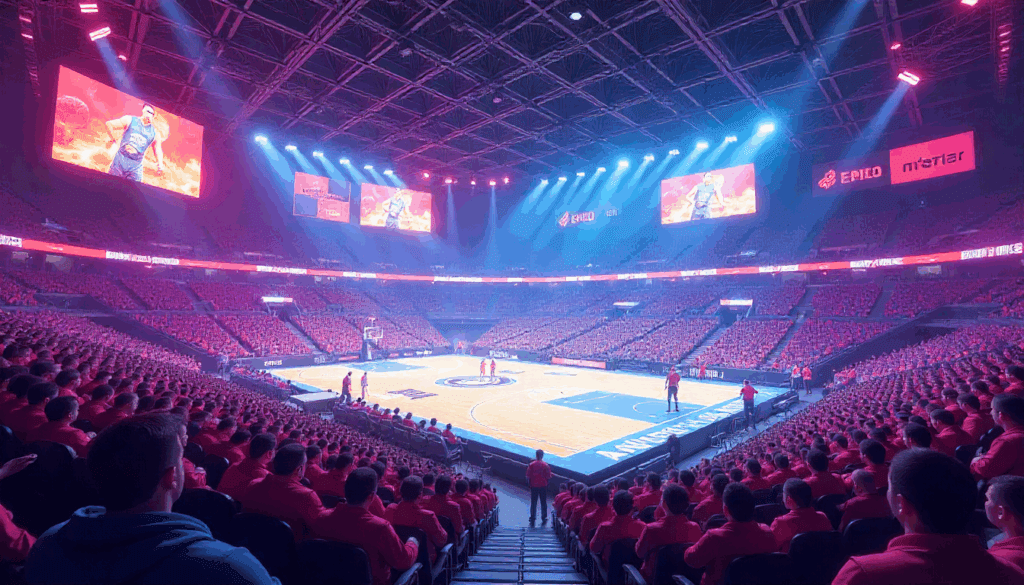
Short answer: Gen Z sports fans watch less live sport and feel more connected than any earlier generation. They follow highlights on TikTok, YouTube Shorts, and Instagram Reels, treat athletes like Erling Haaland, Coco Gauff, Max Verstappen, and Shafali Verma as personalities first, and bond inside Discord and Reddit communities instead of stadiums.
Sports aren’t played differently today so much as they are watched differently. For decades, sports culture was shaped by television channels, stadium crowds, and commentary tables. Gen Z is rewriting that script.
This generation consumes sports through highlights, memes, livestreams, creators, and digital communities. They watch less, but feel more connected. They follow narratives, not leagues. Personalities, not just teams. Stories, not just scores.
Gen Z isn’t just the next wave of sports fans. They’re rewriting the entire playbook.
Why do Gen Z fans prefer short-form over long-form?
Traditional broadcasters are losing grip because Gen Z doesn’t wait for a full match. They want the moments — emotion, spark, drama — without the downtime.
Platforms like TikTok, YouTube Shorts, and Instagram Reels dominate sports discovery. A 12-second clip can create a fan faster than a two-hour match. Viral moments turn athletes into global celebrities overnight.
It isn’t a lack of attention. It’s a new form of efficient engagement. Gen Z sees sports the same way they see music and fashion: something to sample, remix, and share.
How have athletes become influencers?
In the past, players were athletes first and personalities second. Today, it’s reversed.
Gen Z follows player stories — struggles, humour, routines, personalities. Athletes who share behind-the-scenes content build fanbases that transcend geography.
Stars like Erling Haaland, Coco Gauff, Max Verstappen, and Shafali Verma gain millions of young followers not only for their skill, but for their authenticity online. To Gen Z, the athlete is the brand.
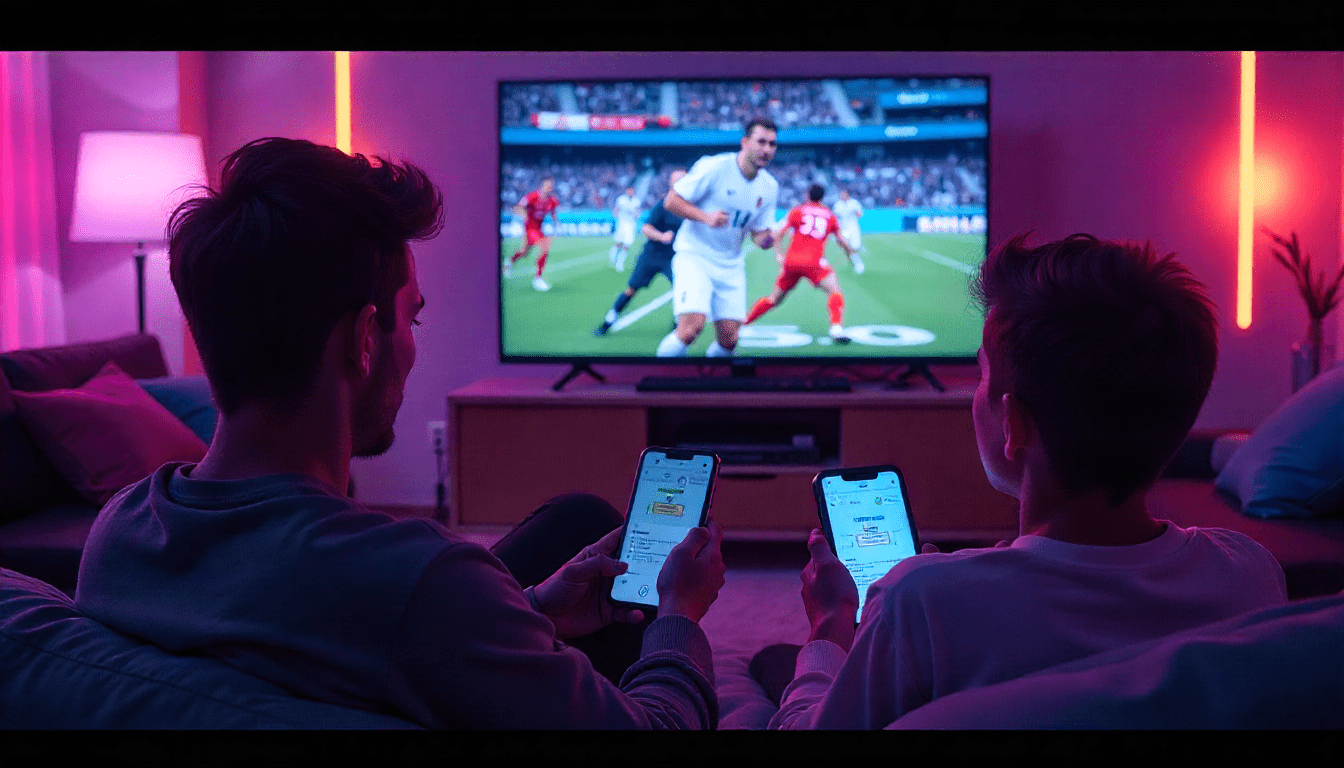
Why are esports and traditional sports merging?
This generation doesn’t see a divide between physical sports and digital sports. Competition is competition, whether played on grass or on a screen.
Sports brands now collaborate with esports teams. Stadiums host gaming tournaments. Athletes stream Fortnite or FIFA between training sessions.
The future isn’t sports vs. esports. It’s sports plus esports. Gen Z recognises mastery in every arena.
How does community beat competition for Gen Z?
Older generations bonded over rivalry. Gen Z bonds over community. Fan circles form on Discord, Reddit, and Twitter long before they form in stadiums.
They host watch parties online. They build meme cultures around teams. They celebrate highlights with strangers.
To them, sports fandom isn’t cheering alone; it’s belonging. The real stadium has become the internet.
What are lifestyle sports and why is Gen Z hooked?
Surfing, skating, climbing, Formula 1, MMA, UFC, and parkour have exploded among young fans. Why? These sports blend identity, aesthetic, and culture in a way traditional sports rarely do.
Skating feels rebellious. F1 feels cinematic. Climbing feels mindful. MMA feels primal. Gen Z connects with the vibe as much as the victory. Sports have become lifestyle statements.
Why is streaming the new stadium?
Broadcasting has gone hybrid. Gen Z prefers:
- commentary from creators
- live reactions
- streaming on phones
- behind-the-scenes access
- alternate camera angles
- chat communities
They don’t want only the game; they want the experience. Amazon Prime, Apple, Netflix, and YouTube are quietly becoming the future of sports rights. A highlight on TikTok can reach more people than a TV broadcast. Sports don’t live on channels anymore. They live everywhere.
Why do narratives matter more than scores?
Gen Z doesn’t engage with linear sports seasons. They follow arcs — underdog journeys, comeback stories, rivalries, and personalities. They root for moments that feel cinematic. They follow teams with emotional identity. A single viral narrative can bring millions into a sport.
Formula 1’s global explosion came not from races, but from the storytelling of Drive to Survive. The NBA’s cultural influence comes from storylines that feel like character-driven dramas. Sports today are entertainment ecosystems.
Why do Gen Z fans value mental health in athletes?
This generation values vulnerability. When athletes like Simone Biles, Naomi Osaka, or Ben Stokes prioritise mental health, Gen Z doesn’t call it weakness — they call it leadership.
They follow athletes who show realness over perfection. They back transparency over toughness. For them, the strongest athletes are the ones who are human.
Why does Gen Z reject traditional gatekeeping?
Older sports culture often enforced elitism: real fans watch full matches, you must know every rule, you can’t support multiple teams.
Gen Z rejects all of it. They democratise fandom. Anyone can join. Anyone can switch. Anyone can cheer. They don’t care how long you’ve been watching. They care how deeply you connect. Sports culture is becoming more inclusive than ever.
How are brands scrambling to keep up?
Sports brands now chase Gen Z by:
- collaborating with creators
- turning athletes into content stars
- building TikTok-friendly highlight packages
- launching lifestyle collections
- creating meme-driven marketing
- designing VR and AR fan experiences
If you want Gen Z, you speak their language: authenticity, speed, and emotional storytelling. They don’t consume sports like spectators. They consume it like culture.
The new playbook for the future of sports
Gen Z isn’t killing sports. They’re transforming them. They’re taking sports out of stadiums and into digital spaces. They’re building up athlete personalities. They’re blending esports and traditional sports. They’re redefining fandom as community, creativity, and culture.
The future fanbase won’t be defined by loyalty to teams, but by connection to stories, personalities, and shared experiences. Sports won’t just be watched. They’ll be lived, shaped, and reimagined, one moment at a time.
FAQs on Gen Z sports fans
How do Gen Z sports fans watch games?
Gen Z fans mostly watch highlights and clips on TikTok, YouTube Shorts, and Instagram Reels instead of full matches. They also stream on phones, follow creator commentary, and use chat communities alongside the action.
Which sports are most popular with Gen Z?
Lifestyle sports like Formula 1, MMA, UFC, skating, surfing, climbing, and parkour have grown fastest. F1 in particular exploded after Drive to Survive turned it into cinematic storytelling.
Which athletes do Gen Z fans follow most?
Stars like Erling Haaland, Coco Gauff, Max Verstappen, and Shafali Verma attract millions of young followers thanks to their authenticity online. Athletes like Simone Biles, Naomi Osaka, and Ben Stokes also have strong Gen Z support for speaking openly about mental health.
Where do Gen Z fans build sports communities?
They gather on Discord servers, Reddit threads, and X (Twitter) long before meeting at stadiums. Watch parties, meme pages, and fan Discords now form the backbone of modern fandom.
Are esports replacing traditional sports for Gen Z?
No. Gen Z treats esports and traditional sports as equal forms of competition. Sports brands collaborate with esports teams, stadiums host gaming tournaments, and many athletes stream Fortnite or FIFA alongside training.