
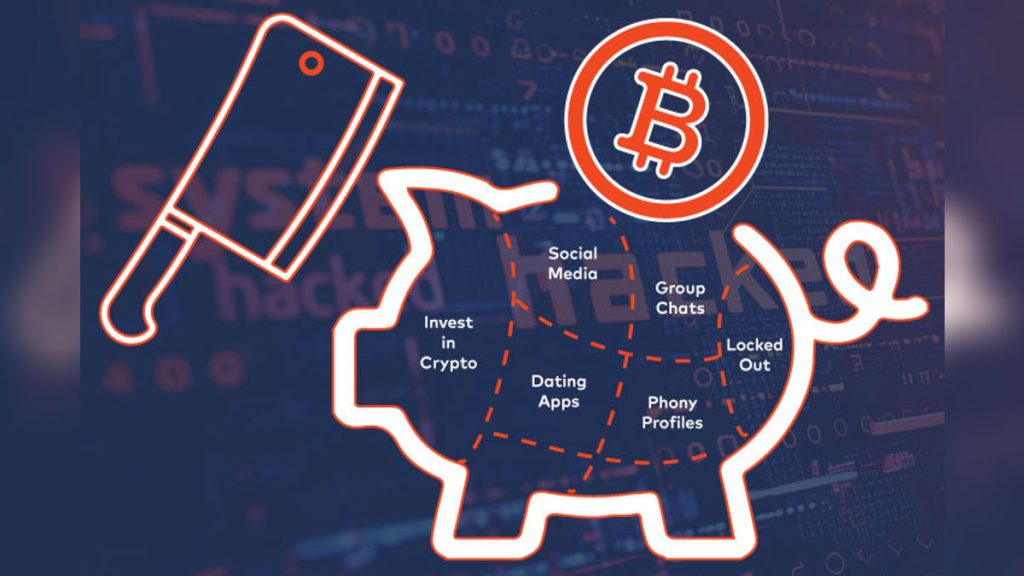
Short answer: Pig butchering scams (Sha Zhu Pan) are slow-burn online cons where scammers build romantic or friendly trust over weeks, then push victims into fake crypto or trading platforms. Gen Z is especially exposed. The defence is verifying identities, sticking to regulated platforms, and reporting fast at cybercrime.gov.in.
Scams today don’t look like dodgy emails from a “Nigerian prince.” They’ve evolved, smarter, more emotionally manipulative, devastatingly effective. The most dangerous is a deceptive fraud called pig butchering, or Sha Zhu Pan, a slow-burn scam reeling in Gen Z victims worldwide.
What exactly is pig butchering?

At its core, pig butchering is a long-term online con. The scammer builds a deep relationship with the victim, often romantic or friendly, then grooms them with stories of wealth and quick financial wins. Eventually the victim is steered into investing on fake or unregulated crypto and trading platforms.
The name comes from a grim analogy: fattening the pig before the slaughter. The victim is the “pig,” fattened with affection, trust, and the illusion of financial gain, until the scammer disappears, often with the victim’s entire savings.
Why is Gen Z especially at risk?

Gen Z, born between the mid-1990s and the early 2010s, is famously digitally fluent. Being online-savvy, though, doesn’t always mean being scam-savvy. Their comfort with digital relationships, desire for financial freedom, and emotional openness actually make them uniquely exposed.
According to the Federal Trade Commission (FTC), romance and investment scams resulted in over $1.3 billion in losses in 2022 alone, with a notable jump among individuals aged 18 to 29. Platforms like Instagram, WhatsApp, and dating apps like Bumble or Tinder have become hotspots for these scams.
What are the red flags Gen Z should watch for?
1. Instant intimacy
If someone opens a conversation with excessive compliments, love bombing, or deep emotional claims out of nowhere, be cautious. Lines like “I feel like I’ve known you forever” or “You’re my soulmate” within days of chatting? Major red flags.
Personal note: I once got a message on Telegram from someone claiming to be a crypto analyst from Singapore. Within three days, they were calling me “dear” and inviting me to a “private investment group.” That was my cue to block and report.
2. The investment pitch shows up suddenly
After trust is built, the scammer slips in a supposed investment opportunity, usually crypto, forex or stock markets. They’ll claim to be making thousands a week and offer to help you do the same.
Reality check. Friends don’t pressure friends to “invest now” or push you onto platforms you’ve never heard of.
3. Fancy screenshots and fake apps
They may send screenshots of “trading wins” and direct you to download obscure apps or sign up on shady websites. These platforms are often semi-functional replicas built to simulate success. At first, small withdrawals might be allowed, just enough to build false confidence.
Pro tip: Always research platforms on official app stores and check reviews. Never trust screenshots, they’re trivially doctored.
4. “Don’t tell anyone” tactics
They’ll push for secrecy. “It’s a private deal,” or “Your friends won’t understand.” That’s a calculated move to isolate you from outside advice or scepticism.
Isolation is a classic technique in emotional manipulation. If someone insists on secrecy, your guard should go up immediately.
5. Withdrawal issues and fake fees
Eventually, you’ll try to withdraw your “profits.” That’s when the true scam kicks in. You’ll be asked to pay extra fees, clear “taxes,” or invest more to “unlock” your funds. The truth? The money was never really there.
By the time most victims realise this, it’s too late.
How do you protect yourself from pig butchering?

Knowing the red flags is only half the battle. Here’s how Gen Z can actively guard against pig butchering scams.
Verify before you trust
- Do a reverse image search on the person’s profile picture using Google or tools like TinEye.
- Look for inconsistencies in their story, overly perfect photos, or generic answers.
- Ask specific, personal questions, scammers often falter when they have to improvise.
Avoid unregulated platforms
Never download apps or visit investment sites that aren’t listed on official app stores or backed by known financial institutions.
If someone insists their platform is “invite only” or “not available in your country,” that’s usually cover for illegitimacy.
Use logic over emotion
Scammers target your emotions, loneliness, FOMO, even greed. Step back. Think critically. If an offer feels too good to be true, it almost always is.
Talk to someone you trust
A friend, sibling, even a teacher, don’t keep your doubts to yourself. An outside perspective often spots manipulation that you’ve gone emotionally blind to.
Google everything

Before investing, search the platform or person’s name + “scam”. You’d be surprised how many people have had the same experience already. Reddit and Quora are great resources for real-user reviews and warnings.
What should you do if you’ve been targeted?
If you suspect you’re being targeted, or you’ve already been hit, don’t panic. Act fast.
- Cut off communication immediately.
- Report the scam to cybercrime.gov.in, the Cyber Crime Cell, or your local police.
- Report the profile or account on the platform you were contacted through (Instagram, Tinder, Telegram, etc.).
- Inform your bank if you’ve shared any financial information, time matters.
Awareness is your armour

Pig butchering scams aren’t just financial crimes. They’re emotional assaults. They target trust, affection, the basic desire for connection. Staying vigilant isn’t smart, it’s essential.
Let this article be your digital armour. Share it, start conversations, and remember: Trust is earned slowly, not given instantly, especially online.
FAQs about pig butchering scams
What is a pig butchering scam in simple terms?
It’s a slow-burn online con where scammers spend weeks or months building a romantic or friendly relationship with you before luring you into fake crypto or trading platforms. The name refers to fattening the pig (you) before the slaughter (taking your savings).
Why are Gen Z users more vulnerable to these scams?
Because they’re comfortable with digital relationships, hungry for financial freedom, and emotionally open online. The FTC reported over $1.3 billion in romance and investment scam losses in 2022 alone, with a notable rise among 18 to 29-year-olds.
What are the biggest red flags of a pig butchering scam?
Instant intimacy and love bombing within days, sudden investment pitches in crypto or forex, screenshots of trading wins, requests to download obscure apps, secrecy demands, and withdrawal issues that require paying extra “fees” or “taxes” to unlock your money.
How do I protect myself from pig butchering scams?
Reverse-image-search profile pictures, stick to apps from official stores, avoid invite-only platforms, talk to someone you trust before investing, and Google the platform name with the word “scam” before sending any money.
What should I do if I’ve already fallen for one?
Cut off communication immediately, report the scam at cybercrime.gov.in (or your local Cyber Crime Cell), report the profile on the platform where you were contacted, and inform your bank fast if you’ve shared any financial details. Speed matters.