Short answer: Wearable intelligence is the shift from simple fitness trackers to context-aware devices like the Apple Watch, Oura Ring and early Neuralink interfaces that interpret your body, mood and health in real time. It is turning healthcare preventive, fashion smarter, and data ethics into the next big question for young users.
The future is no longer in our pockets, it is on our bodies. From smartwatches that monitor heart rate to AI-powered rings that track sleep patterns and mood, wearable technology has evolved from a niche innovation to a lifestyle essential.
Today’s wearables are no longer fitness trackers or convenience gadgets. They have become companions, health coaches and emotional mirrors, helping people understand themselves in ways we never could before. This marks a new chapter in how technology blends with our humanity.
How did wearables go from step counters to smart companions?
The first wave of wearables was simple: pedometers, step counters and calorie trackers. Their purpose was basic, to quantify activity. As technology advanced, so did our expectations.
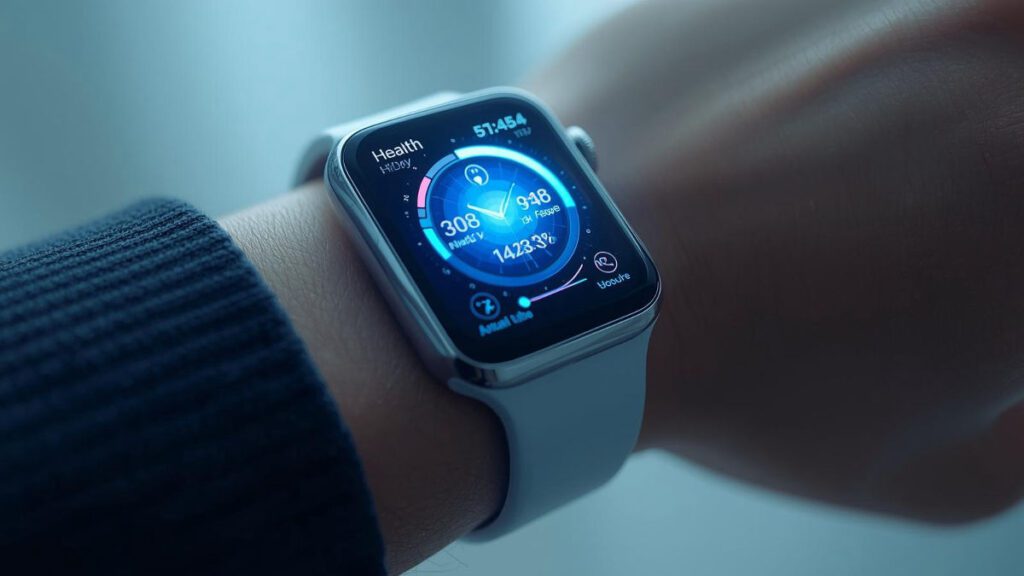
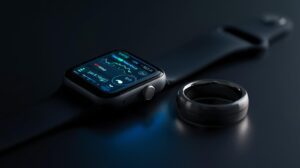
Now, wearable devices are smarter, smaller and more personal. The Apple Watch can take an ECG, detect falls and call emergency services. The Oura Ring monitors body temperature fluctuations to predict illness or stress. Neuralink’s early brain interface experiments suggest that, in the near future, wearable intelligence might even extend into our neural pathways.
The shift from monitoring to understanding is where wearable tech truly shines. Devices now interpret data contextually. They don’t just tell you you’re tired; they tell you why you’re tired.
How is wearable intelligence making healthcare preventive?
Healthcare used to be reactive. You would see a doctor after symptoms appeared. Wearable intelligence has flipped that model.
Modern wearables continuously scan for anomalies in your sleep, stress or heart rate. Subtle shifts, ones you might not feel, are flagged early, letting users act before a health issue escalates.
Doctors and researchers are calling this the dawn of “continuous diagnostics.” Real-time insights have made it possible to prevent burnout, manage chronic illness, and detect early signs of heart disease. Imagine a smartwatch that not only detects dehydration but signals your water bottle to glow blue as a reminder to drink, that is the future of connected wellbeing.
Why do we trust our wearable devices?
Humans form emotional connections with machines easily. We name our cars, talk to Alexa, and treat our Fitbits like accountability partners.
Wearables tap into that same psychology, blending data with empathy. When your smartwatch vibrates gently to remind you to breathe, it feels like care, not code. That humanised design is why adoption rates are climbing.
For many users, these devices act as modern-day guardians, offering comfort through control. They quantify what was once invisible: stress levels, recovery, mood, even menstrual cycles. This sense of knowing yourself deeper builds trust, creating a bond between user and tech that feels surprisingly emotional.
How are fashion and wearable tech converging?
Gone are the days when wearable tech looked bulky or geeky. Today, it is a statement of style and intelligence.
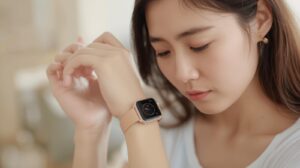
Designers have realised that technology becomes lifestyle only when it is wearable and desirable. Collaborations between fashion houses and tech companies, like Louis Vuitton’s Horizon Light Up smartwatch or Gucci’s Oura partnership, prove that design and data can coexist beautifully.
Sleek metallic bands, minimalist rings and AI-embedded clothing have blurred the lines between fashion accessory and personal assistant. Your jewellery can now read your pulse; your jacket can regulate its temperature. The fusion of fashion and function is not just an aesthetic trend, it is the evolution of identity.

What are the data ethics of wearable intelligence?
The rise of wearable intelligence carries ethical weight. When a device tracks your heartbeat, location and stress patterns, it knows more about you than most people do.
So who owns that data, and how safe is it? Concerns around privacy and misuse are valid. Tech companies must walk a fine line, empowering users with insights while ensuring their most personal data isn’t exploited. Transparent policies and local data storage are becoming new trust metrics.
In the future, privacy may not be about invisibility, but about informed visibility, knowing exactly how your data serves you, not someone else’s algorithm.
What is the next frontier of wearable technology?
The next generation of wearables may not even need to be “worn.” Researchers are developing skin-embedded sensors that dissolve after use, smart tattoos that display real-time vitals, and contact lenses that measure glucose levels.
Even clothes are becoming intelligent. Smart fabrics can adjust insulation based on temperature or monitor posture to prevent back pain. Neural interfaces could one day let paralysed individuals control devices through thought alone.
These are not far-off dreams, they are prototypes already in labs. What is unfolding is not just a tech evolution, but a biological one: the merging of human and machine intelligence in the most natural way possible.

How does wearable tech shape self-awareness?
Ultimately, wearable intelligence isn’t about technology, it is about transformation. It empowers us to listen to our bodies, understand our emotions and take charge of our health.
In a chaotic, overstimulated world, wearables bring clarity. They remind us when to rest, when to move, when to breathe, nudging us toward a balanced, informed life. Technology may have started as an external aid, but with wearables, it is becoming an internal guide. The more we understand our patterns, the more intentional we become, and that is the core of modern wellbeing.
What is the human future of smart tech?
The age of wearable intelligence is not about turning humans into machines, it is about making machines more human.
As AI and data science evolve, the most powerful innovations will be those that deepen our connection to ourselves. Because in the end, technology’s greatest achievement won’t be in predicting our behaviour, it will be in helping us understand it. The future isn’t just wearable, it is personal, emotional, and deeply human.
FAQs about wearable intelligence
What is wearable intelligence?
Wearable intelligence is the next stage of wearable tech, where devices like the Apple Watch and Oura Ring don’t just log data, they interpret it. They combine sensors, AI and context so the insight you get is about why your body feels a certain way, not just the numbers.
Can wearable devices really detect health issues early?
Yes. Wearables continuously monitor sleep, stress and heart rate, flagging subtle shifts before symptoms are obvious. The Apple Watch can record an ECG and detect falls, while the Oura Ring uses body temperature changes to predict illness or stress. Researchers call this continuous diagnostics.
Are fashion brands really working with wearable tech?
Yes. Louis Vuitton’s Horizon Light Up smartwatch and Gucci’s partnership with Oura show that design houses now treat wearables as both accessory and assistant. Smart fabrics and AI-embedded clothing are moving the category beyond plastic fitness bands.
What are the privacy risks of wearable intelligence?
Wearables track heartbeat, location and stress patterns, which is highly personal data. The real question is ownership and access. Transparent policies, local data storage and clear consent around sharing with insurers or apps are becoming the baseline trust metrics.
What comes after smartwatches and smart rings?
The next frontier is wearables that are barely visible: skin-embedded sensors that dissolve, smart tattoos showing real-time vitals, glucose-reading contact lenses, posture-correcting smart fabrics and early neural interfaces like Neuralink. The trend is wearables becoming an internal guide.